Best 20 Female Star Wars Characters
This ranking breaks down the most important female Star Wars characters across film, TV, animation, and Legends, judged on influence rather than raw power. From political leaders like Mon Mothma to long-form arcs like Ahsoka Tano, it reflects how modern Star Wars values consequence, strategy, and narrative weight. Each entry explains not just who these characters are, but why they matter now.


The Galaxy Far Far Away has produced some of the most iconic female Star Wars characters in science fiction history. From the original trilogy’s political rebels to the animated era, women in the franchise have shifted from supporting roles to narrative drivers. For a long time, though, the way we ranked these characters stayed narrow. Force power and combat ability dominated the conversation.
That lens no longer fits.
By 2026, fandom priorities have changed. Andor showed that bureaucratic pressure and strategic compromise can be as compelling as a lightsaber duel, and figures like Mon Mothma moved from background presence to central operators. The question isn’t “who wins a fight” anymore. It’s who shapes outcomes, absorbs consequence, and leaves a lasting imprint on the galaxy.
This ranking reflects that evolution. We’re weighing narrative impact, long-term character development, cultural relevance, and influence on the wider galaxy. Yes, Force users dominate the upper tier, but several Jedi are outranked by non-Force users whose competence and political grit left deeper marks on Star Wars lore.
20. Shmi Skywalker Lars
A Force-neutral figure whose quiet moral clarity underpins the saga’s greatest tragedy.
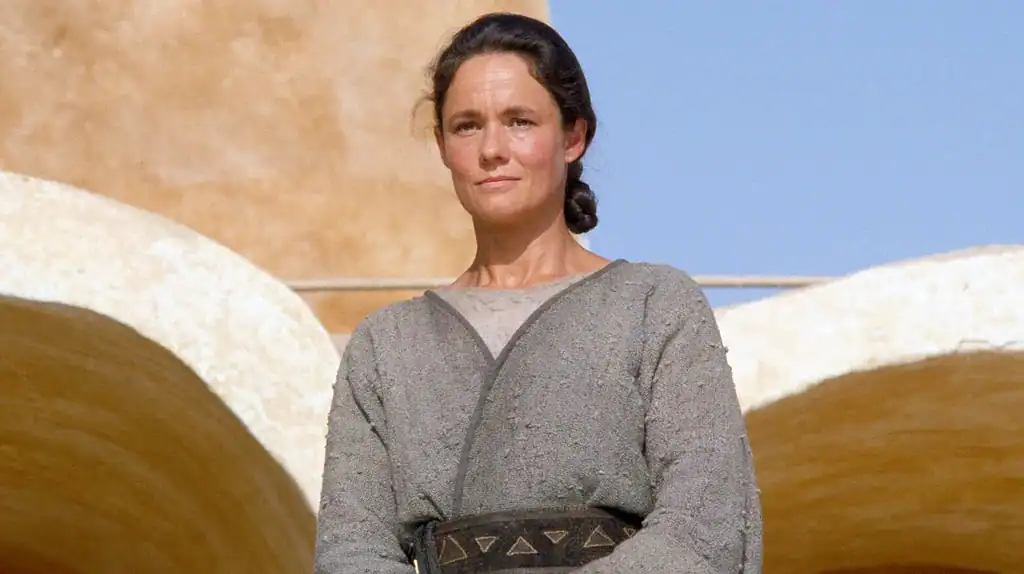
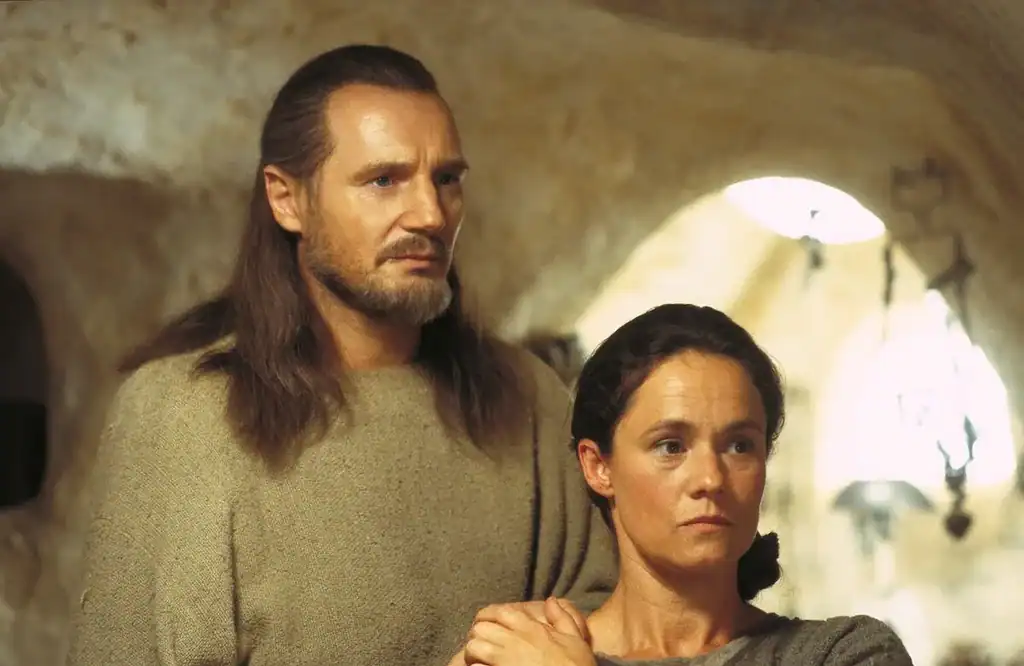
Shmi Skywalker occupies one of the most difficult roles in Star Wars. A human slave from Tatooine, first appearing in The Phantom Menace, she has no affiliation beyond survival and no weapon beyond compassion. Her influence is entirely personal, shaping Anakin Skywalker long before the Jedi or the Sith ever reach him.
What makes Shmi effective is restraint. She raises her son under absolute oppression without hardening him, instilling empathy in a galaxy that later punishes it. Her scenes are small, but their consequences echo across the entire franchise. Anakin’s fear of loss, his attachment, and ultimately his fall all trace back to her absence rather than her presence.
Her limitation is narrative agency. Shmi exists as emotional architecture, not an active participant in galactic events. She never shapes outcomes directly, and her death serves another character’s arc more than her own. That foundational importance earns her inclusion, but her passive role keeps her at the bottom of this ranking.
19. Rose Tico
A Resistance idealist whose thematic intent outpaces her narrative execution.


Rose Tico is introduced in The Last Jedi as a human Resistance mechanic motivated by personal loss rather than destiny. Her affiliation is explicitly working-class, and her defining relationship is with her sister Paige, whose death frames Rose’s moral worldview.
Conceptually, Rose expands the scope of who gets to matter in Star Wars. She challenges the franchise’s obsession with bloodlines and reframes heroism as commitment to people rather than causes. Her perspective brings emotional contrast to Finn’s arc and briefly grounds the sequel trilogy in lived consequence.
The problem is follow-through. Rose is sidelined in later storytelling, denied the complexity required to sustain her initial promise. Her ideology is stated more than tested, and her agency diminishes as the trilogy progresses. She ranks here not because the idea fails, but because the execution never fully commits.
18. Seventh Sister
A precise Imperial hunter designed to intimidate.
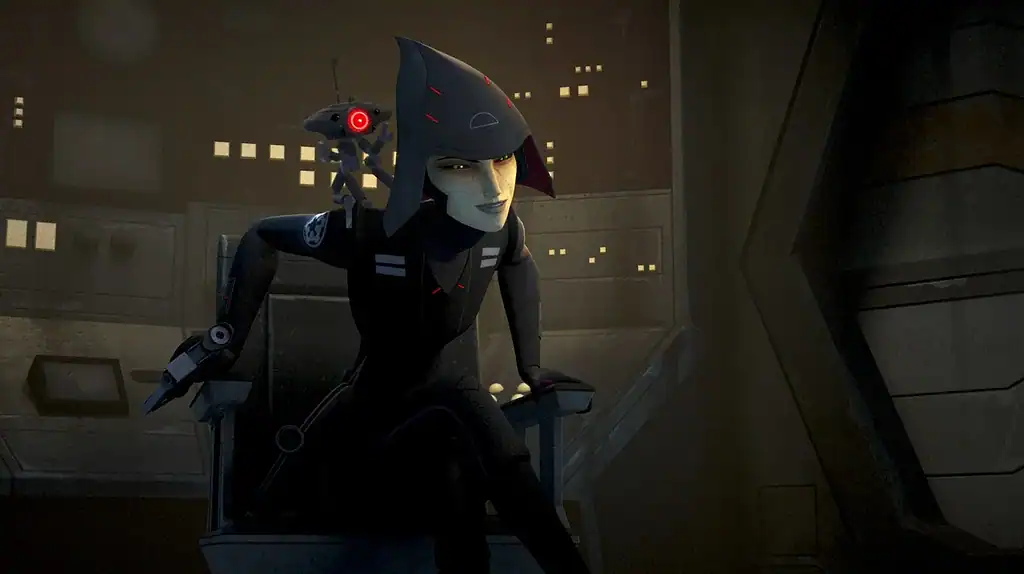
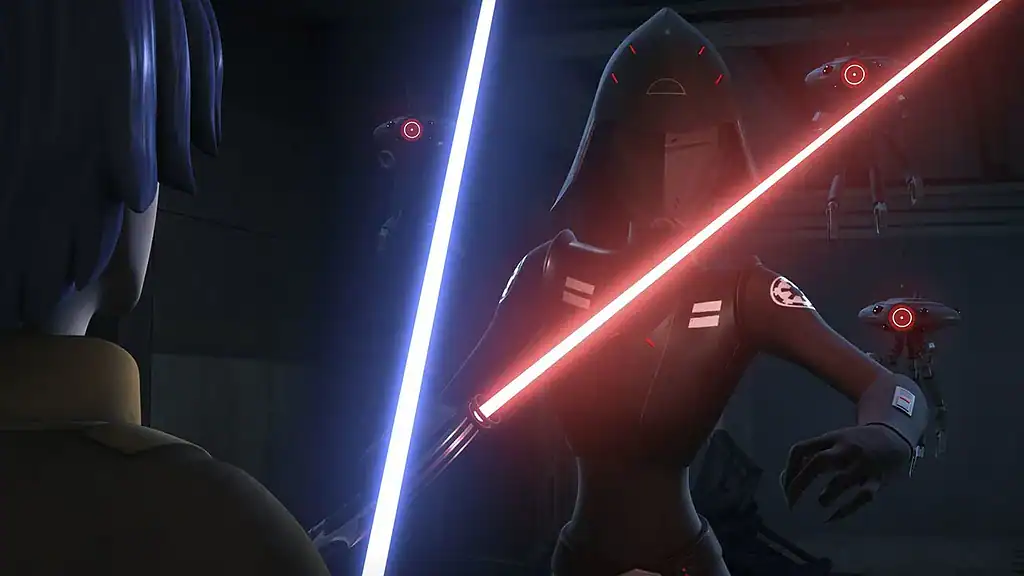
The Seventh Sister represents the Inquisitorius at its most efficient. A Mirialan former Jedi turned Imperial operative, she first appears in Star Wars Rebels as part of the Empire’s systematic purge of surviving Force-sensitives. She wields a double-bladed spinning lightsaber and deploys probe droids that track targets with unsettling precision.
As an antagonist, she functions cleanly. Her combat style blends elegance with intimidation, and her presence reinforces the Empire’s industrialised cruelty. Unlike Sith Lords driven by ideology or ego, the Seventh Sister operates as a tool. That emotional distance suits her role within Rebels’ episodic structure and keeps the stakes immediate.
Her ceiling is depth. She lacks a meaningful interior life, backstory, or moral tension, and her death at the hands of Darth Maul primarily serves to elevate him rather than conclude her own arc.
17. Sabine Wren
A Mandalorian prodigy whose identity conflict defines her more than her combat ability.
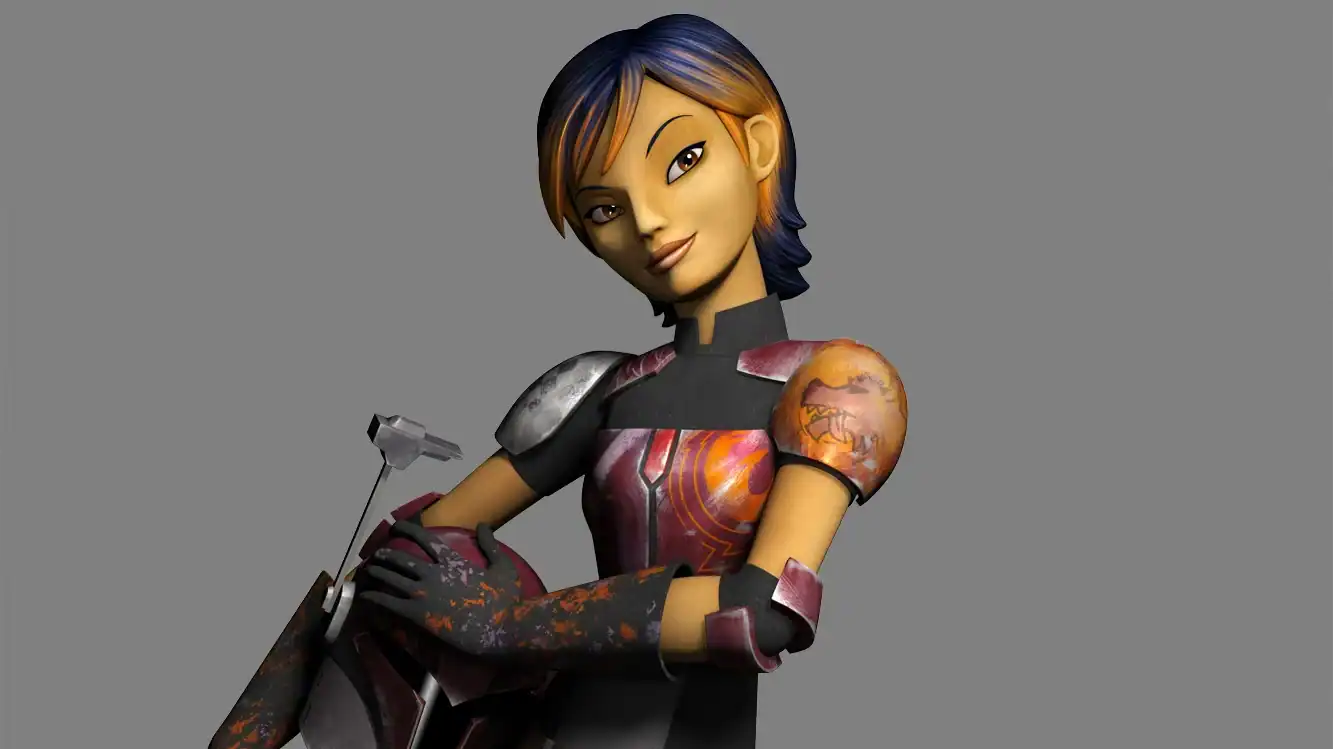
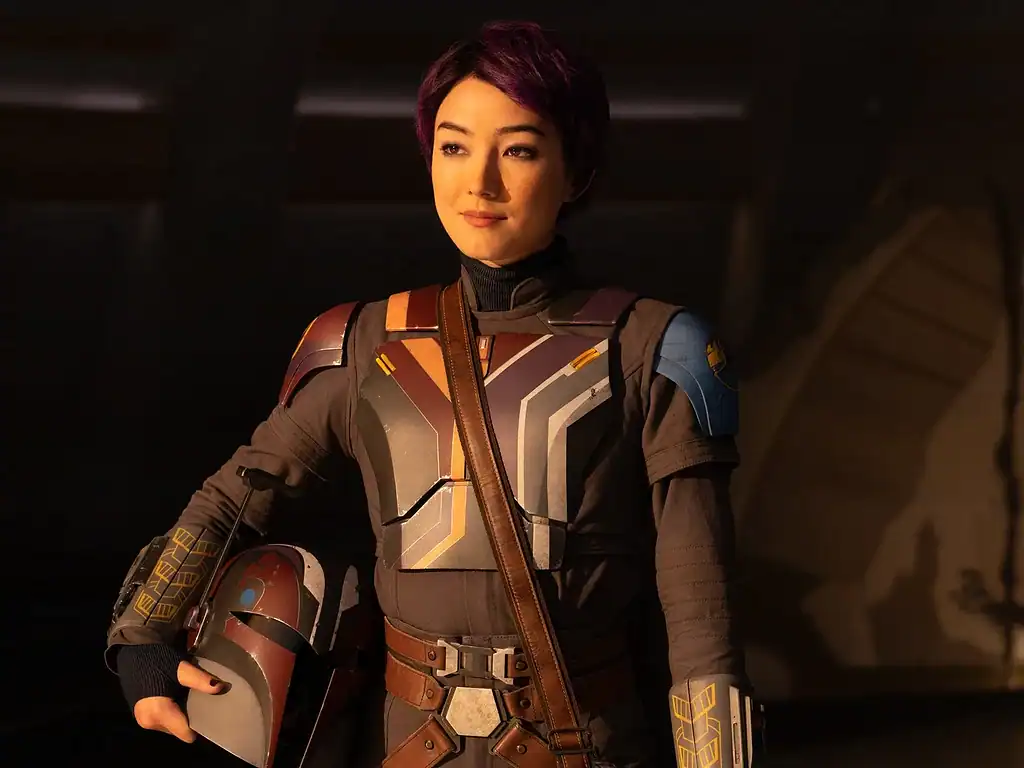
Sabine Wren enters Star Wars Rebels as a human Mandalorian from Clan Wren, shaped by Imperial occupation and personal guilt.
First appearing in Rebels, she is a demolitions expert, artist, and eventual wielder of the Darksaber, operating at the intersection of Mandalorian culture and Rebel resistance. Her affiliations shift as her understanding of responsibility matures.
Sabine’s strength lies in contradiction. She is fiercely capable but emotionally unresolved, confident in action yet uncertain in belonging. Her relationships with Ezra Bridger and Ahsoka Tano push her toward accountability rather than heroics, and her Mandalorian heritage gives her a cultural weight few Rebels-era characters possess. Fans respond to her because she feels unfinished in a deliberate way.
That incompleteness is also her constraint. Sabine’s arc stretches across animation and live action without fully crystallising into a defining moment of leadership or sacrifice. She remains in transition longer than most characters at this rank.
16. Hera Syndulla
A steady Rebel commander whose authority comes from trust rather than spectacle.
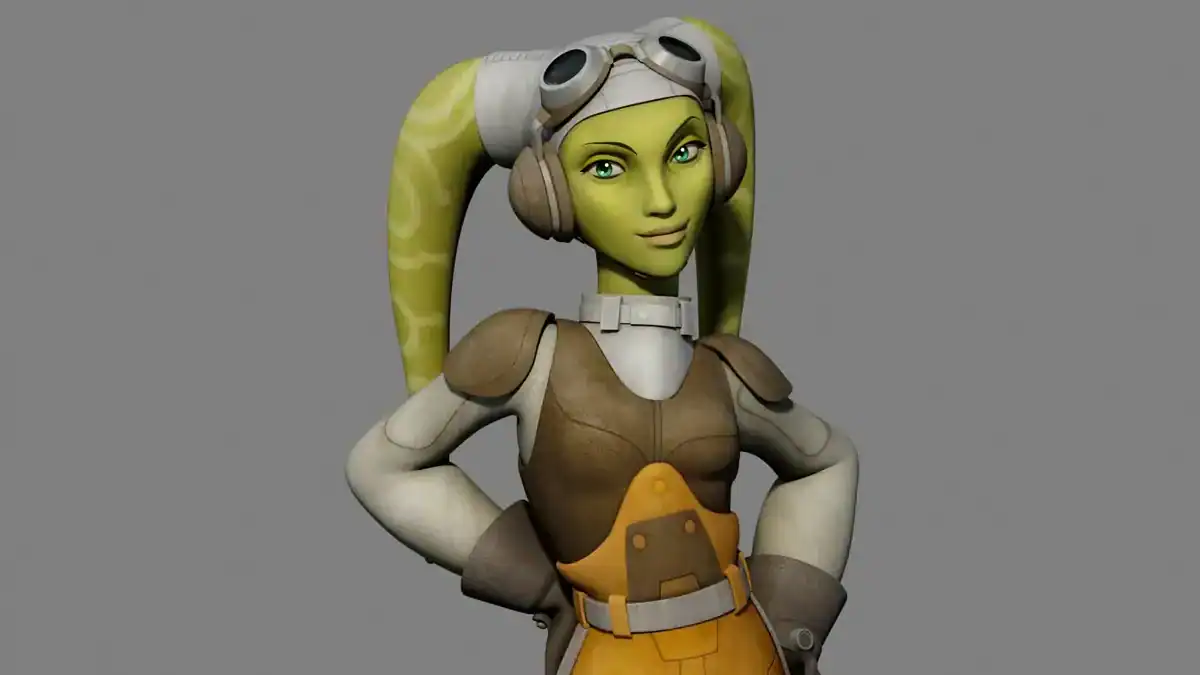
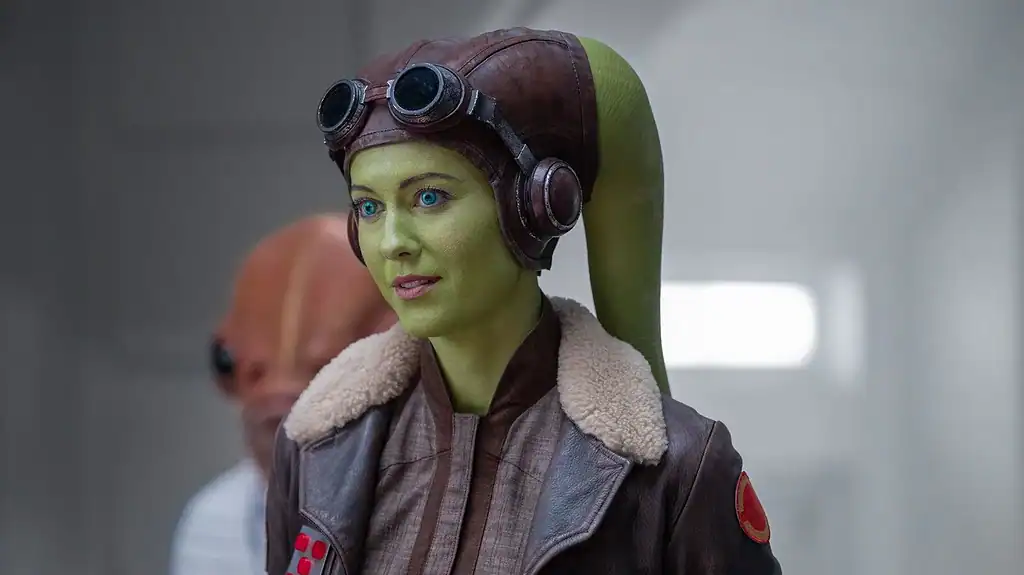
Hera Syndulla is the operational backbone of the Ghost crew. A Twi’lek pilot from Ryloth, first appearing in Star Wars Rebels, Hera operates as both squadron leader and moral anchor.
Her affiliations with the Rebel Alliance and New Republic are defined by service, and her primary weapon is air superiority rather than ideology.
What makes Hera effective is consistency. She commands through competence, balancing empathy with decisiveness, and rarely allows personal emotion to compromise mission success. Her dynamic with Kanan Jarrus grounds her leadership in lived consequence, while her mentorship of younger Rebels establishes her as a stabilising force across chaotic circumstances.
Her limitation is visibility. Hera’s influence is crucial but often indirect, and she rarely drives galaxy-altering decisions on her own. She excels within a team framework rather than redefining it. That reliability earns respect, but it keeps her from the upper tier reserved for characters who reshape the narrative around themselves.
15. Bo-Katan Kryze
A hardened Mandalorian warrior defined by failure, persistence, and unresolved leadership.

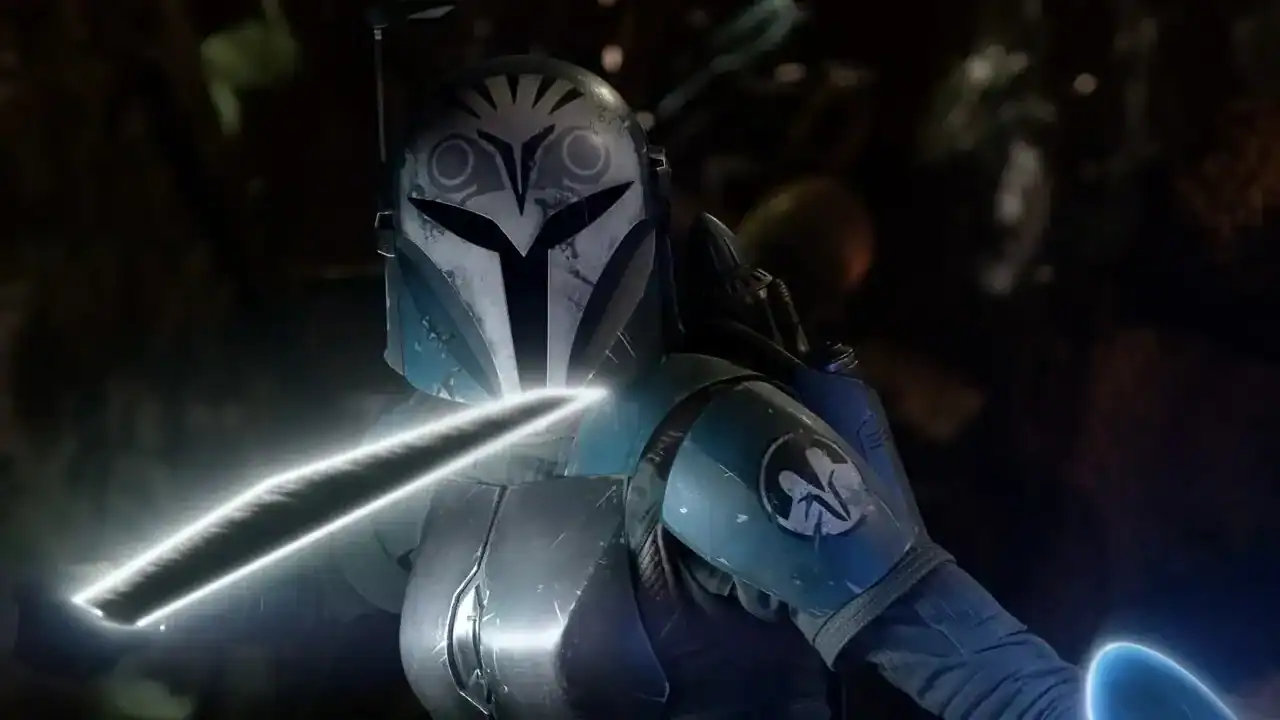
Bo-Katan Kryze represents Mandalorian identity in permanent conflict. A human warrior from Mandalore, first appearing in The Clone Wars, she is shaped by civil war, Imperial occupation, and repeated loss of authority.
Her affiliations span Death Watch, the Nite Owls, and shifting Mandalorian factions, with the Darksaber serving as both symbol and burden.
Bo-Katan’s appeal comes from imperfection. She wants leadership but repeatedly earns it too late or loses it through miscalculation. Her combat skill is unquestionable, but her defining trait is persistence rather than dominance. The transition from animation to live action reinforces her as a survivor of her own mistakes, not a mythic saviour.
Her ceiling is resolution. Bo-Katan’s story circles leadership without conclusively redefining it, leaving her suspended between ruler and soldier. She embodies Mandalore’s fractures rather than healing them.
14. Asajj Ventress
A fallen acolyte whose shifting allegiances expose the cost of being used by power.
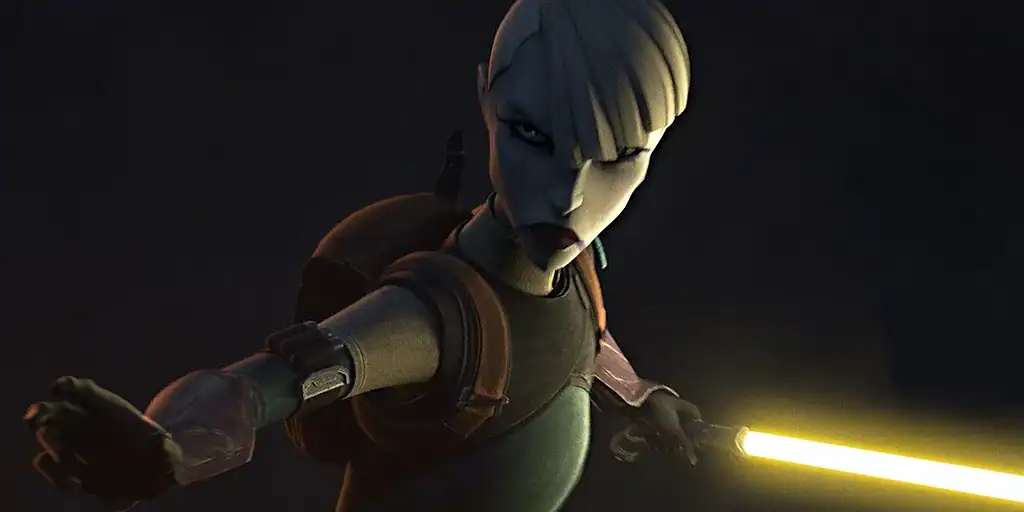
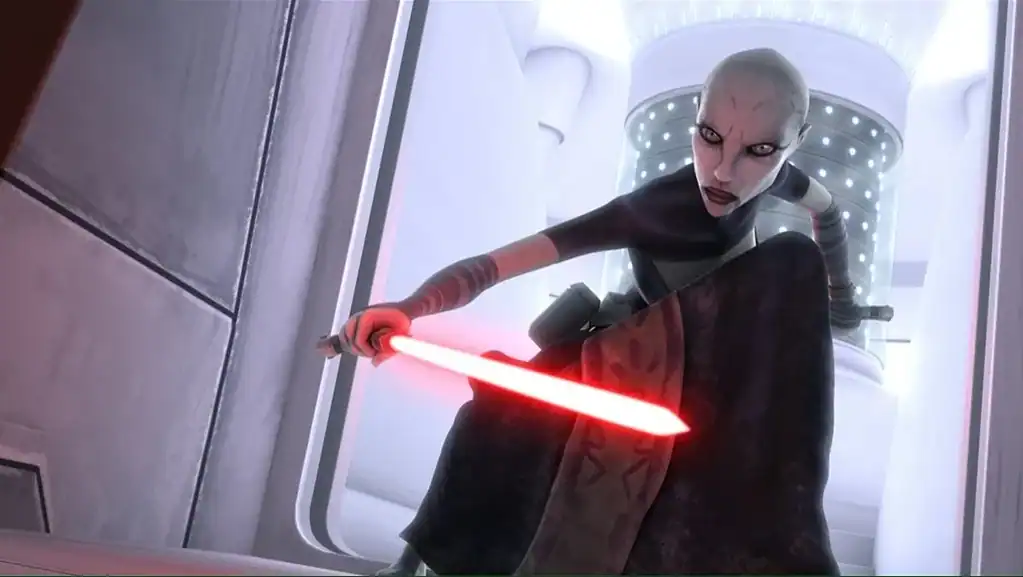
Asajj Ventress enters Star Wars as a weapon before she becomes a person. A Dathomirian Force-sensitive first introduced in The Clone Wars, she is trained by Count Dooku as a Sith assassin and armed with twin curved lightsabers designed for speed and aggression. Her early function is simple: destabilise the Jedi.
What elevates Ventress is what happens when that function collapses. Betrayed by Dooku and discarded by the Sith, she’s forced into self-definition for the first time. Her subsequent journey as a bounty hunter and occasional ally reframes her as someone shaped by repeated abandonment rather than ideology. Her interactions with Obi-Wan Kenobi and Quinlan Vos give her emotional range that most secondary antagonists never receive.
Her limitation is visibility. Ventress’ most complete arc resolves outside mainstream film and TV canon, reducing her cultural footprint compared to characters with similar depth. She earns her place through complexity and earned redemption, but her impact remains compartmentalised. Ventress is one of Star Wars’ best rehabilitated villains, not one of its defining figures.
13. Jyn Erso
A Force-neutral rebel operative whose importance comes from resolve rather than destiny.
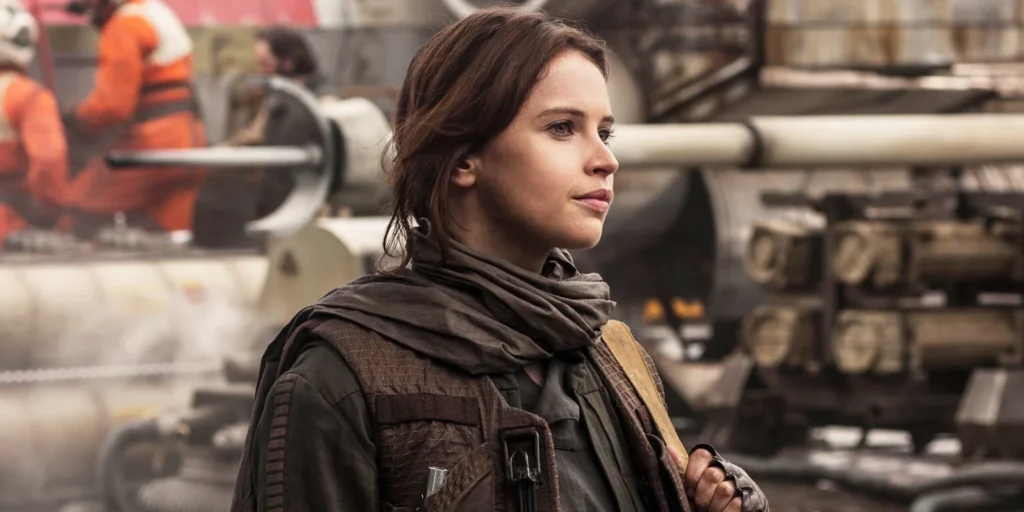
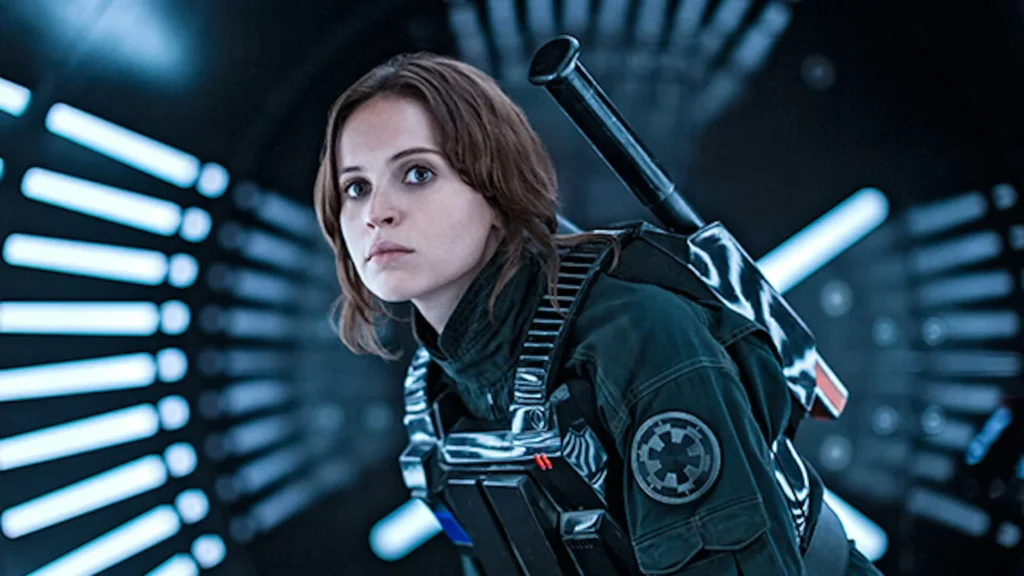
Jyn Erso is Star Wars at its most grounded. A human from Vallt, first appearing in Rogue One: A Star Wars Story, she enters the saga without prophecy, training, or mythic framing. Her affiliations are unstable by design, shaped by abandonment and survival rather than belief. She carries a blaster, but her real leverage is refusal to disengage when others retreat.
Jyn’s effectiveness lies in commitment. On Scarif, she becomes the emotional anchor of a mission defined by inevitability, interacting with Cassian Andor not as a romantic counterpart but as a moral equal. Her heroism is functional rather than inspirational, grounded in action rather than rhetoric. That restraint gives her a credibility many larger-than-life protagonists lack.
Her ceiling is finality. Jyn’s arc is complete by design, and her death closes off long-term influence within the wider lore. She cannot evolve across eras or be reinterpreted through new storytelling lenses. That constraint keeps her from climbing higher, but it doesn’t diminish her purpose.
12. Padmé Amidala
A political strategist whose influence outstrips her screen-time reputation.


Padmé Amidala is often misread as passive when she is anything but. A human from Naboo, first appearing in The Phantom Menace, Padmé begins as a teenage queen and transitions into a senator navigating institutional decay.
Her primary affiliations are governmental, and her weapons are diplomacy, alliances, and when required, a blaster held without hesitation.
Padmé’s true importance emerges in hindsight. She is one of the earliest architects of organised resistance to Palpatine, consistently challenging executive overreach long before the Jedi recognise the threat. Expanded material and The Clone Wars restore agency that the films compress, reframing her as a political operator whose loss creates a vacuum later filled by figures like Mon Mothma.
Her limitation is narrative compression. The prequel films prioritise Anakin’s descent at the expense of Padmé’s interior life, muting her influence at the moment it matters most. She ranks here because her contribution is foundational but under-expressed. Padmé shapes the rebellion’s values, even if she never sees it born.
11. Kleya Marki
A covert rebel organiser whose power comes from control rather than visibility.
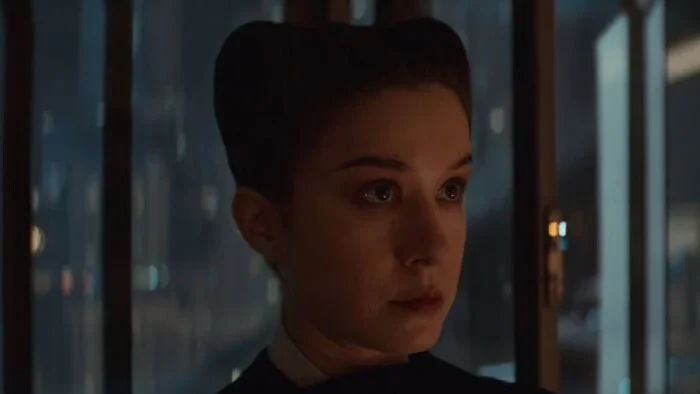
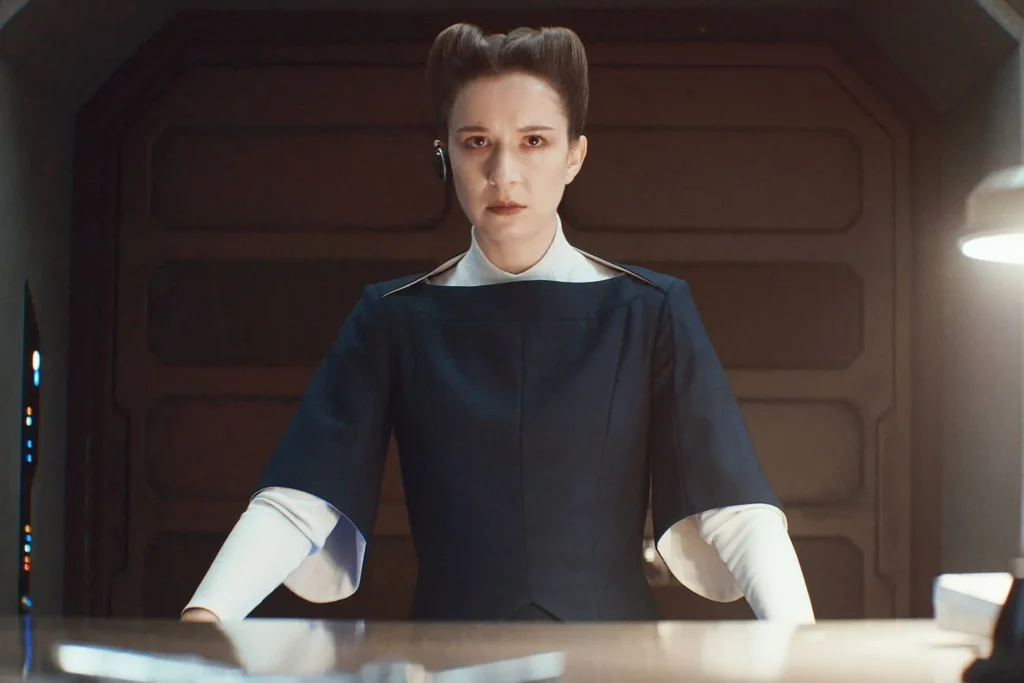
Kleya Marki operates in the negative space of rebellion. A human rebel operative introduced in Andor, she functions as Luthen Rael’s chief enforcer, logistics controller, and ideological gatekeeper. Her affiliations are deliberately obscured, and her tools are secrecy, compartmentalisation, and emotional distance rather than weapons.
Kleya’s effectiveness lies in discipline. She understands that rebellion survives through restraint, not sentiment, and she consistently pushes back against hesitation from those who still believe in moral clarity.
Her interactions with Luthen expose a power dynamic built on trust and threat in equal measure. Fans have responded to her because she feels structurally necessary rather than theatrically impressive.
Her limitation is scope. Kleya’s influence is immense within a closed network but invisible beyond it. She shapes outcomes indirectly and remains tethered to another character’s operation. Until she steps into a role that affects the wider galaxy in her own right, she remains just outside the top tier. Kleya Marki is essential infrastructure, not a figurehead.
10. Dedra Meero
A Menacing Imperial antagonist.
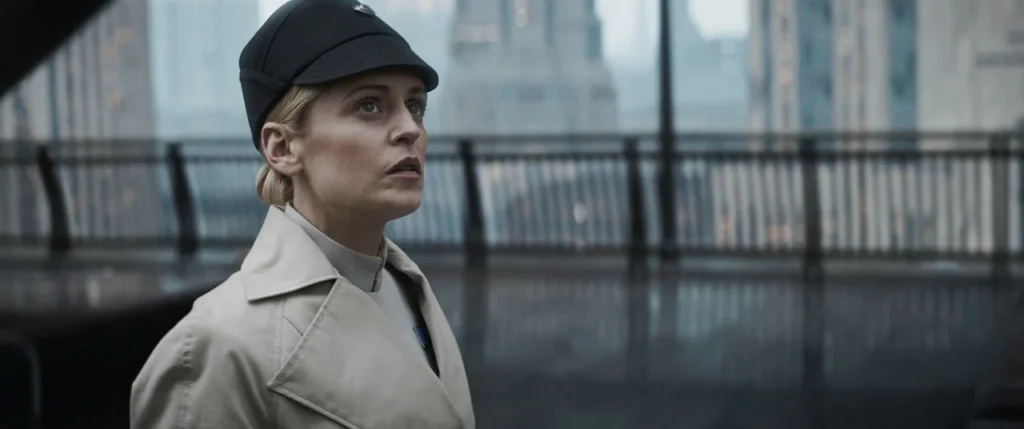

Dedra Meero is one of the most unsettling Imperial figures Star Wars has produced. A human officer in the Imperial Security Bureau, first appearing in Andor, Dedra operates without Force sensitivity or symbolic authority. Her power is derived from systems, data, and an unrelenting belief in her own analytical superiority.
What distinguishes Dedra is accuracy. She reads insurgency patterns others dismiss, escalates methodically, and treats rebellion as a solvable operational problem. Her interrogation of Bix is effective because it is impersonal. Violence is applied as policy, not passion. That realism reframes the Empire as an administrative machine rather than a collection of villains.
Her constraint is reach. Dedra terrifies at a sector level, not a galactic one. She tightens control but does not define ideology or direction. Unlike Palpatine or Vader, she cannot bend history. She can only accelerate its worst tendencies. That makes her one of Star Wars’ strongest modern antagonists, but not one of its central architects.
9. Aayla Secura
A disciplined Jedi whose consistency reinforces the Order rather than challenging it.

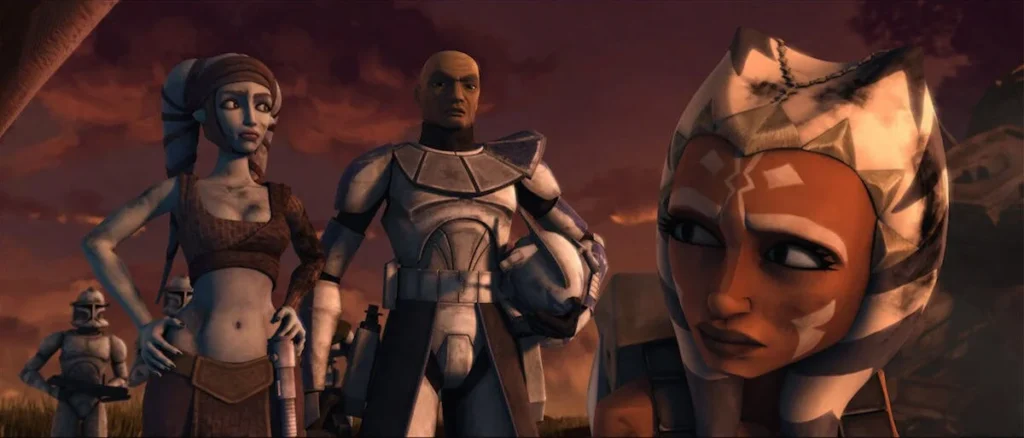
Aayla Secura represents the Jedi Order functioning as intended. A Twi’lek Jedi Knight from Ryloth, first appearing in Attack of the Clones, she serves as a field commander during the Clone Wars and wields a blue lightsaber with technical precision. Her mentorship under Quinlan Vos grounds her approach in balance rather than extremity.
Aayla’s strength is reliability. Across film and animation, she is calm under pressure, tactically sound, and emotionally controlled. Her presence reinforces the Jedi as protectors rather than mystics, and her leadership of clone forces reflects mutual respect rather than blind authority. She is effective without needing narrative focus.
Her limitation is disruption. Aayla does not question the system she serves, nor does she meaningfully alter its direction. Her death during Order 66 carries weight, but not consequence. She embodies what the Jedi were, not what they could have become. That clarity secures her place here, but no higher.
8. Bastila Shan
A High Republic-era benchmark whose legacy still outpaces much of modern canon.

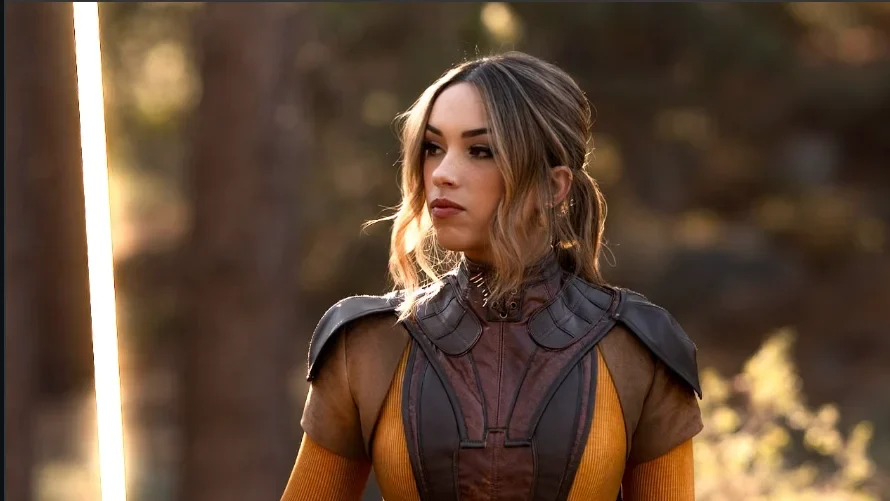
Bastila Shan remains one of the most fully realised Jedi ever written. A human Jedi from Talravin, first appearing in Knights of the Old Republic, she rises quickly within the Old Republic due to her mastery of Battle Meditation. Her affiliation with the Jedi Council positions her as both an asset and a liability, valued for her power but constrained by expectation.
What distinguishes Bastila is internal pressure. She is powerful, aware of it, and quietly resentful of how that power isolates her. Her relationship with Revan forces her to confront the gap between Jedi doctrine and emotional truth, and her fall is rooted in frustration rather than corruption. That specificity gives her arc clarity and consequence, even decades after her debut.
Her limitation is accessibility. Bastila’s influence is confined to games and Legends material, which limits exposure for newer audiences. She ranks highly because her character construction remains exemplary, but without a modern reintroduction, her cultural footprint cannot match figures who continue to evolve on screen.
7. Rey Skywalker
A Force-sensitive protagonist whose thematic intent outpaces her narrative cohesion.

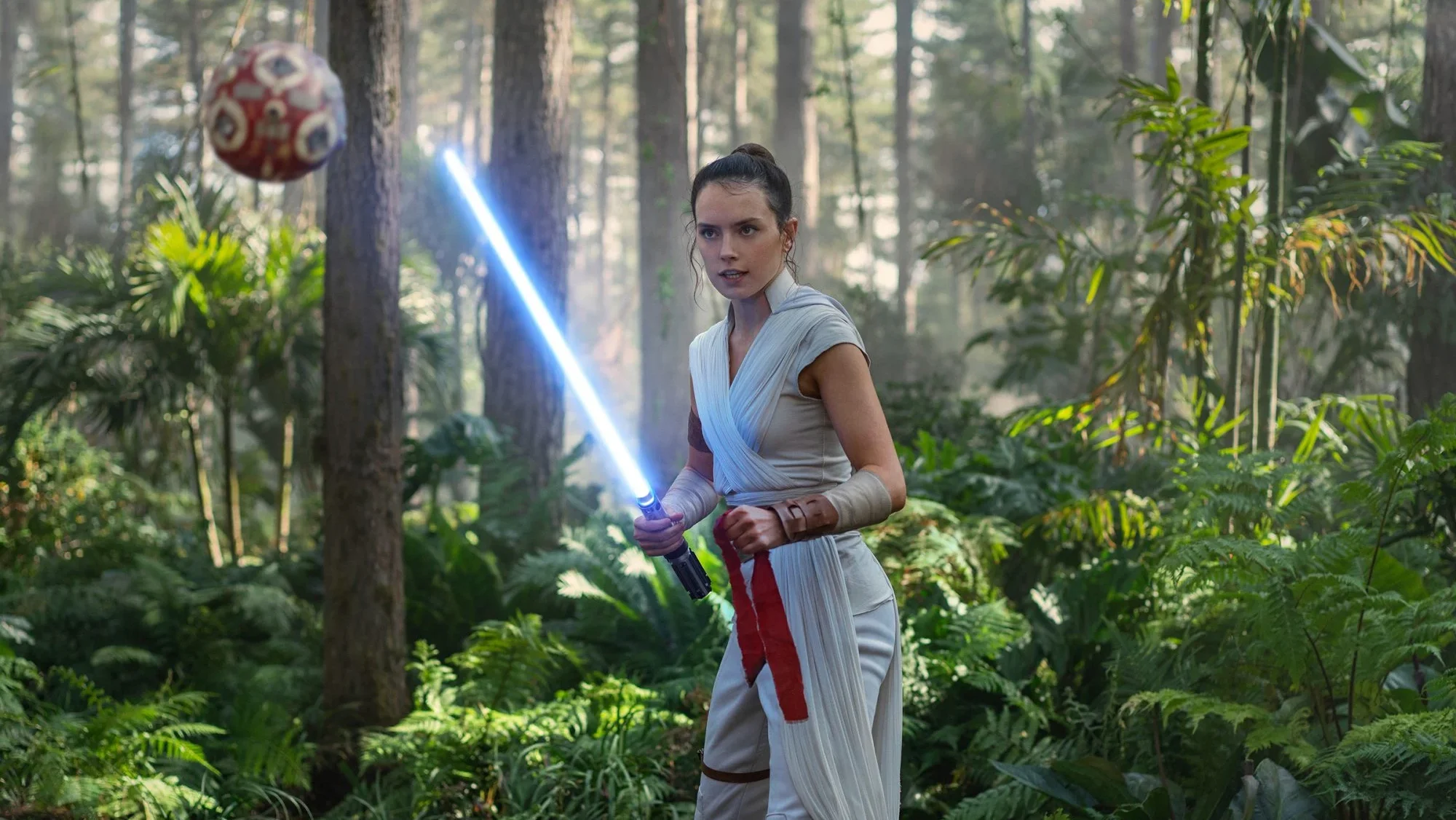
Rey enters Star Wars as a scavenger from Jakku, first appearing in The Force Awakens with no formal training, no affiliation, and no context for her abilities. Her early reliance on instinct and adaptability sets her apart from lineage-driven heroes, and her mentors, Luke Skywalker and Leia Organa, frame her development through absence as much as instruction.
Rey’s strength lies in concept. She represents self-definition in a saga built on inheritance, and her struggle with identity resonates with audiences navigating fractured legacy storytelling. Her interactions with Kylo Ren are built on mirrored loneliness rather than ideological opposition, giving their conflict emotional grounding.
Unfortunately Rey’s arc shifts direction across films, diluting cause and effect in her development.
Her power feels asserted rather than earned, not because of ability, but because progression lacks friction. She ranks here because she carries the weight of a trilogy, but the execution never fully settles on who she is allowed to become.
6. Mara Jade
A reprogrammed Imperial asset whose transformation remains one of Star Wars’ strongest long-form arcs.
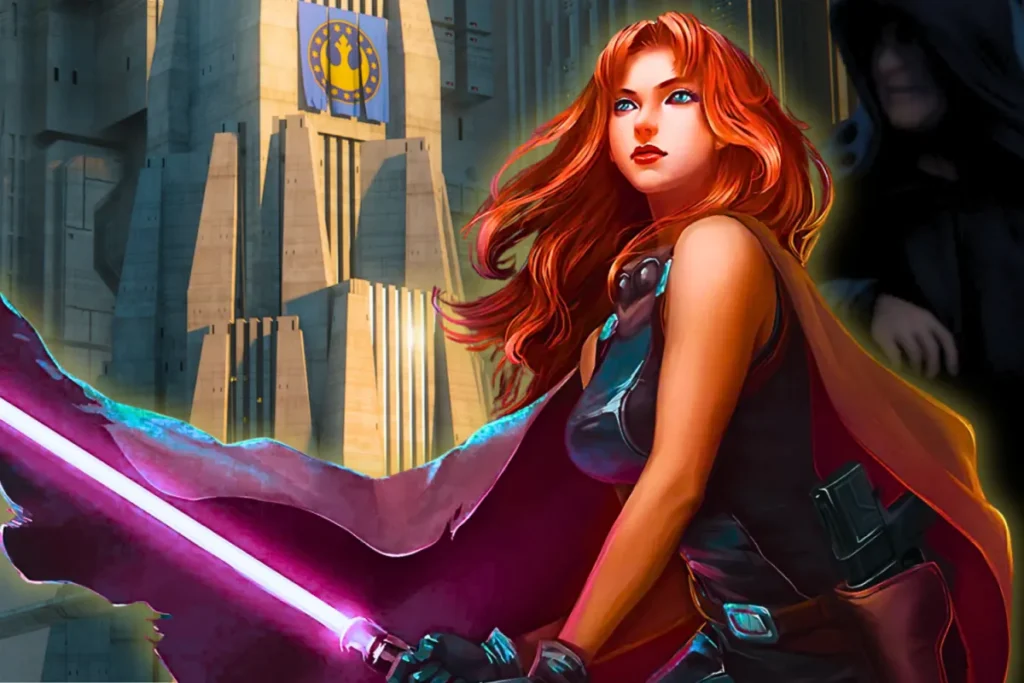

Mara Jade begins as a weapon with a conscience she does not yet recognise. A human Force-sensitive introduced in Heir to the Empire, she serves Palpatine as the Emperor’s Hand, executing covert operations with precision and belief. Her early affiliation with the Empire is personal rather than ideological, rooted in loyalty conditioned through manipulation.
What elevates Mara is evolution. Her eventual alignment with Luke Skywalker forces her to confront both indoctrination and agency, and her transition into a Jedi is defined by resistance rather than acceptance. She questions authority even as she joins it, bringing friction into a post-Empire Jedi Order that desperately needs it.
Mara’s absence from modern storytelling prevents her arc from influencing the current franchise direction. She ranks this high because her character work remains rigorous and complete, but without reintroduction, her relevance exists in memory rather than momentum.
5. Duchess Satine Kryze
A pacifist ruler whose ideals collide fatally with the realities of power.
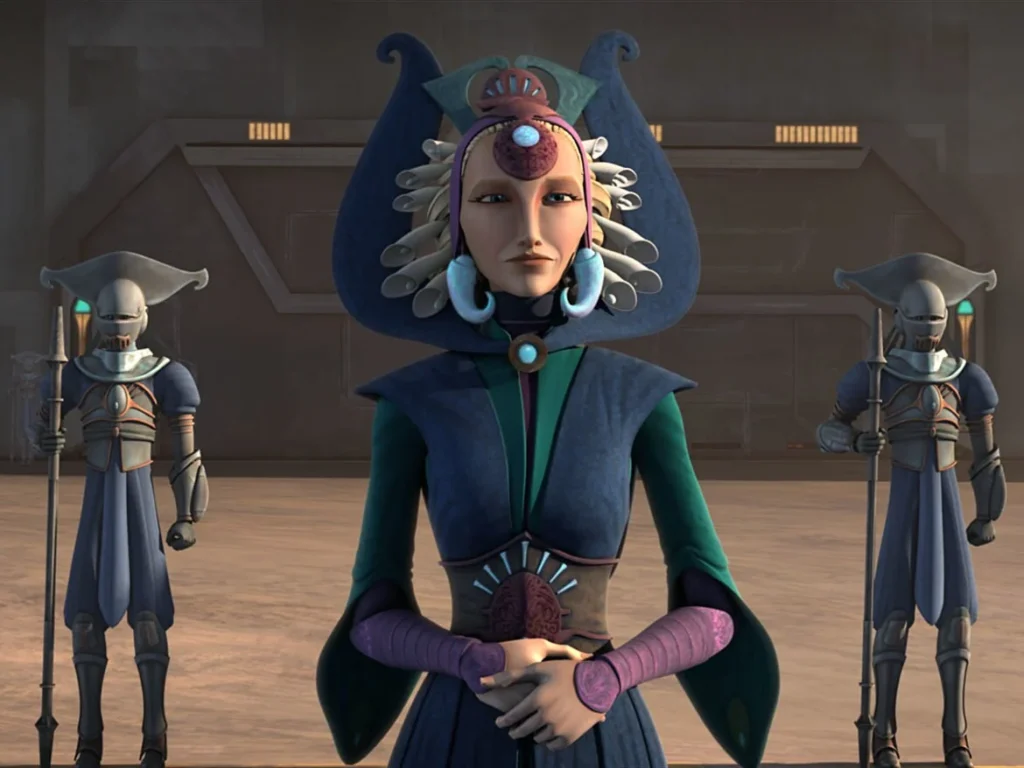
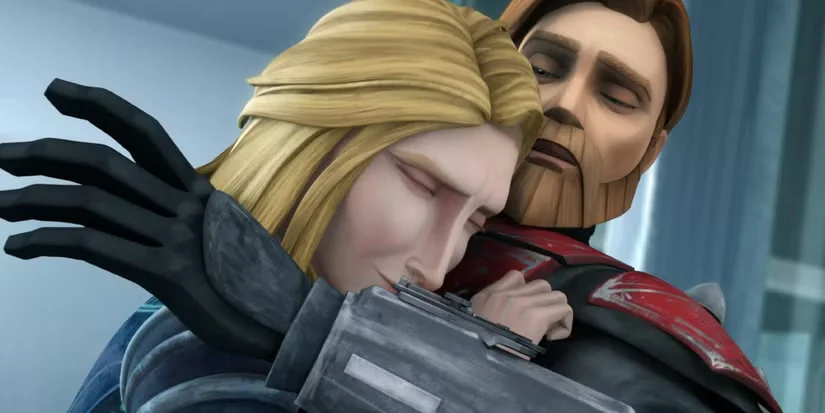
Satine Kryze represents one of Star Wars’ most fragile leadership experiments. A human from Mandalore, first appearing in The Clone Wars, she rules as Duchess during a period of galactic militarisation while committing her world to strict pacifism. Her affiliations are civic rather than martial, and her authority rests on legitimacy, diplomacy, and public trust rather than force.
What elevates Satine is conviction under pressure. She maintains her stance in the face of internal extremism, external manipulation, and constant provocation from both the Republic and separatist-aligned factions. Her relationship with Obi-Wan Kenobi reveals the personal cost of leadership choices that prioritise stability over attachment. Satine believes restraint is strength, even when it isolates her.
Her limitation is adaptability. Satine’s refusal to compromise, even strategically, leaves Mandalore vulnerable to forces willing to exploit idealism. Her death at the hands of Darth Maul is not a moral failure, but it is a political one. She ranks this high because her leadership is coherent and principled, yet ultimately unsustainable in a galaxy that rewards aggression. Satine Kryze matters because she shows what happens when ethics are correct but insufficient.
4. Mon Mothma
A stateswoman whose sacrifice exposes the personal cost of organised rebellion.
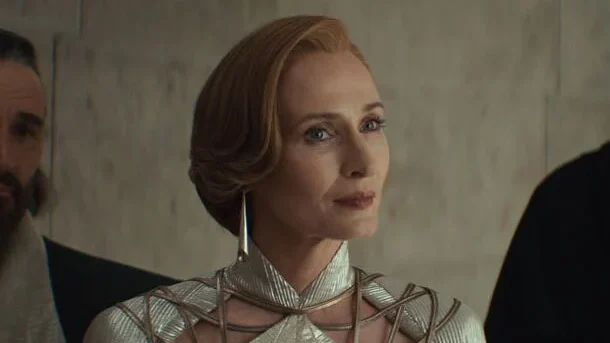
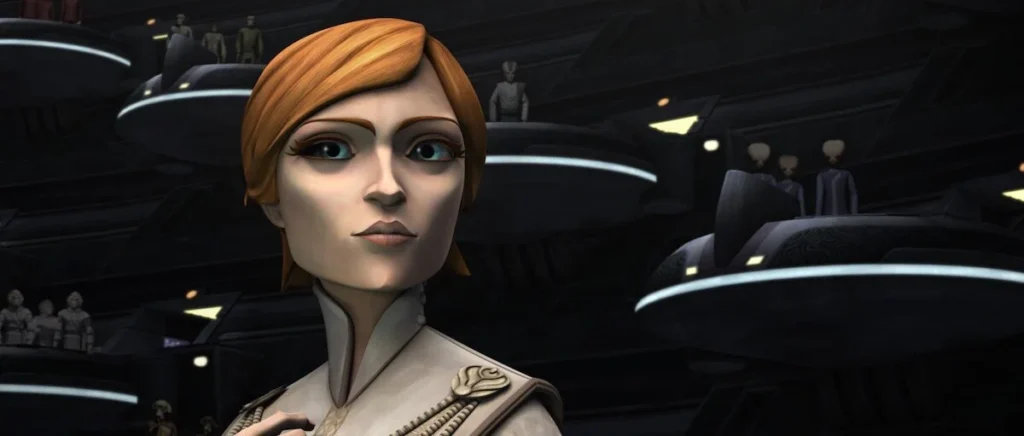
Mon Mothma operates where Star Wars rarely lingers. A Chandrilan senator first appearing in Return of the Jedi, she exists almost entirely within systems of governance and compromise. Her affiliations with the Galactic Senate and the Rebel Alliance are strategic, and her influence is exerted through negotiation, finance, and calculated risk rather than force.
What elevates Mon Mothma in the modern era is specificity. Andor reframes her not as a symbol, but as a participant in moral erosion, trading personal safety and family stability to sustain rebellion infrastructure. Her decisions carry consequences that are neither heroic nor clean, grounding her authority in sacrifice rather than myth.
Her constraint is distance. Mon Mothma shapes movements rather than moments, and her impact is often felt off-screen or in retrospect. She does not command emotional immediacy in the way frontline figures do. She ranks this high because she defines what rebellion actually costs, even if she rarely stands in its aftermath.
3. Satele Shan
A Jedi leader who balances institutional authority with personal restraint.


Satele Shan represents Jedi leadership at its most functional. A human Force-sensitive from the Old Republic era, she first appears in Star Wars: The Old Republic as a Jedi Master navigating prolonged war and ideological fracture. Her affiliations with the Jedi Council place her at the centre of institutional decision-making rather than individual heroics.
Satele’s strength lies in composure. She is powerful without spectacle, decisive without dominance, and willing to absorb criticism without retreating into dogma. Her mentorship of multiple Jedi reinforces a leadership model based on trust rather than reverence. Fans respond to her because she demonstrates what the Order might have been if adaptability had replaced rigidity.
Her limitation is era isolation. Satele’s influence is vast within her timeframe but disconnected from the core film saga. She ranks this high because her character design resolves many of the Jedi Order’s long-standing flaws, even if her story exists parallel to the franchise’s most visible conflicts.
2. Ahsoka Tano
A Force-sensitive whose authority comes from experience.
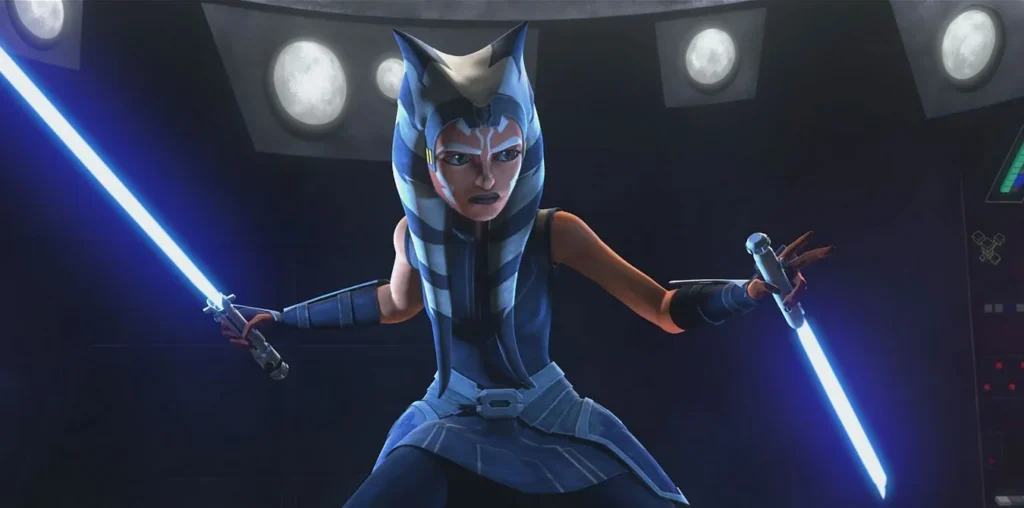
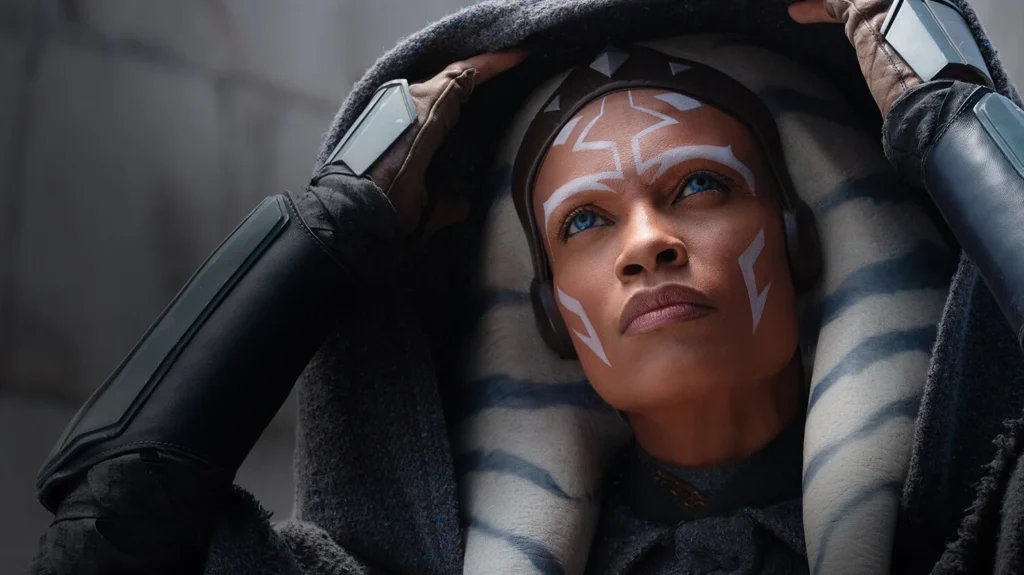
Ahsoka Tano is defined by departure. A Togruta from Shili, first appearing in The Clone Wars, she begins as Anakin Skywalker’s Padawan and exits the Jedi Order before its collapse. Her affiliations remain fluid, operating alongside the Rebellion without accepting its labels. Her twin white lightsabers signal separation rather than allegiance.
What elevates Ahsoka is continuity. Her development unfolds across animation and live action with rare consistency, allowing consequences to accumulate. She carries the weight of institutional failure without seeking to correct it from within, choosing autonomy over authority. Her interactions with Anakin, Vader, and later figures like Sabine Wren reinforce her role as witness rather than redeemer.
Ahsoka refuses leadership at the scale her experience could support, remaining adjacent to events rather than directing them. That distance preserves her integrity but limits her structural impact. She ranks second because she represents the most complete personal arc in the franchise, even if she declines its centre.
1. Leia Organa
A political leader whose authority predates and outlasts the Force.

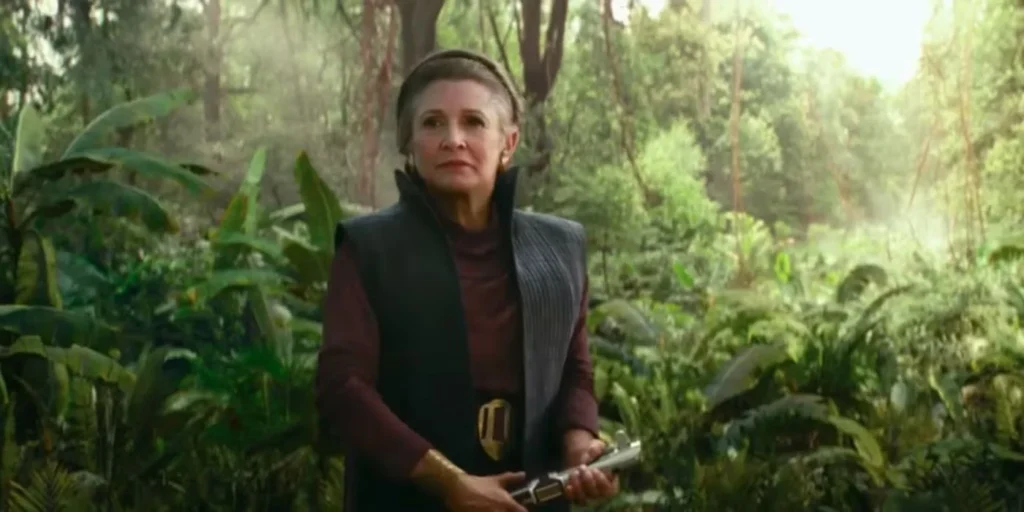
Leia Organa is present at every point where the galaxy turns. A human from Alderaan, first appearing in A New Hope, she enters the story as a senator already engaged in rebellion. Her affiliations with the Rebel Alliance and later the Resistance are built on legitimacy earned through action. She commands without symbolism and endures without spectacle.
What places Leia above every other character is range. She operates as strategist, organiser, combatant, and moral anchor without ceding authority to myth. Her later Jedi training under Luke Skywalker adds context to her sensitivity to the Force, but it never redefines her. Power is something she uses, not something she becomes.
Her limitation is narrative transformation. Leia does not undergo radical reinvention because she does not need to. The galaxy moves around her rather than through her. That constancy is the point. Leia Organa ranks first because she is not shaped by Star Wars. She shapes it.

George Patient
George is the founder and editor of Merch Mates, writing about film, TV, gaming and the Disney parks.
You might also like

Star Wars Chopper Kill Count: How Deadly Is This Droid?

The 15 Most Powerful Non-Force Users in Star Wars, Ranked

Star Wars: The Mandalorian and Grogu review
Star Wars: Maul – Shadow Lord season 1 review
Star Wars Imperial Ranks, Explained

Etaan Crystals in Star Wars, Explained

16 Best Fictional Characters Beginning With O