Social media does more than merely reflect pop culture—it actively constructs it from conception to global phenomenon. Platforms like TikTok and Instagram now determine which films gain traction, which TV shows become water-cooler conversation, and which gaming communities thrive. This article explores how algorithms influence content creation, trend acceleration, and marketing strategies across entertainment sectors, revealing the mechanisms that shape your digital feeds and cultural consumption patterns.
Table of Contents
- How Social Media Algorithms Shape Pop Culture Content
- Accelerating Trends: Social Media’s Power In Film, TV And Gaming
- Comparing TikTok And Instagram’s Impact On Pop Culture Trends
- Balancing Algorithmic Influence With Authenticity And Diversity
- Explore Pop Culture Through Merch Mates
Key takeaways
| Point | Details |
|---|---|
| Algorithmic curation | Social media platforms use algorithms to prioritise engaging content, shaping which pop culture trends gain visibility and influence. |
| Viral acceleration | Platforms like TikTok rapidly amplify entertainment trends, with social media virality driving success for shows like Squid Game. |
| Platform differences | TikTok achieves 4x higher engagement than Instagram but Instagram Reels deliver superior conversion rates for marketing campaigns. |
| Creative tension | Algorithm-driven content risks homogenisation and diversity loss, requiring balance between trend optimisation and authentic expression. |
| Marketing evolution | Entertainment brands now allocate substantial budgets to social media campaigns, recognising platforms as primary drivers of audience engagement and cultural relevance. |
How social media algorithms shape pop culture content
Algorithms function as invisible gatekeepers, determining which pop culture content reaches your screen and which languishes in obscurity. These algorithmic systems prioritise engagement, favouring short-form videos, repeatable formats, and trend-aligned content over experimental or niche work. You might notice your feed filled with similar memes, dance challenges, or reaction videos—not by accident, but by design.
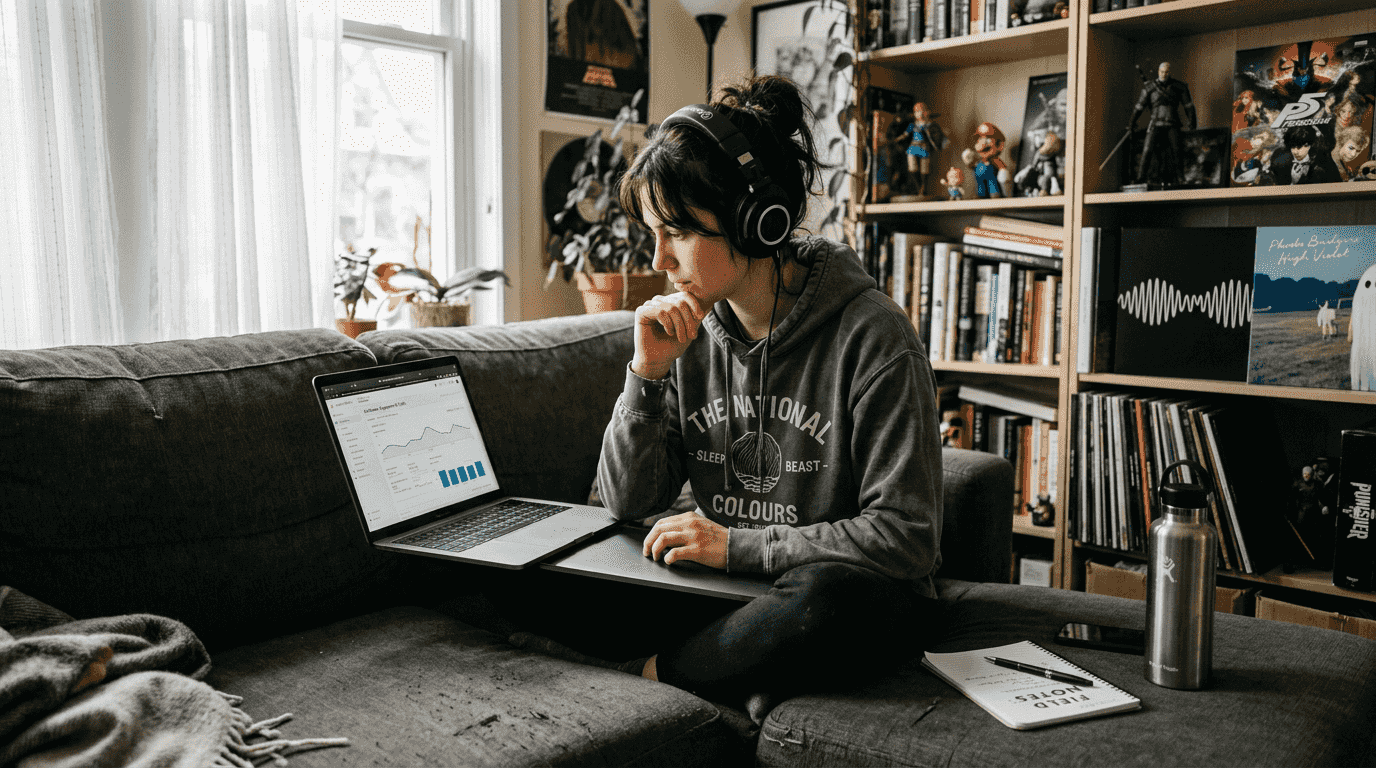
This prioritisation creates powerful incentives for creators. When algorithms reward specific content types, creators naturally adapt their output to match those preferences. A filmmaker sharing behind-the-scenes content learns that 15-second clips outperform thoughtful essays. A gaming streamer discovers that trending sound bites generate more reach than in-depth tutorials. The result? Content strategies increasingly mirror what algorithms favour rather than what creators might otherwise produce.
Pro Tip: Follow creators who explicitly resist algorithmic trends to maintain diverse cultural perspectives in your feed. Their content might not appear as frequently, but it offers valuable alternatives to homogenised trends.
The consequences extend beyond individual posts. Algorithms privilege certain formats at the expense of diversity, originality, and informational integrity. Experimental films struggle to find audiences when algorithms favour established franchises. Independent game developers compete against viral marketing campaigns from major studios. Documentary series receive less promotion than reality TV clips optimised for shareability.
These dynamics raise ethical questions. Who decides which voices get amplified? Why do certain cultural narratives dominate whilst others fade? How do algorithmic preferences influence creative decision-making across entertainment industries? Understanding these mechanisms helps you recognise the invisible forces shaping your cultural consumption.
For creators and fans alike, AI video editing tools now integrate algorithmic insights, suggesting edits optimised for platform performance. This feedback loop between creation and algorithmic preference intensifies the challenge of maintaining authentic artistic vision whilst achieving necessary visibility.
“Algorithms don’t just surface content—they actively shape what gets created in the first place by establishing implicit rules about what succeeds and what disappears.”
The entertainment landscape in 2026 reflects this reality. Major studios analyse trending formats before greenlighting projects. Streaming platforms adjust their commissioning strategies based on social media engagement predictions. Gaming companies design mechanics with shareability as a core consideration. Your favourite pop culture moments increasingly emerge from this algorithmic ecosystem.
Accelerating trends: social media’s power in film, TV and gaming
Social media transforms the timeline of cultural phenomena from months to mere days. A single viral post can elevate an obscure indie game to mainstream sensation overnight. A coordinated hashtag campaign launches a film from regional release to global conversation. This acceleration fundamentally changes how entertainment industries approach marketing, production, and audience engagement.
Consider the mechanics behind trend acceleration:
- Initial spark: A user posts content related to entertainment media, whether a fan theory, gameplay clip, or scene reaction
- Algorithmic amplification: Platforms detect early engagement signals and boost the content to similar audiences
- Network effects: As more users interact, the content reaches exponentially larger audiences through shares and algorithmic recommendations
- Media coverage: Entertainment outlets and influencers notice the trend, creating secondary content that further amplifies reach
- Industry response: Studios, networks, and publishers capitalise on momentum through official content, merchandise, or related announcements
The viral success of Squid Game exemplifies this acceleration. Social network analysis revealed that coordinated Twitter activity and influencer engagement created cascading awareness that transformed a Korean drama into a global cultural moment within weeks. Traditional marketing campaigns require months to achieve comparable penetration.
Pro Tip: Monitor trending hashtags in your favourite entertainment categories to discover emerging phenomena before they reach mainstream saturation. Early engagement with rising trends positions you as a cultural curator within your communities.
Marketing budgets reflect this shift. Entertainment brands now allocate 40-60% of promotional spending to social media campaigns, recognising that platform algorithms drive audience discovery more effectively than traditional advertising. Film studios coordinate TikTok challenges before premiere dates. Gaming publishers partner with streamers for launch-day coverage. TV networks create shareable clip packages optimised for Instagram Reels.
| Trend Type | Average Acceleration Timeline | Primary Platform | Engagement Driver |
|---|---|---|---|
| Film buzz | 3-7 days | TikTok | Reaction videos, memes |
| TV show momentum | 5-14 days | Twitter/X | Episode discussions, theories |
| Gaming hype | 1-5 days | Twitch/YouTube | Gameplay clips, streamer coverage |
| Music virality | 2-10 days | TikTok | Sound usage, dance challenges |
This acceleration creates both opportunities and pressures. Creators gain unprecedented access to global audiences without traditional gatekeepers. Yet the constant demand for fresh content and the ephemeral nature of viral moments generate creative burnout and strategic anxiety. Understanding pop culture collectables’ impact reveals how physical merchandise capitalises on these digital trends, extending momentary viral success into lasting cultural artefacts.
You witness this dynamic whenever a new franchise dominates conversations seemingly overnight, only to fade weeks later as algorithms surface new content. The acceleration of trends simultaneously democratises cultural production and intensifies competition for attention.
Comparing TikTok and Instagram’s impact on pop culture trends
Whilst both platforms shape pop culture, TikTok and Instagram operate through distinct mechanisms that produce different outcomes for creators, marketers, and audiences. Understanding these differences helps you navigate platform-specific strategies and recognise why certain trends flourish on one platform but stagnate on another.
TikTok generates 4x higher engagement rates than Instagram, with 2.80% versus 0.65% average interaction. This dramatic difference stems from TikTok’s algorithm-driven discovery feed, which surfaces content based on interests rather than follower relationships. You encounter content from creators you’ve never followed, expanding cultural exposure beyond your established network. Instagram’s algorithm still prioritises follower connections, limiting discovery but strengthening community bonds.
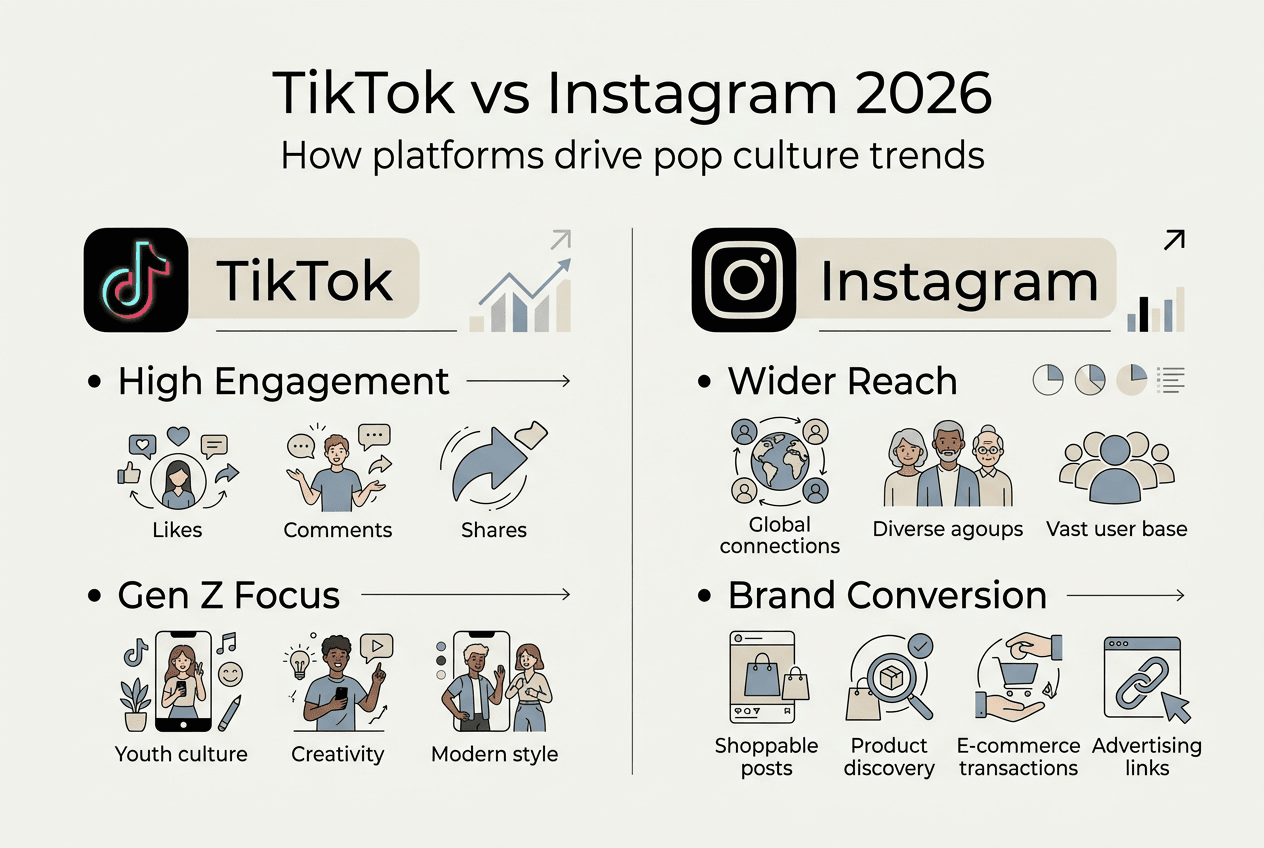
Yet Instagram Reels deliver 42% more median reach than TikTok videos, and crucially, convert viewers to customers more effectively. Instagram’s integration with shopping features and established creator-audience relationships produces superior commercial outcomes. If TikTok excels at cultural discovery, Instagram excels at cultural monetisation.
| Metric | TikTok | Implication for Pop Culture | |
|---|---|---|---|
| Average engagement rate | 2.80% | 0.65% | TikTok better for rapid trend participation |
| Median reach advantage | Baseline | +42% | Instagram spreads trends to broader audiences |
| User time spent daily | 95 minutes | 33 minutes | TikTok dominates attention economy |
| Ad revenue growth 2025-26 | +21% | +9% | TikTok attracts increasing marketing investment |
| Follower growth rate | +8.5% monthly | +3.2% monthly | TikTok builds audiences faster |
These platform characteristics influence content strategies across entertainment sectors. Gaming communities thrive on TikTok through short gameplay clips and meme formats, whilst Instagram supports UK gaming culture through longer-form Reels and community-building features. Film marketing splits between TikTok for initial buzz generation and Instagram for sustained campaign delivery.
Pro Tip: Tailor content formats to platform strengths rather than cross-posting identical material. TikTok rewards raw, spontaneous content whilst Instagram favours polished, aesthetic consistency.
User behaviour diverges significantly. TikTok users actively participate in trends, recreating dances, lip-syncing dialogue, and remixing content. Instagram users consume trends more passively, sharing to Stories rather than creating original responses. This participation gap explains why TikTok accelerates trends faster whilst Instagram extends their lifespan through broader distribution.
The platforms also differ in demographic concentration and cultural influence. TikTok skews younger, with Gen Z setting cultural agendas that other demographics encounter later through cross-platform sharing. Instagram maintains broader age distribution, making it essential for reaching millennials and older audiences who drive purchasing decisions for pop culture merchandise and entertainment subscriptions.
For you as a pop culture enthusiast, these distinctions matter. Following entertainment news on both platforms provides complementary perspectives: TikTok surfaces emerging subcultures and experimental content, whilst Instagram offers curated highlights and established fan communities. Strategic consumption across both platforms maximises your cultural awareness.
Balancing algorithmic influence with authenticity and diversity
The algorithm-driven content ecosystem creates tension between visibility optimisation and creative authenticity. Entertainment creators face pressure to produce content that satisfies algorithmic preferences whilst maintaining artistic integrity and diverse cultural perspectives. This balance determines whether social media enriches or impoverishes pop culture.
Algorithmic prioritisation risks content homogenisation, reducing the variety of voices, formats, and narratives in circulation. When creators discover that specific formats generate superior engagement, rational self-interest drives convergence toward those templates. You notice this in repetitive TikTok trends, formulaic YouTube thumbnails, and Instagram aesthetics that blur together. The algorithmic incentive structure favours conformity over experimentation.
Opacity compounds these challenges. Platforms rarely disclose precise algorithmic mechanics, leaving creators to reverse-engineer success through trial and error. This lack of transparency prevents meaningful discussion about whether algorithmic priorities serve cultural health or merely maximise platform engagement metrics. You consume content shaped by invisible decision-making systems with little accountability.
Pro Tip: Actively seek content from underrepresented creators and niche communities. Your engagement signals to algorithms that diverse perspectives deserve amplification, gradually shifting what appears in your feed.
Research reveals concerning impacts on identity formation. TikTok’s algorithmic infrastructure fosters passive consumption, potentially affecting how users construct cultural identity and self-perception. When algorithms curate your cultural exposure, you encounter limited perspectives that may reinforce existing preferences rather than challenging them with new ideas. This filter bubble effect constrains the breadth of pop culture influence.
Yet algorithmic systems also democratise cultural production. Independent creators access audiences previously controlled by traditional media gatekeepers. Niche fandoms find each other across geographic boundaries. Marginalised voices gain platforms that broadcast media historically denied them. The same systems that homogenise also diversify, depending on how creators and audiences navigate them.
Strategies for maintaining cultural health include:
- Deliberately consuming content outside algorithmic recommendations through manual searches and community recommendations
- Supporting creators who prioritise originality over trend participation, even when their content appears less frequently
- Engaging with diverse perspectives to signal algorithmic demand for variety rather than homogeneity
- Recognising when content reflects genuine creative vision versus algorithmic optimisation
“The healthiest cultural ecosystems balance trend participation with authentic expression, using algorithms as tools rather than dictators of creative direction.”
Entertainment industries increasingly recognise these tensions. Forward-thinking studios and platforms experiment with AI video editing approaches that enhance rather than replace human creativity. Gaming companies design experiences that reward organic community building alongside viral potential. Streaming services commission projects that challenge algorithmic predictions, betting that authentic storytelling ultimately generates sustainable audience loyalty.
Your role as an engaged pop culture consumer matters. Critical consumption patterns that reward quality and diversity over mere virality send signals that influence both algorithmic training and creative decision-making. When you intentionally explore beyond trending content, share underrepresented voices, and support experimental work, you contribute to cultural ecosystems that algorithms alone cannot create.
Explore pop culture through Merch Mates
Understanding how social media shapes pop culture enhances your appreciation for the entertainment phenomena that define contemporary cultural moments. Merch Mates transforms that understanding into tangible connections with your favourite franchises, characters, and trends.
Our curated collections reflect the dynamic intersection between digital trends and physical fandom. Whether you’re passionate about film and TV series that dominate social conversations, gaming communities that thrive through platform engagement, or broader pop culture movements that shape entertainment landscapes, Merch Mates connects you with products that celebrate your interests. Explore merchandise that captures the essence of viral moments, beloved franchises, and emerging trends shaping 2026’s cultural conversations.
FAQ
What is the primary way social media algorithms influence pop culture?
Algorithms determine content visibility by prioritising engagement potential, which shapes what becomes popular across film, TV, and gaming. Content that generates interactions receives algorithmic amplification whilst less engaging work remains obscure.
How did social media contribute to the success of Squid Game?
Coordinated Twitter activity and influencer shares created cascading awareness that rapidly expanded the show’s global audience. Social network effects transformed regional content into international phenomenon within weeks. This demonstrates how platform algorithms accelerate entertainment success beyond traditional marketing capabilities, connecting with pop culture collectables that extend viral moments.
Why do TikTok and Instagram differ in shaping pop culture trends?
Platform-specific engagement rates, reach patterns, and user behaviours create distinct trend impacts. TikTok’s 4x higher engagement drives rapid trend participation whilst Instagram’s superior reach extends trends to broader audiences. Algorithmic priorities differ, with TikTok favouring discovery and Instagram emphasising follower relationships.
What challenges do social media algorithms pose to creative diversity?
Algorithmic preference for trending content reduces originality and diversity in pop culture media by rewarding conformity over experimentation. Opacity around algorithmic decision-making prevents transparent discussion about cultural priorities. Balancing trend optimisation with authentic creativity helps creators maintain diverse voices whilst achieving necessary visibility in algorithm-driven ecosystems.