
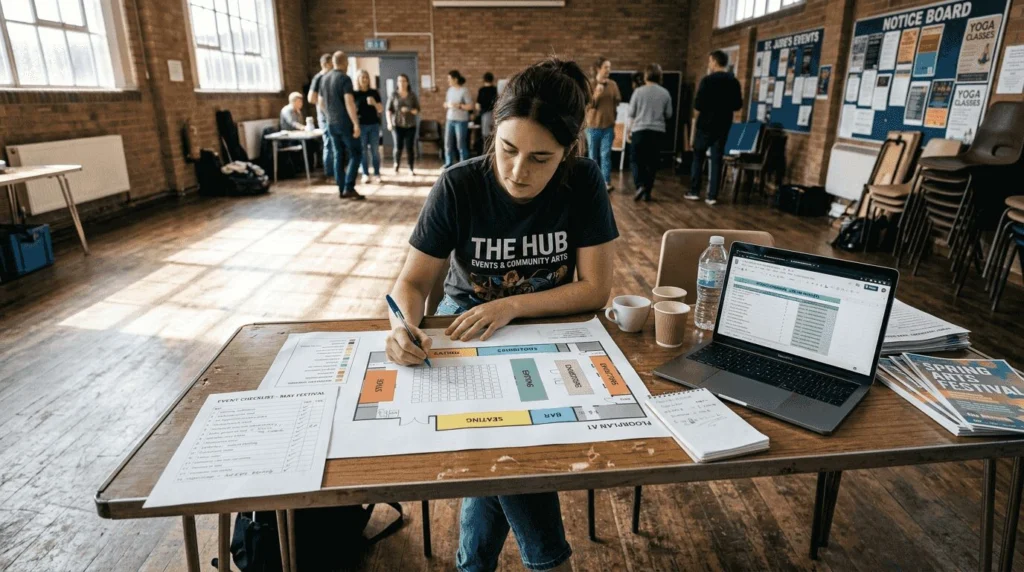
Hosting a fandom event brings fans together for unforgettable shared experiences, yet many organisers struggle with planning logistics, guest coordination, and delivering smooth operations. Whether you’re arranging your first comic con panel or a full weekend fan festival, the challenges can feel overwhelming without a clear roadmap. This guide walks you through essential preparation steps, execution strategies using modern technology, and post-event improvement practices to help you create engaging, memorable fandom gatherings in 2026.
Table of Contents
- Preparing To Host A Fandom Event In 2026
- Executing Your Fandom Event: Guest Management And Technology Use
- Post-Event Review And Continuous Improvement For Fandom Organisers
- Explore Fandom Culture With Merch Mates
- Frequently Asked Questions
Key takeaways
| Point | Details |
|---|---|
| Thorough planning matters | Fandom events require thoughtful guest selection, venue coordination, and financial contingencies. |
| Technology enhances operations | Digital tools like scheduling apps and streaming platforms improve attendee experience and crowd management efficiency. |
| Early marketing drives attendance | Start promotional campaigns several months ahead across email, social media, and community channels to maximise fan engagement. |
| Feedback fuels improvement | Collecting post-event data and attendee insights helps refine future programming and operational decisions. |
Preparing to host a fandom event in 2026
Successful fandom events begin with solid groundwork months before doors open. Your first step involves identifying your target fandom community and defining clear event goals, whether that’s celebrating a specific franchise, bringing together multiple fandoms, or creating networking opportunities for content creators.
Venue selection demands careful consideration of your expected attendance and technical requirements. Choose a space with adequate capacity, accessible facilities, and infrastructure to support panels, vendor areas, and interactive activities. Consider acoustics, lighting, and WiFi capacity, as these elements directly impact attendee satisfaction.
Budget planning requires realism and flexibility. Include all anticipated costs such as venue rental, guest fees, marketing expenses, staffing, equipment, and insurance. Build in a contingency fund of 15-20% to cover unexpected expenses like last-minute equipment rentals or emergency repairs. Track every pound to maintain financial control throughout the planning process.
Eventbrite’s platform provides tools to create and manage ticketing, registration, and early marketing efforts. These platforms streamline attendee communication and provide valuable data about your audience demographics and purchasing patterns. Set up tiered ticket pricing to reward early supporters whilst managing capacity effectively.
Marketing efforts should begin several months prior using multi-channel strategies. Create compelling content for social media, email newsletters, and community forums where your target fandom already gathers. Share sneak peeks of guest announcements, programme highlights, and exclusive opportunities to build anticipation. Partner with fandom influencers and content creators to extend your reach authentically.
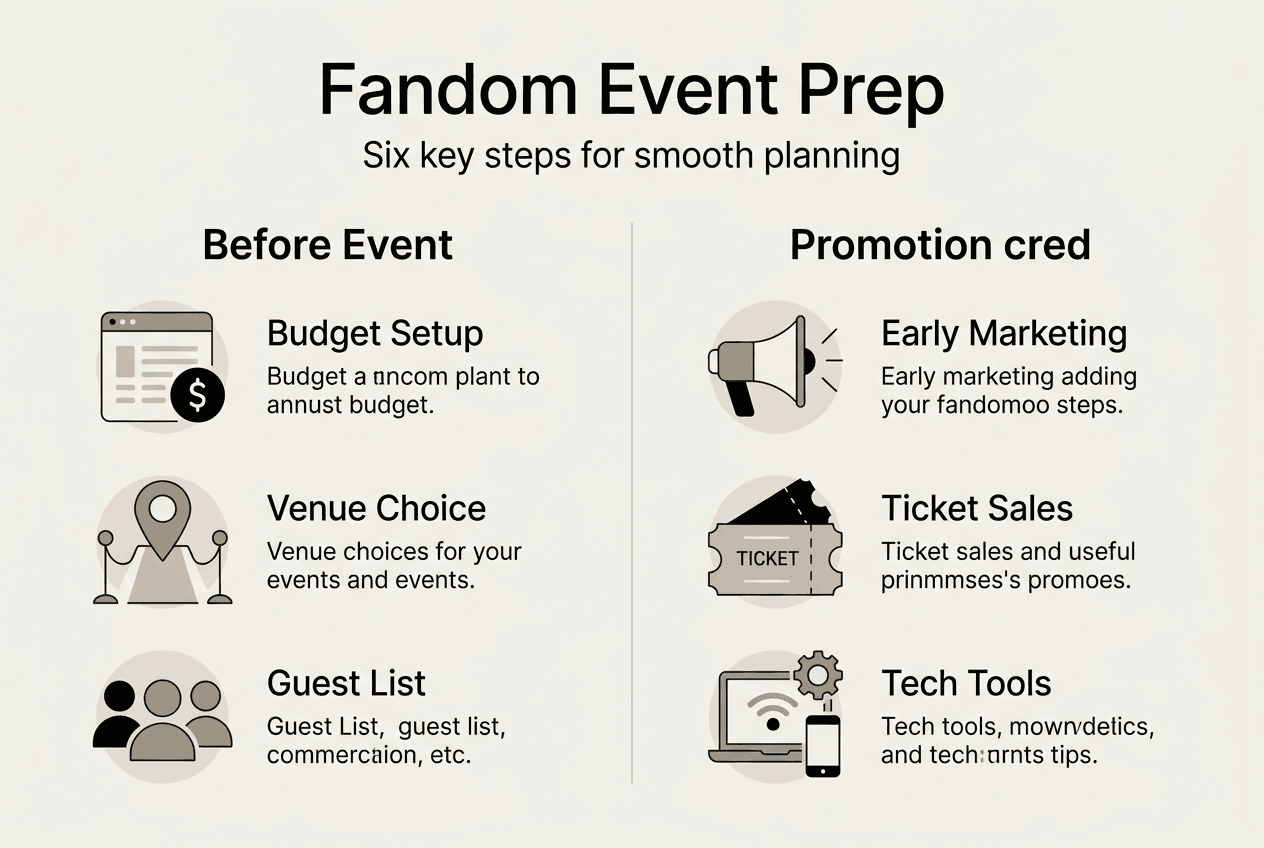
Consider creating merch tables or vendor spaces that boost engagement whilst generating additional revenue. These areas give fans tangible connections to their passions and support artists within your community. Curate vendors carefully to ensure quality and relevance to your fandom audience.
Pro Tip: Create a detailed timeline working backwards from your event date, assigning specific deadlines for venue booking, guest confirmations, marketing milestones, and operational preparations to stay organised.
Budget planning checklist
| Category | Typical allocation | Notes |
|---|---|---|
| Venue & facilities | 25-30% | Include setup, teardown, security |
| Guest appearances | 20-25% | Travel, accommodation, fees |
| Marketing & promotion | 15-20% | Digital ads, printed materials, influencer partnerships |
| Staffing & volunteers | 10-15% | Coordinators, security, registration teams |
| Contingency fund | 15-20% | Emergency expenses, last-minute needs |
Executing your fandom event: guest management and technology use
Your choice of guests and celebrities can make or break attendance and excitement levels. Strategic guest selection means inviting individuals who genuinely resonate with your target fandom, not just recognisable names. Research which actors, creators, artists, or influencers your community actively follows and engages with online. Authentic connections drive ticket sales and create memorable moments.
Approach guest management professionally through agents or managers. Present clear proposals outlining event details, expected attendance, appearance requirements, compensation packages, and logistical support you’ll provide. Be transparent about what you can offer, whether that’s appearance fees, travel arrangements, accommodation, or promotional opportunities. Build relationships that encourage guests to genuinely engage with your attendees rather than treating appearances as transactional obligations.
Technology transforms event operations and attendee experiences when deployed strategically. Scheduling apps, digital signage, streaming, and interactive schedules help manage crowds and keep attendees informed. Digital signage provides real-time updates about schedule changes, queue lengths, or special announcements without relying on manual communication methods.
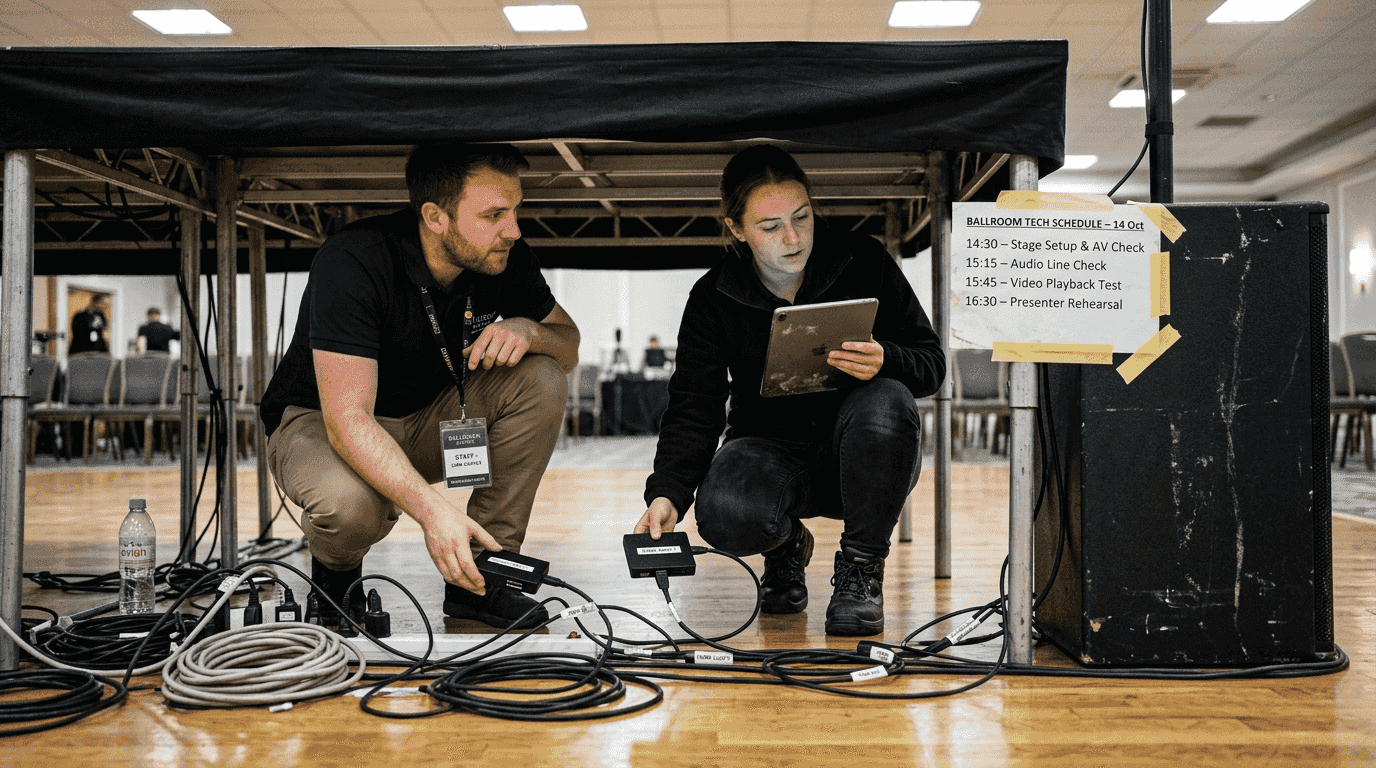
Interactive schedule apps allow attendees to personalise their experience by selecting panels, meet-and-greets, or activities they want to attend. These tools provide valuable data about which programming attracts the most interest, helping you allocate space and resources effectively. Push notifications keep fans informed about their selected events starting soon or location changes.
Streaming panels and special events extends your reach beyond physical attendees whilst creating additional revenue opportunities through virtual tickets. This approach also preserves content for fans who couldn’t attend specific sessions due to scheduling conflicts. Quality streaming requires reliable internet connectivity and basic audio-visual equipment, investments that pay dividends in accessibility and inclusivity.
Monitor operations continuously using data from your tech tools throughout the event. Track attendance patterns, identify bottlenecks, and adjust staffing or resources accordingly. Quick responses to emerging issues prevent small problems from escalating into major disruptions that damage attendee satisfaction.
Explore fan event technology tools that integrate ticketing, scheduling, and communication features to streamline your operational workflow. Centralised platforms reduce the complexity of managing multiple systems whilst providing comprehensive data for decision-making.
Pro Tip: Assign dedicated staff members to monitor social media and your event app during the gathering, responding quickly to attendee questions and addressing concerns before they spread.
“The best fandom events feel like coming home to your community. Technology should enhance human connection, not replace it. Use digital tools to solve logistical challenges so your team can focus on creating magical moments for attendees.”
Essential technology stack
- Ticketing and registration platform: Manage sales, check-ins, and attendee data in one centralised system with real-time updates.
- Mobile event app: Provide interactive schedules, maps, notifications, and social features that keep attendees engaged and informed.
- Digital signage system: Display dynamic content about schedule changes, announcements, and wayfinding throughout your venue.
- Streaming infrastructure: Broadcast panels and events to virtual attendees whilst recording content for later distribution.
- Communication tools: Coordinate staff and volunteers using messaging platforms that enable quick response to operational needs.
- Data analytics: Track attendance patterns, popular sessions, and engagement metrics to inform real-time adjustments and future planning.
Post-event review and continuous improvement for fandom organisers
Gathering comprehensive feedback transforms one-off events into evolving experiences that better serve your community with each iteration. Collect both qualitative insights through surveys and interviews alongside quantitative data from ticketing systems, app usage, and attendance tracking. Ask attendees, guests, vendors, and staff about their experiences, focusing on specific aspects like programme quality, venue suitability, organisation, and overall satisfaction.
Analyse ticket sales patterns to understand which marketing channels drove conversions, when purchasing peaked, and which ticket tiers proved most popular. Examine attendance data to identify which panels, activities, or guest appearances drew the largest crowds. Compare scheduled versus actual timing to spot areas where programming ran over or finished early, disrupting attendee plans.
Identify clear strengths worth preserving and amplifying in future events. Perhaps a particular guest created exceptional fan engagement, a creative activity format generated enthusiastic participation, or a vendor area arrangement improved traffic flow. Document these successes with specific details about implementation so you can replicate and build upon them.
Note challenges honestly, whether logistical issues like inadequate queuing space, technical problems such as audio difficulties, or programming gaps that left attendees wanting more content. Review what worked and what didn’t systematically, categorising issues by severity and feasibility of resolution. Prioritise addressing problems that most significantly impacted attendee satisfaction or created operational stress.
Use these insights to update your programming approach, marketing strategies, and operational procedures for measurably improved fan satisfaction. Adjust guest selection criteria based on engagement data, refine schedule timing using attendance patterns, and enhance marketing messages using feedback about what initially attracted attendees. Consider fan community engagement reviews to understand broader trends affecting your target audience.
Communicate findings back to your community, thanking participants for their feedback and sharing how you’ll implement improvements. This transparency builds trust and demonstrates your commitment to serving fan needs rather than simply running events. Preview exciting changes or additions planned for future gatherings to maintain enthusiasm between events.
Pro Tip: Create a standardised feedback form template you refine over multiple events, making year-over-year comparisons easier whilst reducing survey design time.
Post-event analysis framework
| Analysis area | Data sources | Key questions |
|---|---|---|
| Attendance & engagement | Ticketing systems, app analytics, session counts | Which programming attracted most interest? When did attendance peak? |
| Financial performance | Budget tracking, revenue reports, expense receipts | Did we meet revenue goals? Where did costs exceed projections? |
| Guest & programming | Attendee surveys, social media sentiment, session feedback | Which guests created most value? What content gaps existed? |
| Operations & logistics | Staff reports, incident logs, timing records | What operational issues arose? How can workflows improve? |
| Marketing effectiveness | Conversion data, channel analytics, survey responses | Which channels drove ticket sales? What messaging resonated most? |
Explore fandom culture with Merch Mates
Taking your fandom events to the next level means connecting fans with the merchandise, content, and cultural insights they crave beyond the event itself. Merch Mates offers a rich collection of fandom merchandise perfect for event giveaways, vendor recommendations, or inspiring your own event theming.
Explore our pop culture articles and products to deepen your understanding of what drives fan communities and discover trends shaping fandom culture in 2026. These resources help you stay connected to the pulse of fan interests, ensuring your events remain relevant and exciting. By understanding what fans value most, you create gatherings that truly resonate and build lasting community connections.
Frequently asked questions
What are fandom events and why are they important?
Fandom events are live gatherings where enthusiasts celebrate shared interests in specific franchises, genres, or pop culture phenomena through panels, meet-and-greets, vendor areas, and interactive activities. They foster authentic community connections, create unique experiences that online interactions cannot replicate, and support fandom economies by connecting creators, artists, and fans directly.
How do I choose the right guests for my fandom event?
Select guests who genuinely resonate with your target audience and contribute authentically to your event’s theme rather than simply pursuing the biggest names. Research which creators, actors, or influencers your community actively follows and engages with through social media, forums, and content consumption patterns. Work through professional agents or managers with clear proposals outlining mutual value, and prioritise guests willing to engage meaningfully with attendees.
What technology tools can help run fandom events more smoothly?
Scheduling apps, digital signage systems, and live streaming platforms keep attendees informed whilst reducing operational complexity and staff workload. Interactive mobile schedules allow fans to personalise their experience by selecting preferred sessions and receiving notifications about timing or location changes. Explore fandom event technology tools that integrate multiple functions into cohesive platforms for maximum efficiency.
How can I make sure my fandom event stays financially secure?
Include a contingency fund representing 15-20% of your total budget to cover unforeseen expenses like equipment failures, last-minute guest travel changes, or emergency facility repairs. Plan conservatively for ticket revenue by analysing comparable events and market conditions rather than assuming optimistic sell-out scenarios. Track all expenses meticulously throughout planning and execution, adjusting spending in real time to maintain financial health and avoid last-minute budget crises.