83 Best Fictional Characters That Start With C, Ranked
We've ranked 83 fictional characters that start with C, from the heavy hitters like Captain Jack Sparrow and Chewbacca to deeper cuts across film, TV, anime, and games.

View summaryHide summary
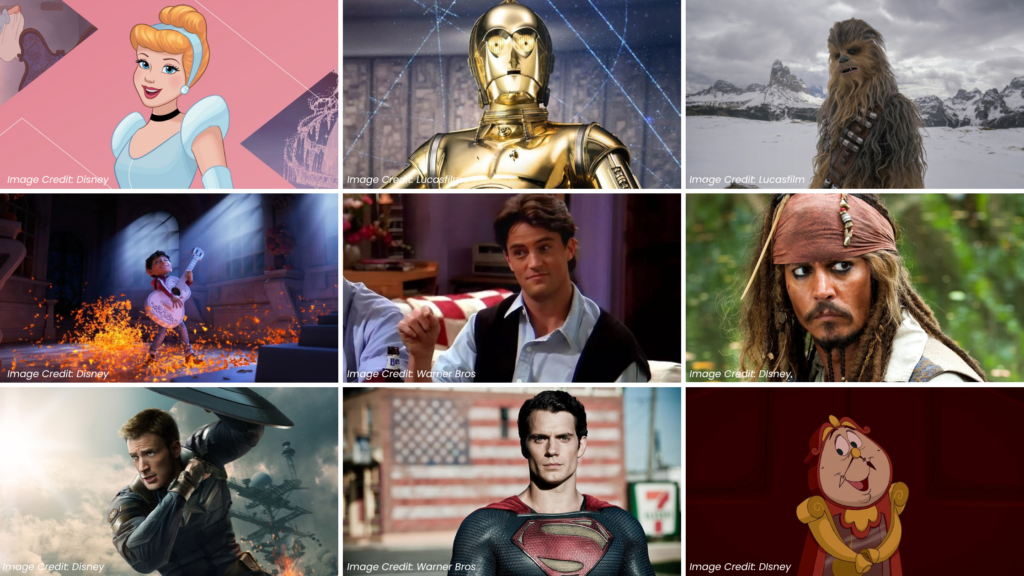
83 fictional characters whose names start with C, from film, TV, anime, games and books. The top 10 are ranked: Captain Jack Sparrow, Captain America, Chewbacca, Cinderella, Charlie Brown, Catwoman, Cookie Monster, Cruella de Vil, Chucky and Cloud Strife.
After that come more iconic picks and the rest grouped by franchise. The FAQ covers the best-known C characters, with quick answers for Scattergories.
You’re here for a list of fictional characters that start with C, so that’s exactly what this is.
We’ve ranked 83 of them, from the heavy hitters like Captain Jack Sparrow and Chewbacca to deeper cuts across film, TV, anime, and games. The top 10 are ordered. The rest are grouped so you can find what you need fast.
C is the letter of captains. America, Jack Sparrow, Hook, Barbossa, Marvel: no other letter hands out this many commissions. It also has the monster who taught generations that C is for cookie, the most famous wookiee in the galaxy, and comics’ greatest lovable loser. If you’re playing Scattergories, trying to remember a character name, or just seeing how deep the C-list goes, this should cover it.
Start at the top, or jump to what you need using the table of contents. This is one letter of a full A to Z: start with the letter A list if you’re collecting the set, or jump back to letter B.
Our Top 10 Characters That Start With C, Ranked
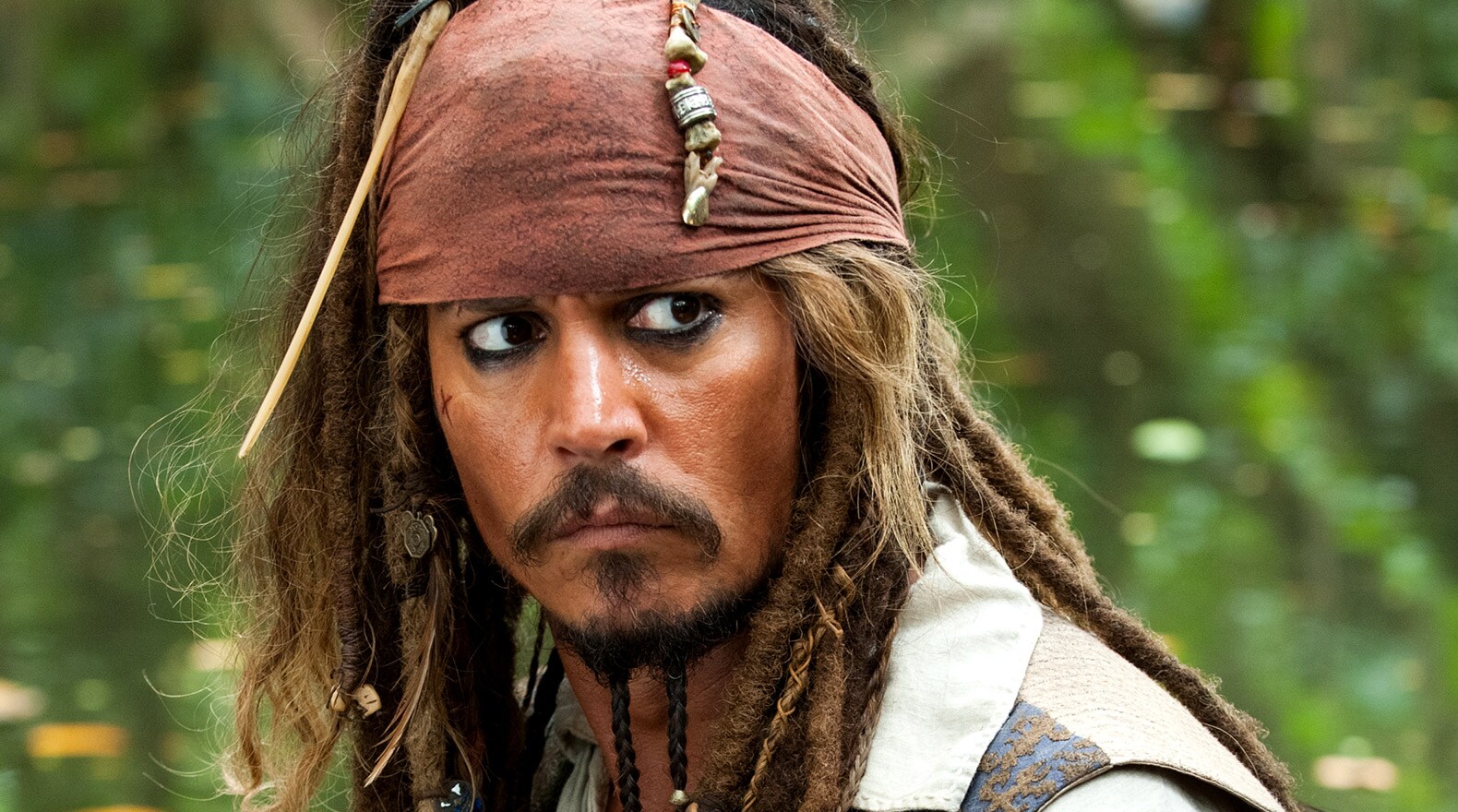
Captain Jack Sparrow (Pirates of the Caribbean)
The Worst Pirate You've Ever Heard Of
| Debut | Pirates of the Caribbean: The Curse of the Black Pearl (2003) |
| Franchise | Pirates of the Caribbean |
| Portrayed by | Johnny Depp |
| Key works | The Curse of the Black Pearl, Dead Man’s Chest, At World’s End |
Captain Jack Sparrow is the rare blockbuster character who arrived fully formed and immediately made everything around him look slower. The Curse of the Black Pearl was a film based on a theme park ride, a genre Hollywood had abandoned, and a leading man playing it like a drunk rock star. Disney executives reportedly panicked at the dailies. Then the film made bank, Depp got an Oscar nomination for a popcorn pirate movie, and every studio spent the next decade hunting for its own Jack Sparrow.
The Keith Richards inspiration is well documented (Richards eventually turned up as Jack’s father in the third film), but the character is more than the slur and the swagger. Jack works because you can never quite settle whether he’s a genius pretending to be a fool or a fool with outrageous luck, and the films are at their best when they refuse to answer.
Five films and over $4.5 billion later, the franchise has never once worked without him. Barbossa, who you’ll meet further down, is arguably the better pirate. Jack is the better character.
He takes the top spot because he’s the reason a generation can name a pirate at all. Not bad for a man introduced sailing into port on a sinking boat.
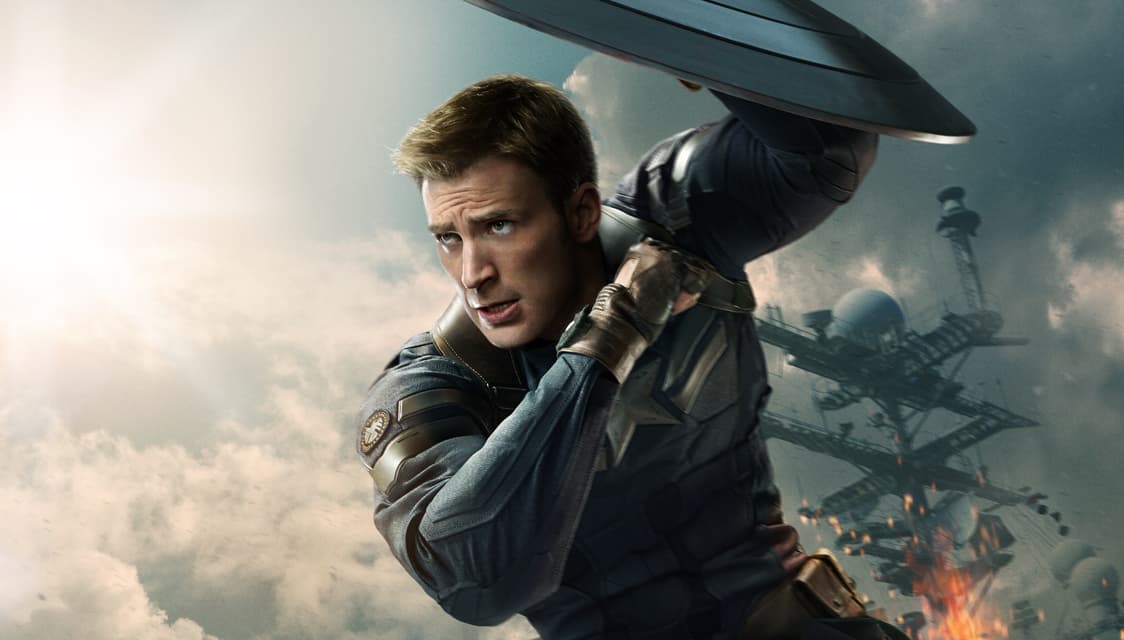
Captain America (Marvel)
The First Avenger
| Debut | Captain America Comics #1 (1941) |
| Franchise | Marvel |
| Portrayed by | Chris Evans, Anthony Mackie (current) |
| Key works | The First Avenger, The Winter Soldier, Civil War, Avengers: Endgame |
Captain America was punching Hitler on a comic book cover in early 1941, months before the United States entered the war. Joe Simon and Jack Kirby built him as propaganda, and the character’s whole modern history is the process of becoming something better than that.
Steve Rogers should be the dullest Avenger on paper: the boy scout, the man out of time, the one whose superpower is roughly gym, but more so. Chris Evans’s decade in the role proved the opposite. The Winter Soldier turned him into the moral centre of the biggest franchise in film history, and Endgame gave him two of the MCU’s most cheered moments, wielding Mjölnir and finally getting that dance. “No, you move” is the character in three words: the stubbornness is the point.
The shield has since passed to Sam Wilson, who carried it into Brave New World, and the fact that the mantle transfers at all tells you Cap is an idea more than a man, which is exactly what Simon and Kirby intended.
Jack Sparrow edges him for the top spot on pure character invention, but no C name on this list means more to more people. The little guy from Brooklyn did alright.
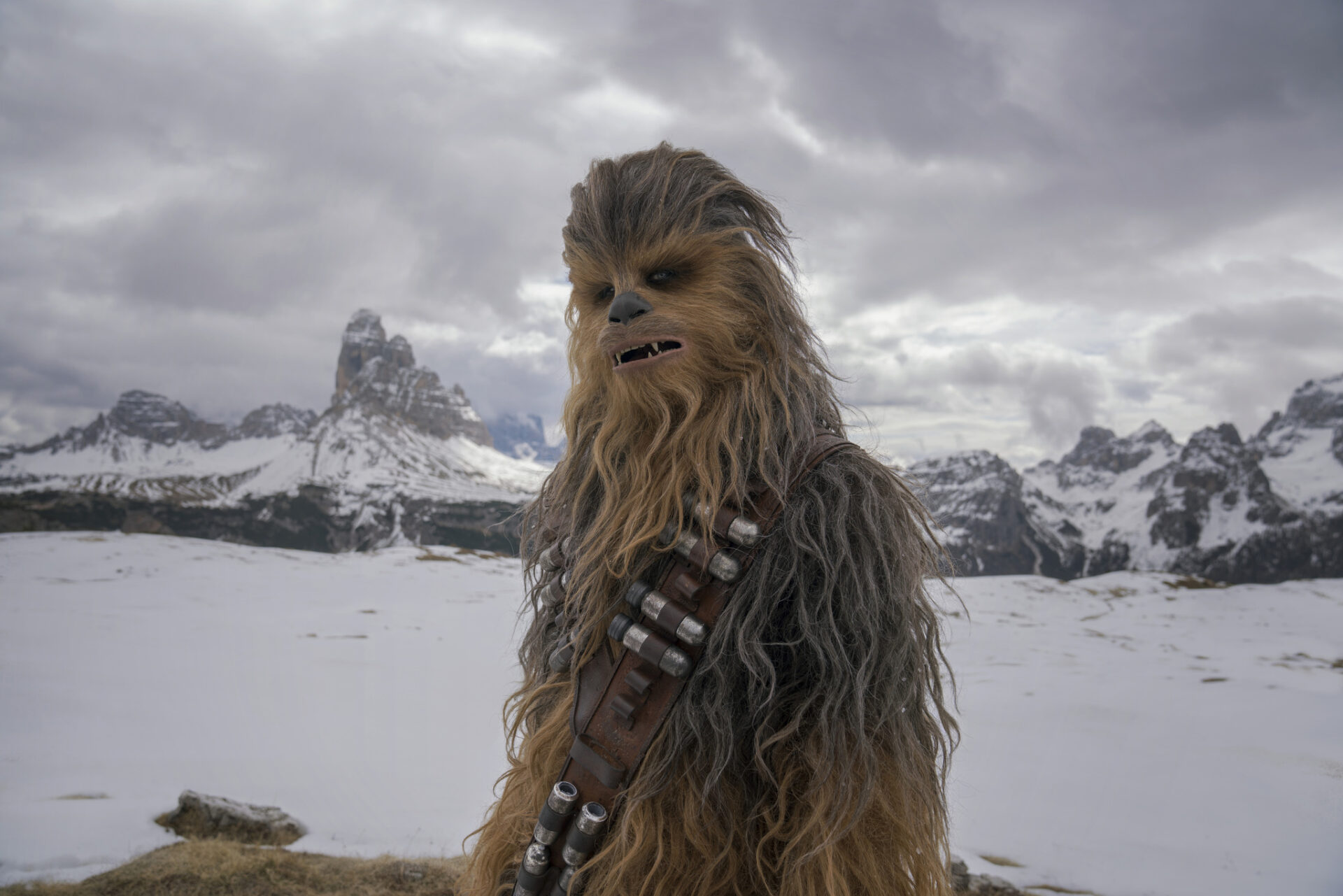
Chewbacca (Star Wars)
The Mighty Wookiee
| Debut | Star Wars (1977) |
| Franchise | Star Wars |
| Portrayed by | Peter Mayhew, Joonas Suotamo (current) |
| Key works | The original trilogy, The Force Awakens, Solo |
Chewbacca has been co-piloting the Millennium Falcon since 1977 and has never needed a single line of translated dialogue to become one of cinema’s most beloved characters. That’s the achievement worth sitting with: Peter Mayhew, seven foot three and acting through a full-body suit, built a complete personality out of posture, head tilts, and a sound designer’s blend of bear, walrus, and lion recordings.
Chewie is the franchise’s conscience and its comic relief at once, a 200-year-old warrior who plays holochess like a sore loser and rips arms out of sockets only in theory. He’s loyalty as a character: to Han, most famously, but the prequels and Solo quietly built out a longer life, from the defence of Kashyyyk to the debt that bound him to a smuggler in the first place.
The great Chewbacca injustice, the missing medal at the end of A New Hope, became such a long-running fan grievance that The Rise of Skywalker finally handed him one, forty-two years late. Few franchises bother settling debts that old, which tells you how much this character matters to the people making Star Wars, not just the people watching it.
The tallest entry in our top 10, and the only one who could actually fix the ship he arrived on.
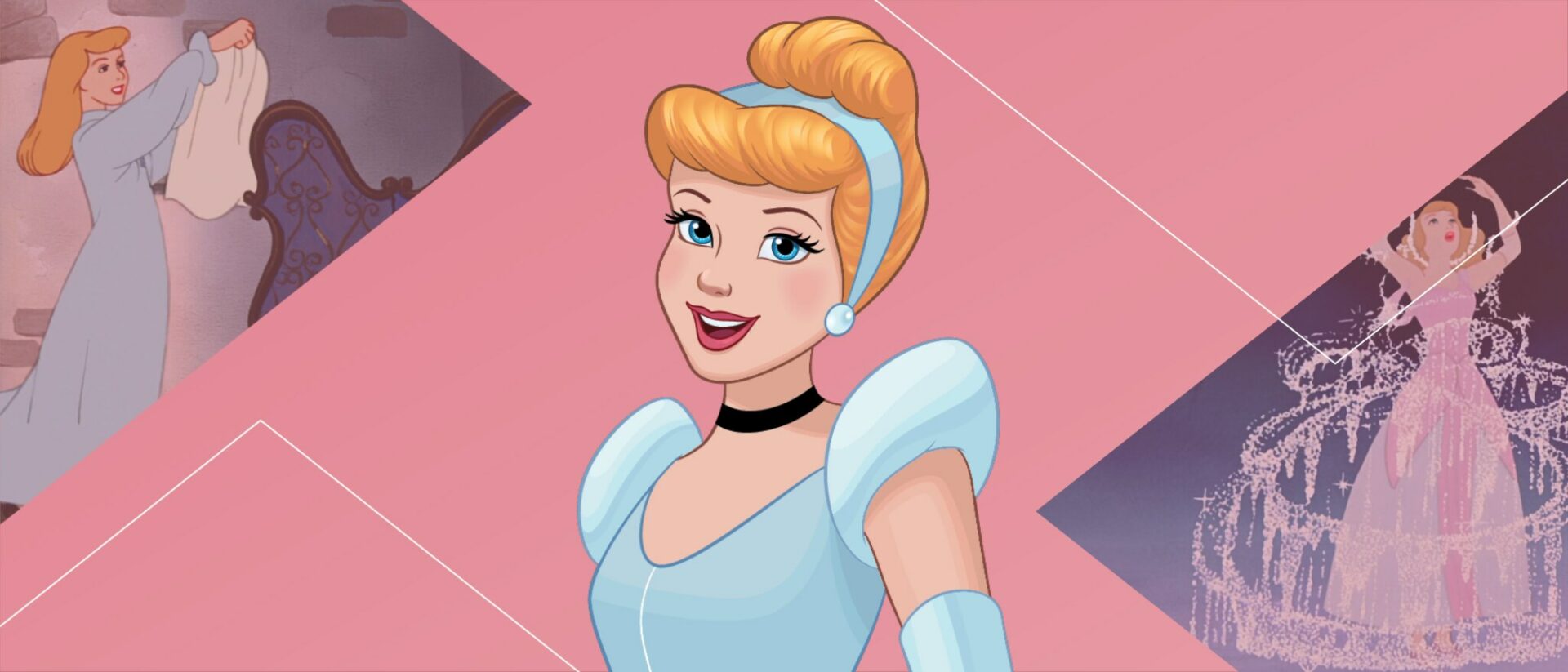
Cinderella (Cinderella)
The Girl with the Glass Slipper
| Debut | Cinderella (1950); folk tale origins centuries older |
| Franchise | Disney |
| Portrayed by | Ilene Woods (voice, 1950), Lily James (2015) |
| Key works | Cinderella (1950), Cinderella (2015) |
Cinderella saved Walt Disney Animation, and you can put away the princess-marketing scepticism: the studio came out of the war years in serious financial trouble, and the 1950 film’s success is widely credited with keeping it alive to make everything that followed. No Cinderella, and the second half of the twentieth century looks very different for animation.
The character herself has travelled further than any Disney creation bar the mouse. The story existed for centuries before Walt touched it, but the 1950 film’s version, the glass slipper, the midnight deadline, the transformation, became the definitive one, to the point where “Cinderella story” is shorthand across sport, politics, and every reality TV arc ever cut together.
She’s also, quietly, the most present character in the Disney parks empire. The castle at the centre of Magic Kingdom is hers, which makes her silhouette part of the corporate logo half the planet sees before every Disney film. Kenneth Branagh’s 2015 live-action remake with Lily James took over half a billion at the box office and kicked the studio’s entire remake era into gear.
Critics of the character call her passive. The counter is simpler: she’s the single most recognisable fairy tale figure on Earth, and has been for 75 years.
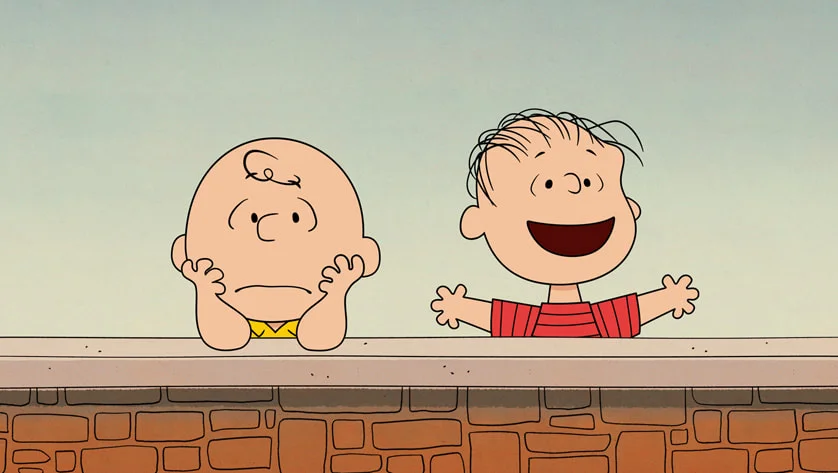
Charlie Brown (Peanuts)
Good Grief
| Debut | Peanuts comic strip (2 October 1950) |
| Franchise | Peanuts |
| Voiced by | A succession of child actors by tradition, beginning with Peter Robbins |
| Key works | Peanuts (1950 to 2000), A Charlie Brown Christmas (1965), The Peanuts Movie (2015) |
Charlie Brown is the greatest loser in fiction, and one of its most profound creations. Charles Schulz drew him nearly every day for fifty years, close to 18,000 strips, all in service of a boy who never kicks the football, never wins the baseball game, and never speaks to the Little Red-Haired Girl. The joke is always the same and it never stops landing, because the real subject is persistence: he keeps showing up, strip after strip, decade after decade.
Peanuts became the most widely syndicated comic strip in history, but the character’s second life on screen is what fixed him in the culture. A Charlie Brown Christmas has aired every year since 1965, jazz soundtrack and wonky little tree intact, and remains one of the few pieces of mid-century television that children still actually watch. The 2015 Peanuts Movie proved the formula survives modern animation with its dignity intact.
That a round-headed kid in a zigzag shirt whose defining trait is disappointment became a global merchandising empire is one of pop culture’s better ironies, and Schulz knew it.
He was missing from this list entirely until this update, which felt like a very Charlie Brown outcome. Restored to the top five, where he belongs. Good grief.
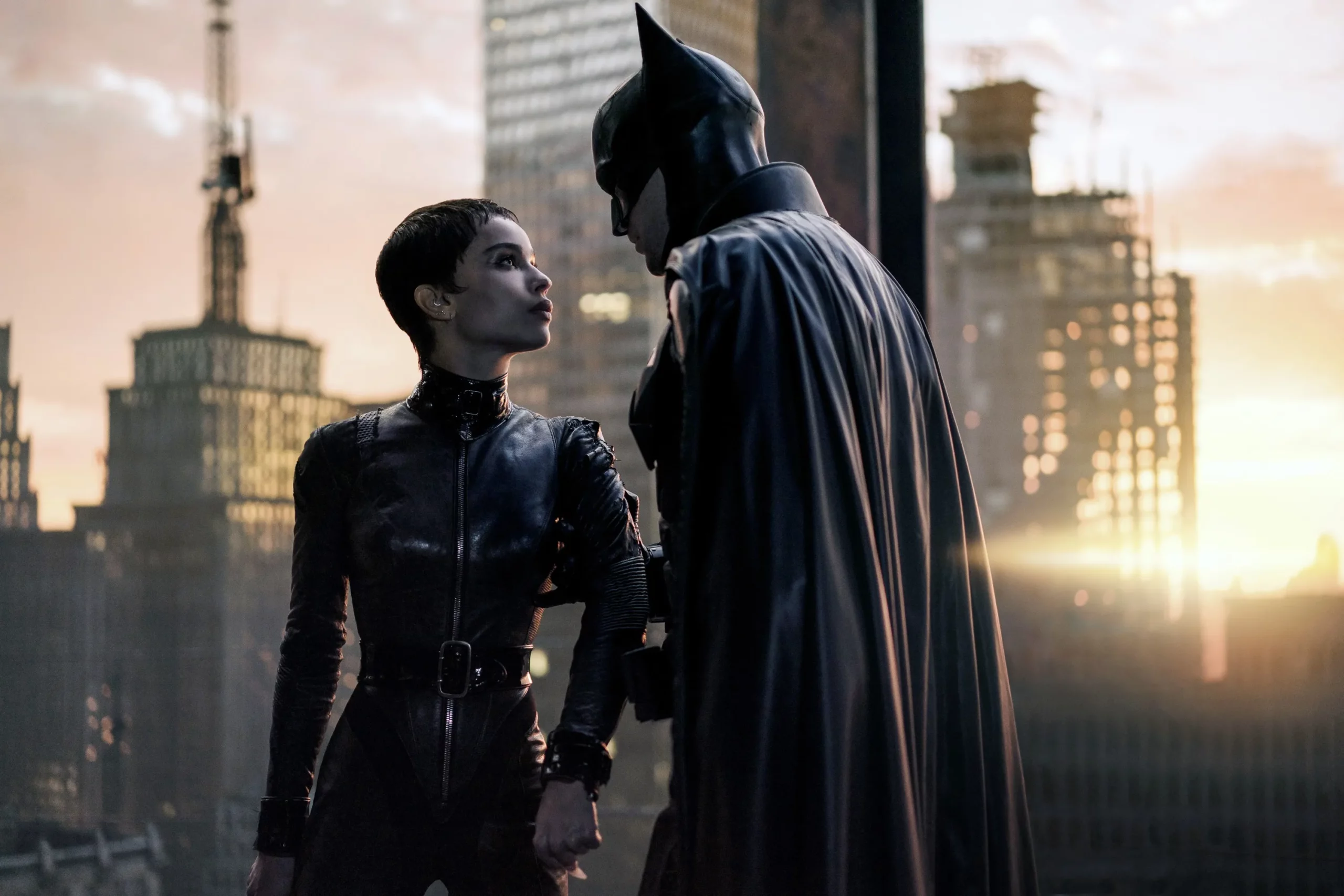
Catwoman (DC)
The Cat
| Debut | Batman #1 (1940) |
| Franchise | DC |
| Portrayed by | Julie Newmar, Eartha Kitt, Michelle Pfeiffer, Anne Hathaway, Zoë Kravitz (among others) |
| Key works | Batman Returns (1992), The Dark Knight Rises (2012), The Batman (2022) |
Catwoman has been keeping Batman honest since Batman #1 in 1940, which makes Selina Kyle one of the longest-running women in comics, and comfortably the most interesting. She’s the character DC has never needed to pick a lane for: thief, antihero, love interest, occasional outright hero, sometimes all four in the same story. The ambiguity is the character, and DC has had the sense to protect it for 85 years.
Her screen history is a relay of era-defining performances. Julie Newmar and Eartha Kitt made her television’s slinkiest villain in the 60s, and then Michelle Pfeiffer’s turn in Batman Returns produced arguably the single most iconic version: stitched vinyl, nine lives, and a performance so unhinged and controlled at once that it’s still the benchmark thirty years on. Anne Hathaway made the part sly and pragmatic for Nolan’s Gotham, and Zoë Kravitz grounded it for The Batman.
We’ll politely step past the 2004 solo film, as the culture has agreed to.
Selina outranks every DC character on this list because she’s the one who never needed rescuing from her own adaptations. Whatever the era does to Gotham, Catwoman lands on her feet. That’s rather the point of her.
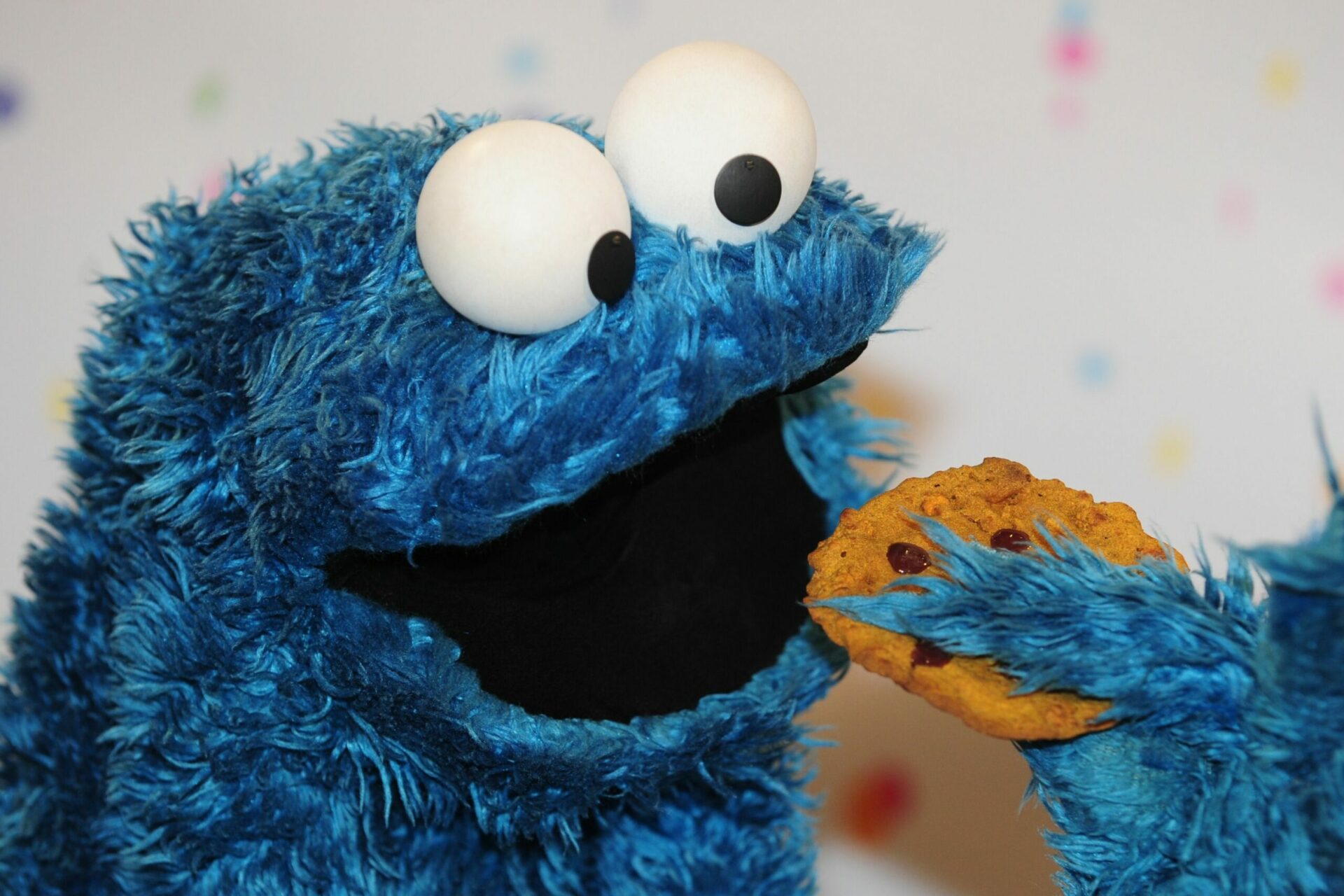
Cookie Monster (Sesame Street)
C Is for Cookie
| Debut | Sesame Street (1969) |
| Franchise | Sesame Street |
| Performed by | Frank Oz (originator), David Rudman (current) |
| Key works | Sesame Street (1969 to present), C Is for Cookie (1971) |
Cookie Monster is the only character on this list with a legitimate claim to owning the letter itself. “C is for Cookie”, first performed in 1971, is probably the most successful piece of letter-based propaganda ever recorded, and it means the googly-eyed blue monster has been the letter C’s unofficial mascot for over fifty years. On a list like this one, that’s practically a hereditary title.
Jim Henson created him and Frank Oz performed him for decades, building the character on a beautifully simple engine: total, ungovernable appetite attached to a genuinely sweet nature. The devouring (cookies, plates, occasionally guests’ props) gets the laughs, but the reason parents tolerate ten thousand viewings is that Cookie Monster models something useful: wanting things enormously and being lovely about it anyway.
The character even survived his own moral panic. When Sesame Street introduced the “a cookie is a sometimes food” message in the 2000s, headlines declared him ruined, rebranded as a vegetable eater. He wasn’t, and the show said as much. He remains monstrously, reassuringly himself.
Fifty-five years on air makes him one of the longest continuously performed characters in television history. Om nom nom nom. He earns the top 10 on tenure alone; the charm is a bonus.
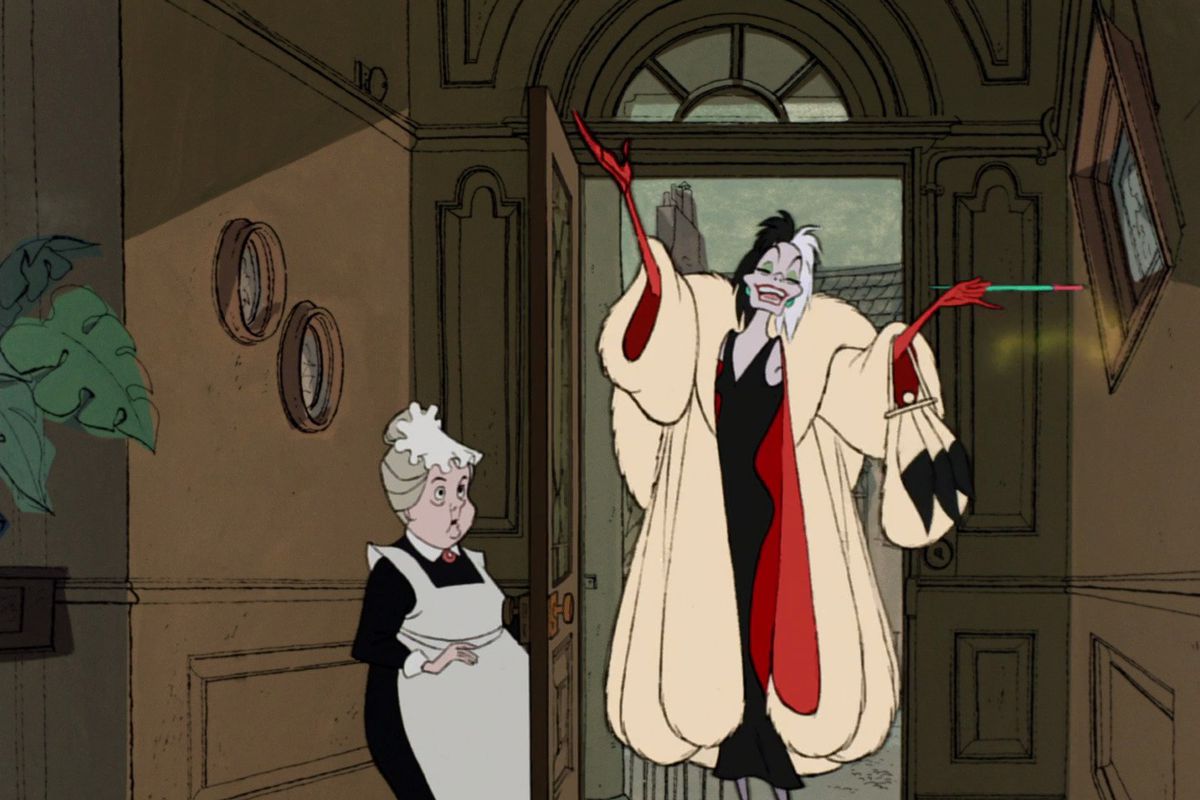
Cruella De Vil (101 Dalmatians)
The Devil in a Fur Coat
| Debut | The Hundred and One Dalmatians (novel, 1956); Disney film (1961) |
| Franchise | Disney / 101 Dalmatians |
| Portrayed by | Betty Lou Gerson (voice, 1961), Glenn Close (1996), Emma Stone (2021) |
| Key works | One Hundred and One Dalmatians (1961), 101 Dalmatians (1996), Cruella (2021) |
Cruella De Vil is Disney villainy with all the magic stripped out, and she’s scarier for it. No curses, no sea-witch contracts, no poisoned apples: just a chain-smoking London fashion heiress who wants to skin puppies for a coat. Dodie Smith wrote her in 1956, the 1961 animated film gave her one of the all-time great character designs (the two-tone hair, the fur, the cigarette holder, the driving), and the theme song did the rest. Not many villains get their name spelled out in their own leitmotif.
She’s also one of the few animated villains to sustain two major live-action incarnations. Glenn Close played her as high-camp menace in 1996 and clearly relished every second. Emma Stone’s 2021 origin film turned her into a punk-era antiheroine, won the Oscar for costume design, and made enough money that a sequel went into development, proof there’s genuine box office in the woman, not just the wardrobe.
The interesting thing about Cruella is that her evil is entirely plausible. Fashion-industry cruelty and moneyed entitlement need no enchanted backstory. That’s why she has dated far less than most of Disney’s mid-century rogues’ gallery.
Highest-ranked villain on this list. She’d expect nothing less.
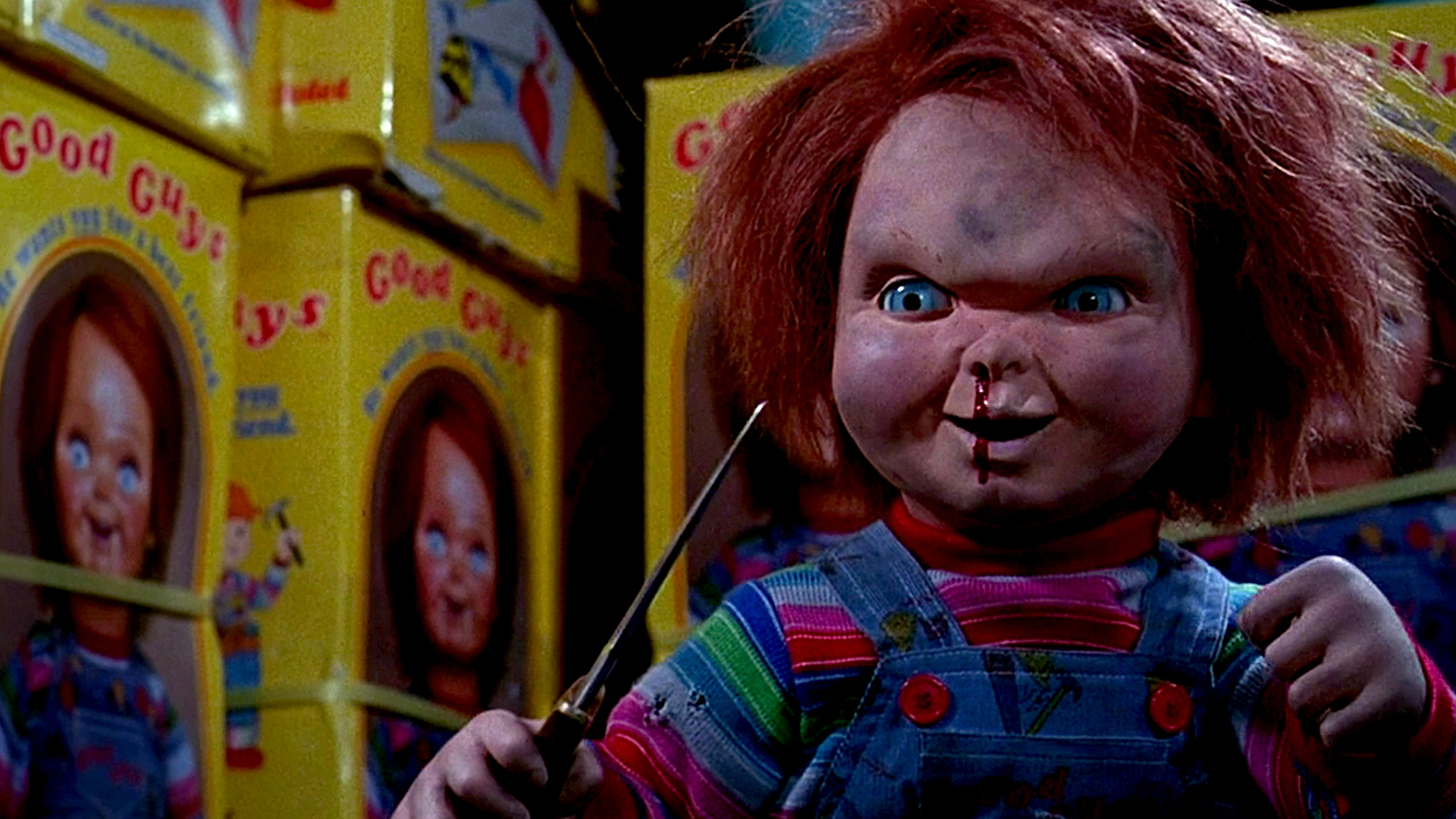
Chucky (Child's Play)
Your Friend till the End
| Debut | Child’s Play (1988) |
| Franchise | Child’s Play / Chucky |
| Voiced by | Brad Dourif (1988 to present) |
| Key works | Child’s Play (1988), Bride of Chucky (1998), Chucky (TV series, 2021 to 2024) |
Chucky is the most durable slasher villain of his era, which is a strange thing to say about a two-foot doll in dungarees. Freddy, Jason, and Michael Myers have all been rebooted, recast, and passed between studios. Chucky, the Good Guys doll possessed by the soul of serial killer Charles Lee Ray, has been written by creator Don Mancini and voiced by Brad Dourif continuously since 1988. Thirty-five-plus years of a single creative voice is unheard of in horror, and it shows in how coherent the character has stayed.
It also shows in how weird the franchise was allowed to get. Bride of Chucky swerved into knowing comedy, Seed of Chucky went full meta, and the recent TV series ran three seasons of self-aware, surprisingly heartfelt slasher television before ending in 2024. The franchise has survived one hostile reboot (2019’s Mark Hamill-voiced remake, made without Mancini) precisely because everyone could tell the real Chucky from the substitute.
The doll itself does half the work. Toy-sized horror is primal: the thing in the toy box that shouldn’t be moving. Chucky simply says the quiet part with a kitchen knife.
The only top 10 entrant who’d stab his way up the rankings if he could read them.
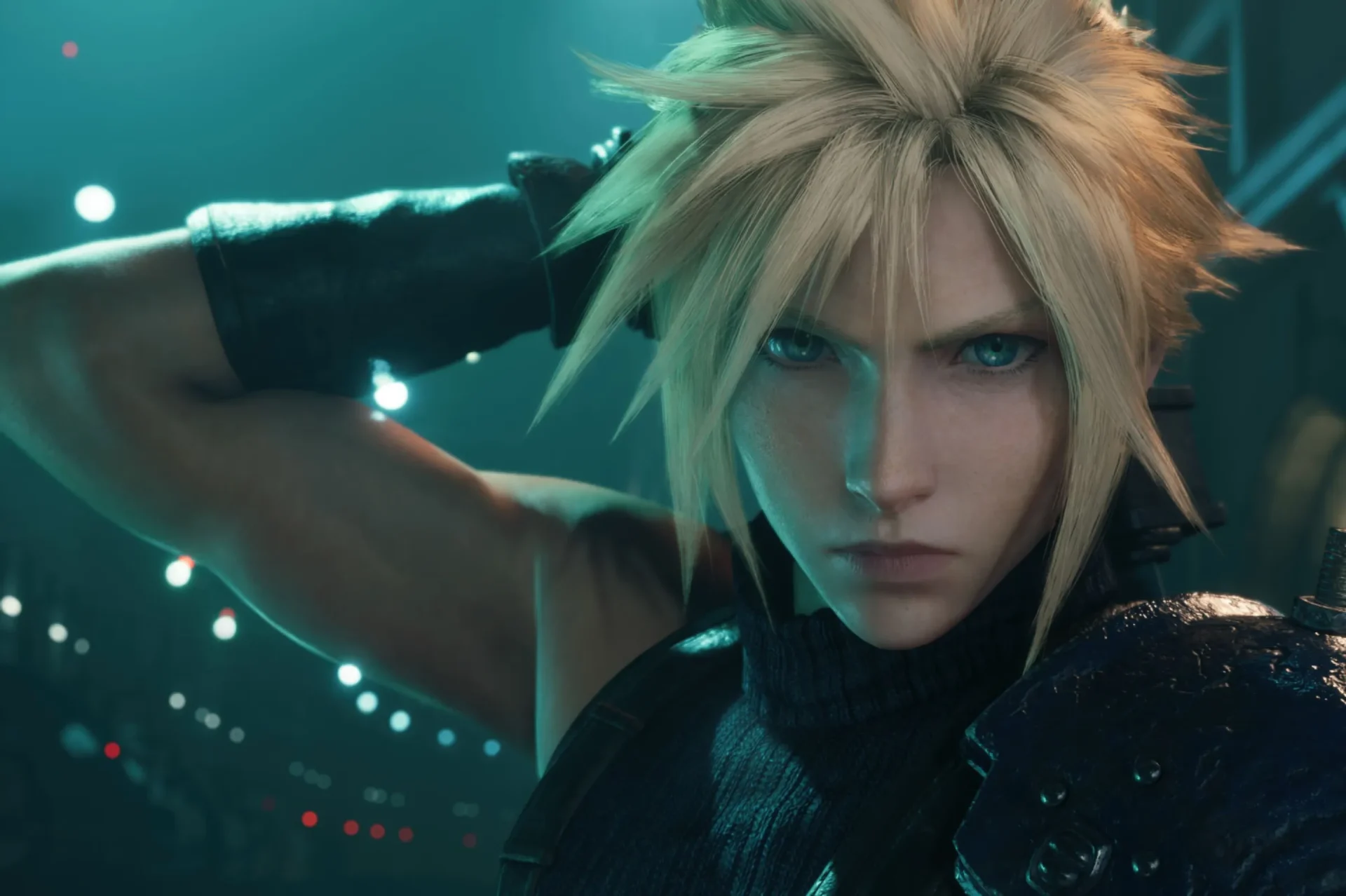
Cloud Strife (Final Fantasy VII)
The Ex-SOLDIER with the Buster Sword
| Debut | Final Fantasy VII (1997) |
| Franchise | Final Fantasy |
| Voiced by | Cody Christian (English, Remake era), Takahiro Sakurai (Japanese) |
| Key works | Final Fantasy VII (1997), Advent Children (2005), FFVII Remake (2020), FFVII Rebirth (2024) |
Cloud Strife is the most famous JRPG protagonist ever made, and for many players in 1997 he was the moment games grew up. The spiky hair and the absurd Buster Sword made him instantly iconic, but Final Fantasy VII’s actual trick was hiding a story about identity, trauma, and fraudulent memory inside its mercenary hero. Cloud’s stoic-legend persona turns out to be borrowed, and finding out who he actually is remains one of gaming’s great narrative rug-pulls.
The character has since done everything a game character can do: fronted the CGI film Advent Children, crossed over into Kingdom Hearts, and joined Super Smash Bros., the modern measure of gaming royalty. The Remake trilogy has now introduced him to a second generation, with Rebirth in 2024 earning some of the series’ best reviews and the finale, Final Fantasy VII Revelation, unveiled this summer.
He’s here ahead of Charizard and a queue of other candidates because Cloud carries his franchise rather than featuring in it. Final Fantasy had six numbered games before him; it’s his face on the tin ever since.
The first video game character on this list, and on current form the Remake project will keep him relevant deep into a fourth decade. Not bad for a man who lies on his CV.
More Iconic Fictional Characters Starting With C
C-3PO
Fluent in Over Six Million Forms of Communication
C-3PO is the fussiest, most anxious character in Star Wars, and one of only a handful of characters to appear in all nine Skywalker saga films, with Anthony Daniels inside the gold suit every single time. That continuity is quietly remarkable: one actor, one role, across 42 years of a franchise that recast or retired nearly everyone else. Threepio works as the saga’s put-upon butler, forever announcing the odds of survival to people who don’t want them, and his double act with R2-D2 is the oldest running joke in the galaxy. George Lucas built him from the bickering peasants of Kurosawa’s The Hidden Fortress, which is why two droids carry the opening act of the entire saga.
Superman, AKA Clark Kent
The Man of Steel
Yes, his name is Superman, which files him under S. He stays on this list anyway, because this page has always listed him by the name on his desk at the Daily Planet, and by the most persuasive reading of the character Clark Kent is the real man, with Superman as the job. However you file him, he’s the character the entire superhero genre descends from, arriving in Action Comics #1 in 1938 and effectively inventing the category. Christopher Reeve made you believe a man could fly, Henry Cavill carried the brooding years, and David Corenswet’s 2025 film relaunched an entire studio universe on the character’s optimism. Nearly ninety years on, the big blue boy scout still works.
Chandler Bing
Could He BE Any More Iconic?
Chandler Bing is the Friends character people actually quote. Ross got the plots and Joey got the spin-off, but Chandler’s sarcasm-as-load-bearing-wall became the show’s comic signature, and Matthew Perry’s timing, the emphasis landing where no other actor would put it, was the engine. Could that delivery BE any more imitated? The character gave a generation its default defence mechanism and its favourite way to stress a verb. Perry’s death in 2023 turned every rewatch into something more tender, and cemented what was already true: of the six, Chandler is the one whose lines you remember without trying. Miss Chanandler Bong remains the greatest wrong name in sitcom history.
Charizard
The Original Fire Starter's Final Form
Charizard is the most valuable Pokémon in the real world, never mind the fictional one. The final evolution of Charmander has fronted two of the original games’ box covers, headlined the trading card game since 1996, and turned its first-edition holographic card into a six-figure auction staple, with one graded copy famously selling for well north of $300,000. In-universe he’s Ash’s great problem child, the disobedient powerhouse of the original anime run; out of universe he’s the franchise’s second face after Pikachu, gifted two Mega Evolutions and a Gigantamax form because The Pokémon Company knows exactly where its bread is buttered. Every 90s playground had one kid with a Charizard card and a security detail.
Chihiro Ogino
The Girl Who Remembered Her Name
Chihiro is the anchor of the most acclaimed animated film of its century. Studio Ghibli’s Spirited Away won the Academy Award for Best Animated Feature and stood for nearly two decades as Japan’s highest-grossing film ever, and it rests entirely on a sulky ten-year-old who earns her courage one indignity at a time in a bathhouse for spirits. Miyazaki’s stroke of genius was refusing to make her plucky from the start: Chihiro begins the film whining in the back seat of the car and ends it having out-negotiated a witch. Her name being taken, and fought for, gives the film its spine. The gold standard for child protagonists, animated or otherwise.
Captain Barbossa
The Pirate Who Kept Coming Back
Barbossa is the Pirates franchise’s secret weapon and, whisper it, the better pirate than the man at the top of this list. Geoffrey Rush played him across all five films as the only actor having as much fun as Depp, taking the character from cursed villain to reluctant ally to something like a tragic hero, and dying twice along the way because the films simply couldn’t manage without him. The apple business, the ghost stories speech, the peg leg funded by a king: Rush treats every scene as an acting exhibition with a monkey on his shoulder. Jack gets the legend. Hector Barbossa gets the arc.
Captain Hook
The Man Who Feared the Clock
Captain Hook has been fiction’s most elegant coward since J.M. Barrie’s 1904 play: a pirate obsessed with good form, terrified of a crocodile that swallowed a ticking clock along with his hand. That image, doom you can hear coming, is one of the great inventions in children’s literature. By stage tradition the same actor plays Hook and Mr Darling, a doubling that quietly suggests every child’s adventure needs a father figure to escape. On screen he’s been Disney’s foppish 1953 schemer, Dustin Hoffman in prosthetics in Hook, and Jude Law’s wounded, vicious take in 2023. Villains date. Hook, somehow, keeps his form.
Charles Xavier
Professor X
Charles Xavier founded the X-Men in 1963 as Marvel’s answer to a question the culture was already asking: what does coexistence cost, and who pays it? The world’s most powerful telepath preaching integration from a wheelchair, opposite his oldest friend Magneto’s harder line, gave superhero comics their most durable political metaphor. On screen he’s had the rare fortune of two definitive actors: Patrick Stewart, whose casting was so perfect it felt pre-ordained, and James McAvoy, who got to play the doubt and vanity underneath the saintliness. Stewart’s final turn in Logan, a great mind failing in a water tower, is among the bravest things the genre has done.
Cheshire Cat
We're All Mad Here
The Cheshire Cat has been unsettling readers since 1865 with the best entrance-and-exit strategy in fiction: appearing grin-first and vanishing grin-last, leaving only the smile hanging in the air. Lewis Carroll’s creation is Wonderland’s one honest resident, the only character who admits the place makes no sense and offers Alice something like useful advice, delivered uselessly. “We’re all mad here” has outgrown the book entirely. Disney’s 1951 version made him pink, purple, and gleefully irritating; Tim Burton’s made him a special effect; but the character belongs to Carroll and John Tenniel’s original illustration, all teeth and moonlight. The most quotable cat in literature, and he knows it.
Coraline Jones
Beware the Button Eyes
Coraline is the reason a generation of children treated small doors in old houses with appropriate suspicion. Neil Gaiman’s 2002 novella gave us the Other Mother, button eyes, and a heroine whose boredom nearly costs her everything; Laika’s 2009 stop-motion film turned it into one of the most beautiful and genuinely frightening family films ever made. The character earns her place through stubbornness: Coraline wins on sheer bloody-mindedness rather than any special gift, which is a far more useful lesson. The film has become a perennial, re-released to strong box office years later, and the blue hair and yellow raincoat are now instantly recognisable shorthand for the whole genre of beautiful-creepy.
Carl Fredricksen
Adventure Is Out There
Carl Fredricksen stars in the most devastating ten minutes Pixar has ever produced. Up’s opening montage, a marriage from meet-cute to hospital ward scored to Michael Giacchino’s Married Life, does more storytelling without dialogue than most films manage in two hours, and it means every grumpy thing Carl does afterwards arrives pre-forgiven. Ed Asner voiced him as a man whose squareness of face and manner conceal a promise he still intends to keep. Tying ten thousand balloons to your house is a ridiculous image; as an act of grief and devotion it’s among the most moving in animation. The best pensioner in cinema, and it isn’t close.
Casper
The Friendly Ghost
Casper has been fiction’s gentlest paradox since the 1940s: a dead child whose entire purpose is kindness, forever apologising for the fright his existence causes. The Harvey Comics cartoons made him a household name, and the 1995 film gave him a genuine technical landmark, as Casper is regarded as the first feature film with a fully CGI character in a starring role, arriving months before Toy Story changed everything. The film also smuggled surprising melancholy into a kids’ movie: a ghost who can’t remember dying, befriending a girl who can’t stop grieving. Sweet, sad, and quietly historic. Not bad for a ghost whose catchphrase is essentially a polite request not to scream.
Conan the Barbarian
The Cimmerian
Conan invented an entire genre from the pages of Weird Tales in 1932. Robert E. Howard’s sword-and-sorcery hero, a Cimmerian thief-turned-king living by wits and broadsword in the pre-historic Hyborian Age, is the template every fantasy barbarian since has copied or argued with, and the character was selling paperbacks decades before Tolkien reached the mass market. The 1982 film made Arnold Schwarzenegger a star and gave the character a second, louder life: Basil Poledouris’s score and the what is best in life speech belong to the pop culture canon now. Fantasy fashion changes; Conan, pushing a century in print, remains stubbornly, profitably unkillable.
Cersei Lannister
When You Play the Game of Thrones…
Cersei Lannister is the best villain Game of Thrones ever had, in a show spoiled for candidates, because her weapon was never dragons or armies. It was the total conviction that her children justified anything. Lena Headey spent eight seasons weaponising a wine glass and a raised eyebrow, and delivered two of the show’s defining moments: the walk of shame, endured with frightening composure, and the wildfire detonation of the Sept, scored to a cello and a small smile. George R.R. Martin wrote her as a study in how power curdles when it’s held through others. Headey made her impossible to look away from. The realm never recovered.
Clarice Starling
The Agent in the Room
Clarice Starling walked into a basement corridor of cells in 1991 and became the template for every fictional profiler since. The Silence of the Lambs swept the Big Five Oscars, picture, director, screenplay, and both lead acting awards, a feat managed by only three films in history, and Jodie Foster’s trainee agent is the reason it works: courteous, underestimated, visibly frightened and proceeding anyway. The film never stops reminding you she’s the smallest person in every room and the only one getting anywhere. Hannibal Lecter got the quotes and the sequels. Clarice got the arc, the Academy Award, and the last word: the lambs, presumably, eventually stopped screaming.
Eric Cartman
Respect My Authoritah
Cartman is animation’s most successful monster: a foul-mouthed, scheming, wildly bigoted eight-year-old who has somehow anchored South Park for nearly three decades. Trey Parker voices him as id incarnate, and the show’s sharpest trick is that Cartman is both the joke and the warning; his schemes escalate from playground cons to Scott Tenorman Must Die, an episode so dark it permanently redefined what the character was capable of. He’s the reason the show can satirise anything: whatever the target, Cartman will reliably embody the worst possible position with total commitment. Loathsome, quotable, and load-bearing. Television has produced few characters this awful who matter this much.
Courage the Cowardly Dog
The Things I Do for Love
Courage is the best mission statement ever hidden in a character name: a small pink dog who is terrified of everything and does the brave thing anyway, which is of course the actual definition of courage. Cartoon Network’s strangest great show dropped surreal, genuinely unnerving horror into a farmhouse in Nowhere, Kansas, and left a generation with formative memories of King Ramses and “return the slab”. Between the scares, the show is about a rescue dog protecting the old woman who loves him from a world (and a husband) that doesn’t. Scary cartoons are common. Scary cartoons about devotion are not.
Cybermen
You Will Be Upgraded
The Cybermen have been marching through Doctor Who since 1966, first appearing in The Tenth Planet, the same story that introduced regeneration, which makes them present at the most important moment in the show’s history. The Daleks get the fame, but the Cybermen carry the better horror: they were us, once, and they’d like us to join them. Voluntary upgrade, emotion deleted, humanity as a design flaw to be patched. Sixty years of redesigns have never dulled that idea, and the stomp of a Cyberman column remains one of British television’s great recurring nightmares. Every era of the Doctor eventually faces them. Every era should.
Cindy Lou Who
The Littlest Who in Whoville
Cindy Lou Who gets a handful of lines in Dr. Seuss’s 1957 book and one devastating question: why is Santa taking the tree? She’s the story’s entire moral apparatus in a nightdress, the innocent whose trust starts cracking the Grinch’s undersized heart. The 1966 animated special kept her tiny; Ron Howard’s 2000 film promoted her to co-lead, with Taylor Momsen giving her a whole arc about Christmas cynicism. Either way, the character does the same quiet job: she’s the reason the Grinch’s redemption feels earned rather than convenient. Small part, giant leverage. Every Christmas story since has borrowed her.
Characters Beginning With C, By Franchise
Disney & Pixar
| Character | One-line take |
|---|---|
| Cogsworth | Beauty and the Beast’s pompous enchanted clock, forever losing the argument to a candelabra. |
| Christopher Robin | The boy who owns the Hundred Acre Wood, and the reason Pooh has someone to be wise at. |
| Crush | Finding Nemo’s 150-year-old surfer turtle, proof that Pixar dads come in all species. Righteous. |
| Coco | The great-grandmother whose fading memory holds the entire plot of Pixar’s best film about family. |
| Chicken Little | The acorn-struck alarmist of Disney’s 2005 experiment, right about the sky exactly once. |
| Chip and Dale | Two chipmunks, one brain cell each, and eighty years of perfectly synchronised chaos. |
| Chernabog | The demon on Bald Mountain from Fantasia, still Disney’s purest image of evil after 85 years. |
Marvel
| Character | One-line take |
|---|---|
| Captain Marvel | Carol Danvers, the pilot who went higher, further, faster into fronting her own corner of the MCU. |
| Carnage | Cletus Kasady, the symbiote offspring that makes Venom look reasonable, unleashed in 2021’s Let There Be Carnage. |
| Cyclops | The first X-Man, whose optic blasts and rule-following made him the team’s straight man for 60 years. |
| Colossus | The steel-skinned gentle giant of the X-Men, moonlighting as Deadpool’s exasperated conscience. |
| Cable | The time-travelling soldier with the glowing eye and comics’ most complicated family tree. |
| Cosmo the Spacedog | The telepathic Soviet space dog guarding Knowhere in Guardians of the Galaxy. Good dog. |
DC
| Character | One-line take |
|---|---|
| Cyborg | Victor Stone, half machine and all heart, from Teen Titans mainstay to Justice League founder. |
| Constantine | John Constantine, the chain-smoking occult con man of Hellblazer, magic’s most reliable liability. |
| Clayface | The shapeshifting mud-monster with a tragic actor’s soul, Gotham’s most underrated heavy. |
| Cheetah | Barbara Ann Minerva, Wonder Woman’s oldest and most personal enemy. |
Star Wars
| Character | One-line take |
|---|---|
| Count Dooku | Christopher Lee’s fallen Jedi, the elegant villain bridging the prequels’ politics and its lightsabers. |
| Cassian Andor | The Rebel spy whose series quietly became the most acclaimed Star Wars ever put on television. |
| Cad Bane | The Clone Wars’ blue-skinned bounty hunter, a spaghetti-western gunslinger loose in the galaxy. |
| Captain Rex | The clone captain who kept his soul when Order 66 took everyone else’s. |
Anime & Manga
| Character | One-line take |
|---|---|
| Cell | Dragon Ball Z’s perfect bio-android, the villain an entire arc of the series is named after. |
| Crocodile | One Piece’s desert warlord and the first villain Luffy ever truly lost to. |
| Tony Tony Chopper | One Piece’s reindeer doctor, equal parts ship’s medic and emergency mascot. |
| Calcifer | The fire demon powering Howl’s Moving Castle, the warmest hearth in Ghibli. |
| C.C. | Code Geass’s immortal witch, the pizza-loving enigma who hands Lelouch his power. |
| Conan Edogawa | The detective trapped in a child’s body, solving murders across a thousand-plus episodes of Case Closed. |
Sitcoms & TV
| Character | One-line take |
|---|---|
| Chuck Bass | Gossip Girl’s scheming heir in a scarf, the Upper East Side’s most quotable villain-boyfriend. |
| Chuck McGill | Better Call Saul’s brilliant, electricity-fearing brother, whose courtroom meltdown is peak TV drama. |
| Chuckie Finster | Rugrats’ nervous redhead, the anxious conscience of the playpen. |
| Candace Flynn | Phineas and Ferb’s older sister, eternally one phone call from busting the boys and never managing it. |
| Carrie Bradshaw | Sex and the City’s columnist-in-heels, who couldn’t help but wonder her way through an era of TV. |
| Cosmo Kramer | Seinfeld’s sliding-door entrance made flesh, the greatest physical comedy engine in sitcom history. |
| Carlton Banks | The Fresh Prince’s preppy cousin, owner of television’s single most joyful dance. |
| Captain Mainwaring | Dad’s Army’s pompous bank-manager-turned-commander, British sitcom’s definitive small man in charge. |
| Count Duckula | The vegetarian vampire duck of 80s British animation, accidentally resurrected with ketchup instead of blood. |
| Captain Scarlet | The indestructible Spectrum agent of Gerry Anderson’s puppet thriller, Britain’s strangest action hero. |
Video Games
| Character | One-line take |
|---|---|
| Chun-Li | Street Fighter’s lightning-kicking Interpol officer, the first great fighting-game heroine. |
| Crash Bandicoot | The spinning marsupial who was PlayStation’s unofficial mascot before Sony had a proper one. |
| CJ (Carl Johnson) | Grand Theft Auto: San Andreas’ homecoming son, star of gaming’s most quoted opening hour. |
| Ciri | The Witcher’s ashen-haired princess, powerful enough that two franchises’ plots orbit her. |
| Clementine | The Walking Dead’s growing survivor, gaming’s best argument that players can love a child character. |
| Cortana | Halo’s AI companion, so iconic Microsoft named its real-world assistant after her. |
Books & Literature
| Character | One-line take |
|---|---|
| Cat in the Hat | Dr. Seuss’s rhyming agent of chaos, the most famous hat in children’s literature since 1957. |
| Curious George | The little monkey whose curiosity has been generating gentle catastrophe since 1941. |
| Clifford | The big red dog who out-grew the house, the doghouse, and six decades of picture books. |
| Charlie Bucket | The golden ticket winner of Roald Dahl’s chocolate factory, decency rewarded at last. |
| Cthulhu | Lovecraft’s sleeping cosmic horror, the unlikeliest character ever to become a plush toy. |
| Captain Ahab | Melville’s whale-obsessed captain, literature’s great warning about taking things personally. |
Other notable mentions
| Character | One-line take |
|---|---|
| Carrie White | Stephen King’s telekinetic prom queen, the horror debut that launched his entire career. |
| Cady Heron | Mean Girls’ undercover new girl, the reason October 3rd is a calendar event. |
| Casey Jones | The hockey-masked vigilante of Teenage Mutant Ninja Turtles, New York’s angriest sports fan. |
| Carmen Sandiego | The lady in the red fedora who taught geography by stealing landmarks. Where is she? Exactly. |
| Chase | PAW Patrol’s police pup and the current preschool generation’s first favourite character. |
Best Characters Beginning With C for Scattergories Players
If you’ve landed here mid-game, here’s the cheat sheet. Scattergories scoring varies by edition, but the standard rule applies: your answer needs to be a character whose name starts with the rolled letter, and other players can challenge if they don’t recognise the answer. Some editions award double points if multiple words in your answer start with the same letter, and C has a few of those up its sleeve.
- Cinderella (Disney)
- Captain America (Marvel)
- Chewbacca (Star Wars)
- Charlie Brown (Peanuts)
- Cookie Monster (Sesame Street)
- Catwoman (DC)
- Cruella De Vil (101 Dalmatians)
- Captain Jack Sparrow (Pirates of the Caribbean)
For double-letter bonus points
- Cheshire Cat (Alice in Wonderland)
- Courage the Cowardly Dog (Cartoon Network)
- C.C. (Code Geass), for the anime fans, if your table is brave
Scattergories is a trademark of Hasbro. This guide is unofficial fan content.
Frequently Asked Questions
Who is the most famous fictional character that starts with C?
The strongest cases are Captain America and Captain Jack Sparrow. Captain America anchors the biggest film franchise in history and has been in continuous publication since 1941, while Sparrow is the defining original blockbuster character of his era. On pure global face recognition, Cinderella and Cookie Monster run them close. Our top 10 gives Sparrow the edge for sheer character invention.
What Disney characters start with C?
Disney’s C-roster runs deep: Cinderella, Cruella De Vil, Cogsworth, Christopher Robin, the Cheshire Cat, Chip and Dale, Chicken Little, Chernabog, and Pixar’s Carl Fredricksen, Coco, and Crush all feature on this list. Cinderella ranks highest in our top 10, and she’s the only one with her castle on the studio logo.
What cartoon characters start with C?
Charlie Brown, Cookie Monster, Courage the Cowardly Dog, Cartman, Chuckie Finster, Candace Flynn, Count Duckula, Chip and Dale, and Carmen Sandiego all start with C. Charlie Brown ranks highest on our list, and Chase from PAW Patrol is the biggest C-name for the current preschool generation.
What female characters start with C?
Strong options include Cinderella, Catwoman, Cruella De Vil, Chihiro, Coraline, Cersei Lannister, Clarice Starling, Captain Marvel, Carrie Bradshaw, Chun-Li, Ciri, Clementine, and Carmen Sandiego. Cinderella, Catwoman, and Cruella all make our top 10, which makes C one of the strongest letters in the alphabet for iconic female characters.
What villains start with C?
C is a villain-heavy letter: Cruella De Vil, Chucky, Cersei Lannister, Cell, Carnage, Count Dooku, Cad Bane, Captain Hook, Chernabog, Clayface, Cheetah, Crocodile, the Cybermen, and Cthulhu all qualify. Cruella ranks highest on our list, and Chucky is the most durable horror villain of the lot.
What is a good Scattergories answer for the letter C?
For maximum defensibility, go with Cinderella, Captain America, Chewbacca, Cookie Monster, or Charlie Brown. All five have universal recognition. If your edition awards bonus points for multiple words sharing the letter, Cheshire Cat and Courage the Cowardly Dog both double up nicely.

George Patient
George is the founder and editor of Merch Mates, writing about film, TV, gaming and the Disney parks.
You might also like
67 Best Fictional Characters That Start With D, Ranked
67 Best Fictional Characters That Start With F, Ranked
92 Best Fictional Characters That Start With B, Ranked
85 Best Fictional Characters That Start With A, Ranked
107 Best Fictional Characters That Start With M, Ranked
67 Best Fictional Characters That Start With L, Ranked
48 Best Fictional Characters Beginning With J