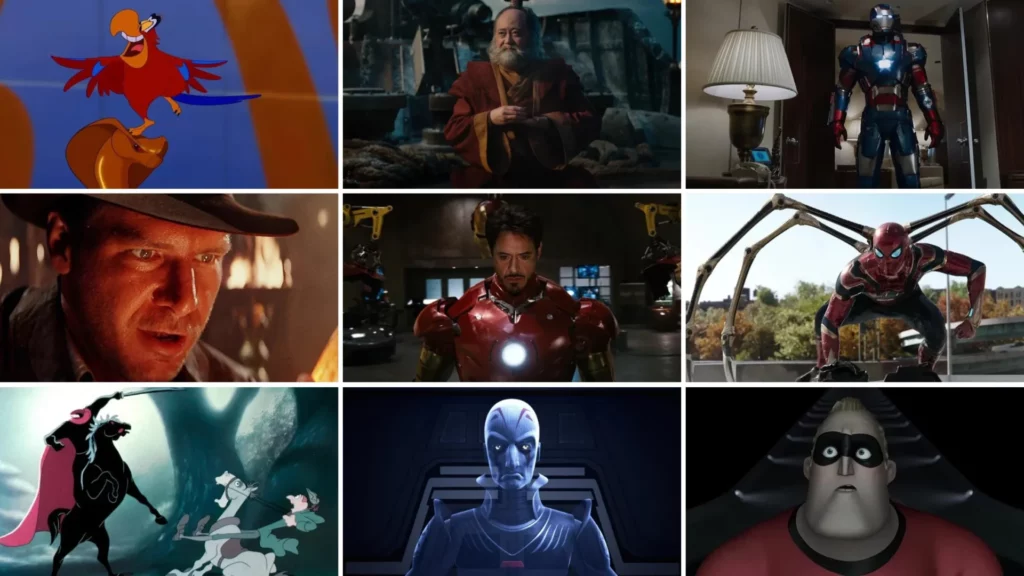
92 Best Fictional Characters That Start With B, Ranked
92 of the best fictional characters that start with B, ranked.

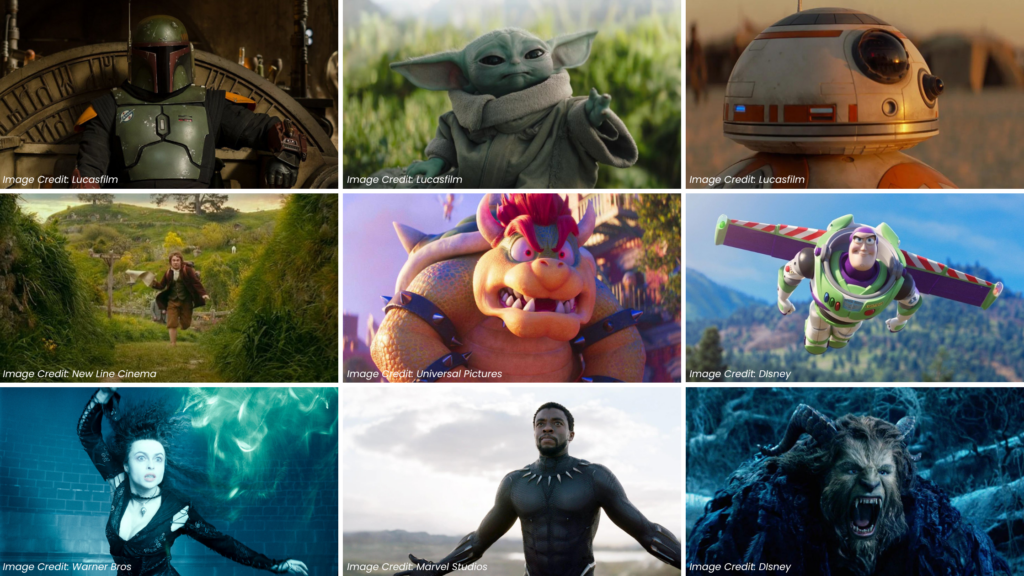
View summaryHide summary
92 fictional characters whose names start with B, from film, TV, anime, games and books. The top 10 are ranked: Batman, Bugs Bunny, Bart Simpson, Buzz Lightyear, Bilbo Baggins, Belle, Bowser, Buffy Summers, Boba Fett and Barbie.
After that come more iconic picks and the rest grouped by franchise. The FAQ covers the best-known B characters, with quick answers for Scattergories.
You’re here for a list of fictional characters that start with B, so that’s exactly what this is.
We’ve ranked 92 of them, from the heavy hitters like Batman and Bugs Bunny to deeper cuts across film, TV, anime, and games. The top 10 are ordered. The rest are grouped so you can find what you need fast.
B is one of the richest letters in fiction. It has arguably the most famous superhero ever drawn, the most famous rabbit ever animated, and the most famous doll ever sold. If you’re playing Scattergories, trying to remember a character name, or just seeing how deep the B-list goes, this should cover it.
Start at the top, or jump to what you need using the table of contents. This is one letter of a full A to Z: the letter A list is the place to start if you’re collecting the set.
Our Top 10 Characters That Start With B, Ranked
Batman (DC)
The Dark Knight
| Debut | Detective Comics #27 (1939) |
| Franchise | DC |
| Portrayed by | Adam West, Michael Keaton, Christian Bale, Ben Affleck, Robert Pattinson (among others), Kevin Conroy (animation) |
| Key works | The Dark Knight trilogy, Batman (1989), Batman: The Animated Series, The Batman (2022), the Arkham games |
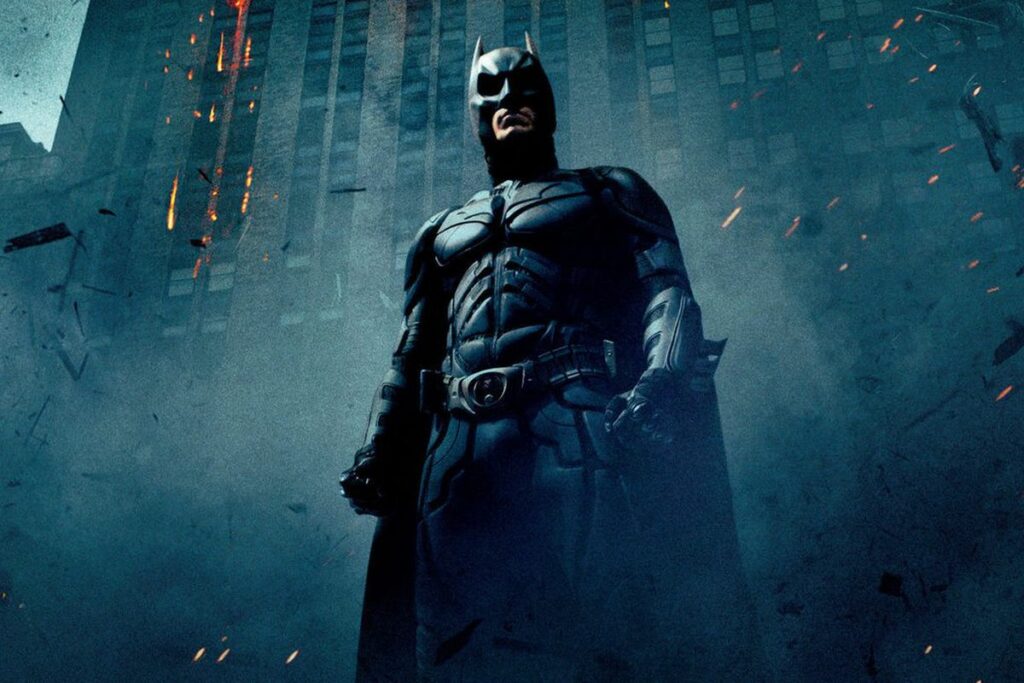
Batman is the easiest number one on any letter of this entire A to Z. Created by Bob Kane and Bill Finger in 1939, Bruce Wayne has now spent over 85 years as the definitive superhero without a single superpower to his name, and that absence is exactly the point. Anyone can theoretically be Batman. Nobody ever is.
No character on this list has proven more adaptable. He has been the camp 60s TV crusader, the gothic Tim Burton creation, Christopher Nolan’s crime-epic centrepiece, a LEGO figure with self-esteem issues, and the voice of Kevin Conroy across a decade of animation that many fans still consider the character’s finest form. Most characters survive one reinvention. Batman has been reinvented every decade since the war and come out stronger each time.
The supporting architecture matters too. Gotham, the Batcave, Alfred, the Rogues Gallery: no hero has a deeper bench around him, and half of his villains are more recognisable than other publishers’ heroes. The Dark Knight remains the film whose Best Picture snub pushed the Academy to expand the category in 2009, and the Arkham series raised the ceiling for superhero games in much the same way.
Bugs Bunny will have his supporters for the top spot, and it was closer than you’d think. But Batman carries films, games, comics, and animation simultaneously, and he has never once needed a carrot.
Bugs Bunny (Looney Tunes)
What's Up, Doc?
| Debut | A Wild Hare (1940) |
| Franchise | Looney Tunes |
| Voiced by | Mel Blanc (1940 to 1989), Eric Bauza (current) |
| Key works | Looney Tunes shorts, Who Framed Roger Rabbit, Space Jam (1996) |
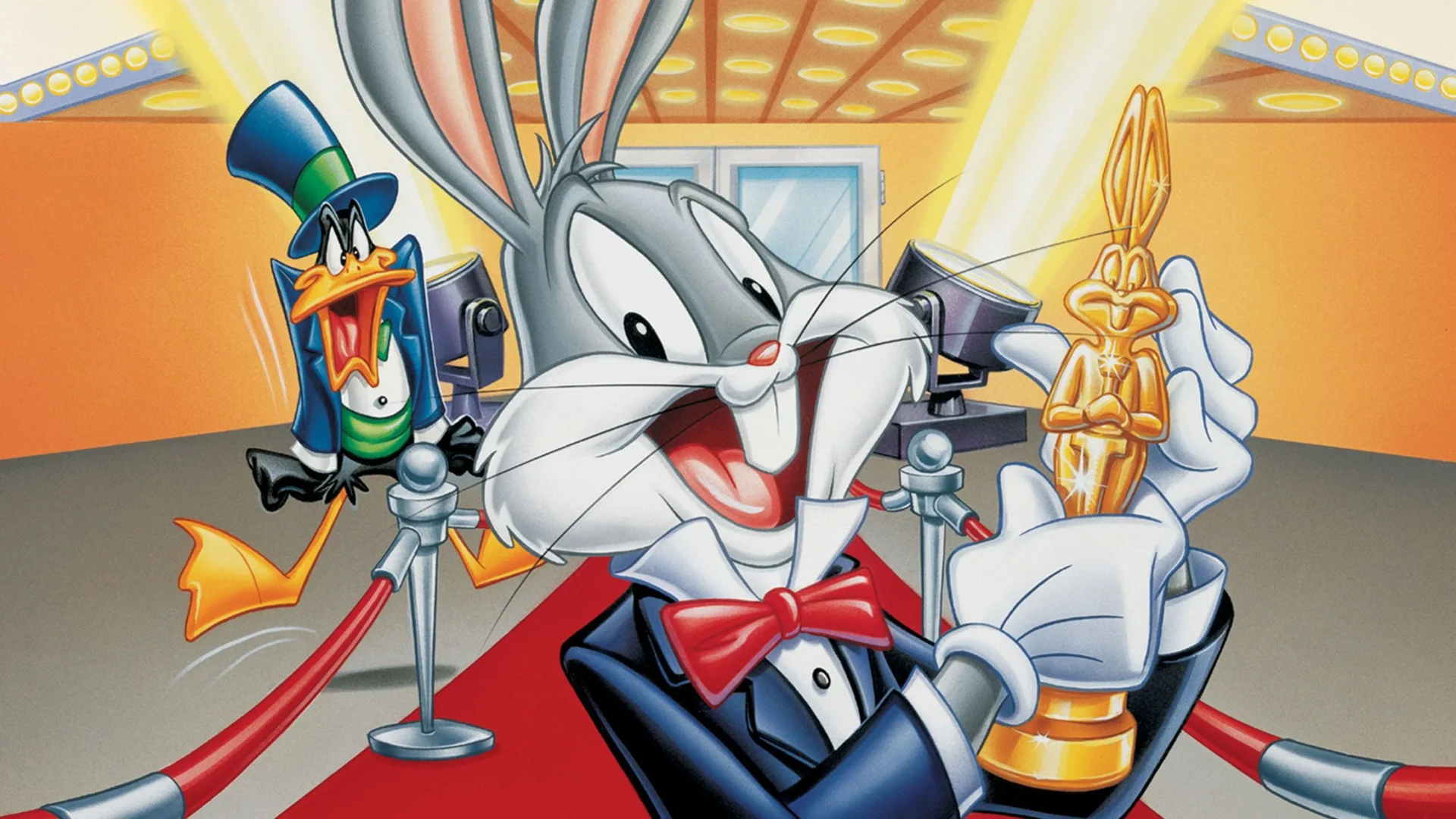
Bugs Bunny might be the most recognisable animated character on the planet, with apologies to a certain mouse. Officially debuting in 1940’s A Wild Hare, Bugs became the wisecracking heart of Looney Tunes and won an Academy Award for 1958’s Knighty Knight Bugs.
What separates Bugs from nearly every character on this list is that the joke always lands on whoever decides to pick a fight with him. Elmer Fudd, Yosemite Sam, Marvin the Martian: all of them walk into the same trap, which is assuming the rabbit is prey. Bugs then dismantles them with a calm that borders on aristocratic. Chuck Jones’s rule for the character was that Bugs had to be provoked before retaliating, and that single piece of discipline is why the formula never wore out.
His cultural reach is absurd for a character who mostly exists in seven-minute instalments. He has a star on the Hollywood Walk of Fame, he fronted Space Jam alongside Michael Jordan, and “What’s up, Doc?” is one of the most quoted lines in animation history.
The only reason he isn’t first is that Batman is still generating era-defining work today, while Bugs’s imperial phase belongs to the golden age of Hollywood animation. Second place, for a rabbit in seven-minute shorts, is a remarkable place to be.
Bart Simpson (The Simpsons)
Eat My Shorts
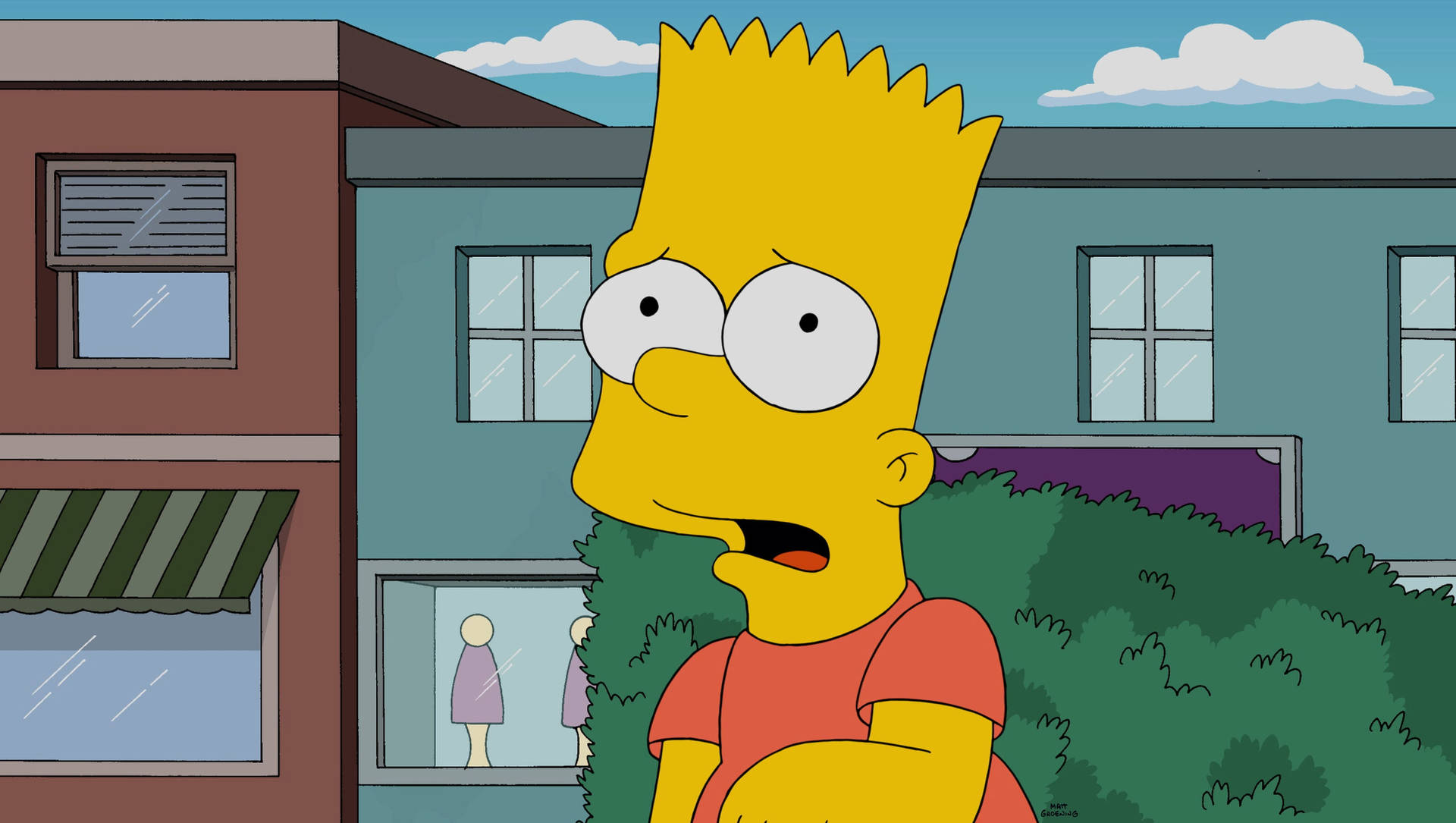
| Debut | The Tracey Ullman Show shorts (1987); The Simpsons (1989) |
| Franchise | The Simpsons |
| Voiced by | Nancy Cartwright |
| Key works | The Simpsons (35+ seasons), The Simpsons Movie (2007) |
Bart Simpson was, for a stretch of the early 90s, the most famous ten-year-old on Earth. He was on t-shirts banned by American schools, “Do the Bartman” was a UK number one single, and he turned “Eat my shorts” and “¡Ay, caramba!” into playground currency on both sides of the Atlantic.
Voiced by Nancy Cartwright since the Tracey Ullman shorts in 1987, Bart is the engine of The Simpsons’ early golden run. Homer became the show’s centre of gravity later, but the series broke through as a phenomenon on Bart’s back: the underachiever (“and proud of it”) who felt genuinely subversive at a time when American TV families still hugged at the end of every episode.
The character’s staying power is the interesting part. Bartmania faded, as all manias do, but the show never replaced him, because his role is structural. Bart is the id of Springfield, the one who tests every boundary the town has, and the show’s best episodes still tend to be the ones where his mischief collides with a genuine conscience underneath.
More than 35 seasons on, he remains the reference point for every animated troublemaker who followed. There’s a straight line from Bart to half the characters on this list, Bender included.
Buzz Lightyear (Toy Story)
To Infinity and Beyond
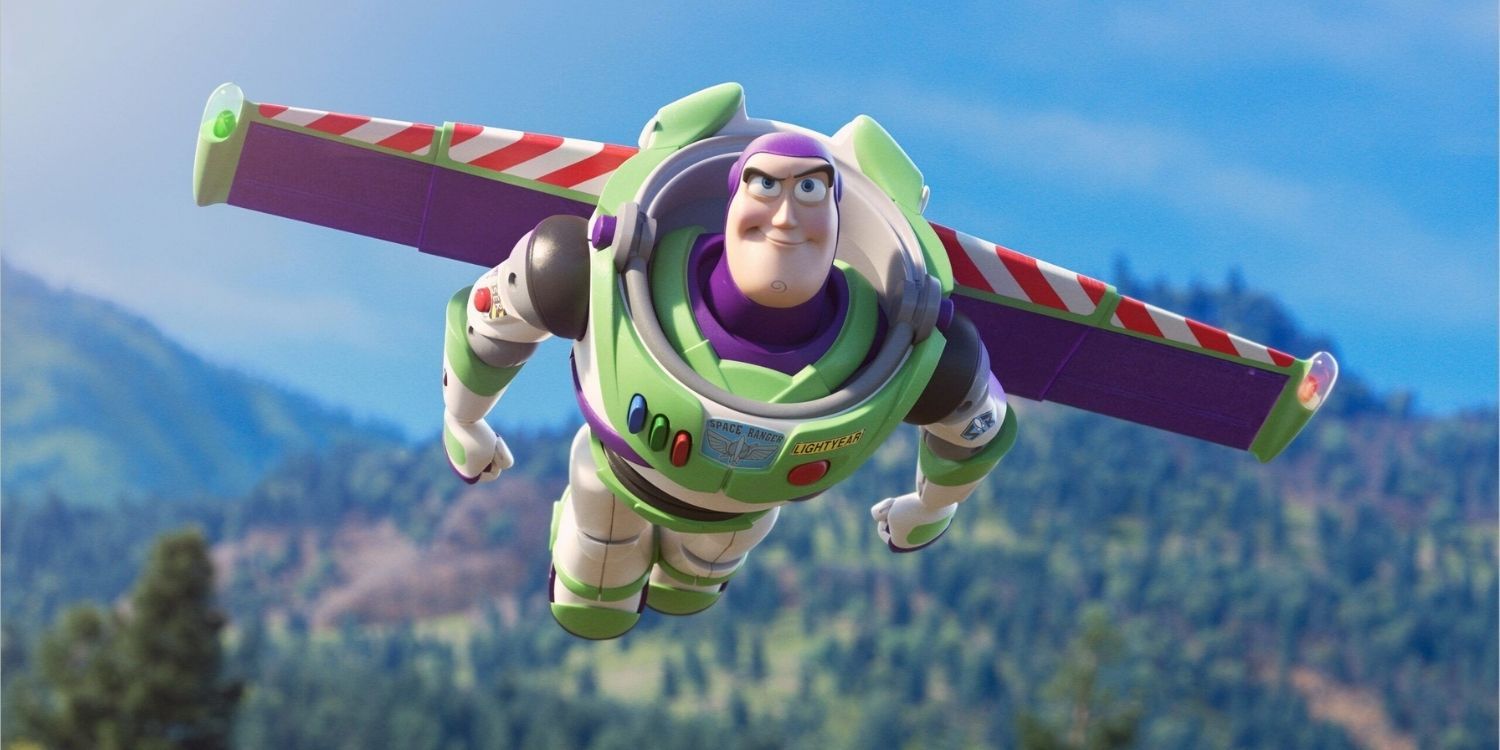
| Debut | Toy Story (1995) |
| Franchise | Toy Story / Pixar |
| Voiced by | Tim Allen; Chris Evans (Lightyear, 2022) |
| Key works | Toy Story 1 to 5, Lightyear (2022) |
Buzz Lightyear arrived in the first fully computer-animated feature film ever made and immediately became its most quotable creation. Toy Story is Woody’s film, but Buzz is its best idea: a toy who doesn’t know he’s a toy, played completely straight. The comedy comes from his conviction, and the pathos arrives the moment that conviction breaks. The scene where Buzz sees the TV advert and understands what he is remains one of Pixar’s most quietly devastating moments.
Tim Allen’s delivery deserves more credit than it usually gets. “To infinity and beyond” only became one of the most repeated lines in family cinema because Allen commits to it like a man reading a mission statement, not a catchphrase.
Buzz has now anchored the franchise across three decades, from the 1995 original through to this summer’s Toy Story 5, which opened to the biggest box office weekend of 2026. The spin-off Lightyear (2022) recast him with Chris Evans as the “real” space ranger the toy was based on, and its lukewarm reception mostly proved the point: the comedy lives in the delusion, and the delusion needs the toy box around it.
For a character built as a parody of square-jawed sci-fi heroes, outlasting most of the genre he was parodying is quite the career.
Bilbo Baggins (The Hobbit)
The Burglar of Bag End
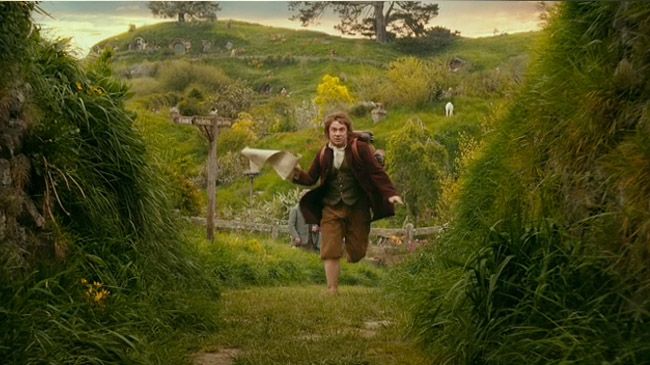
| Debut | The Hobbit (novel, 1937) |
| Franchise | Middle-earth |
| Portrayed by | Ian Holm, Martin Freeman |
| Key works | The Hobbit (novel and film trilogy), The Lord of the Rings |
Bilbo Baggins is where modern fantasy starts. Tolkien’s 1937 novel opens with him wanting nothing more than a quiet life and a full pantry, and by the end he has out-riddled Gollum, stolen a cup from a dragon, and carried home the ring that the entire Lord of the Rings hangs on.
The small, comfortable, thoroughly unheroic figure who gets swept into an adventure and finds his nerve is now the template for half of fantasy fiction, and Bilbo drew it first. But Bilbo works because he never fully converts. Even at his bravest, he’d still rather be home. That tension between the Tookish and Baggins sides of him is the whole character, and it’s why he’s more interesting than most of the warriors around him.
On screen he’s had the rare luck of two excellent custodians. Ian Holm made old Bilbo warm and faintly haunted in Peter Jackson’s trilogy, and Martin Freeman was the best thing in the Hobbit films by a distance, fussy and decent and quietly brave in exactly the right proportions.
Boromir and Bellatrix both made this list, but Bilbo is the only character from the Tolkien or Rowling universes to crack our top five. Sixty years before “unlikely hero” became a marketing category, he invented it.
Belle (Beauty and the Beast)
The Beauty Who Saw the Beast
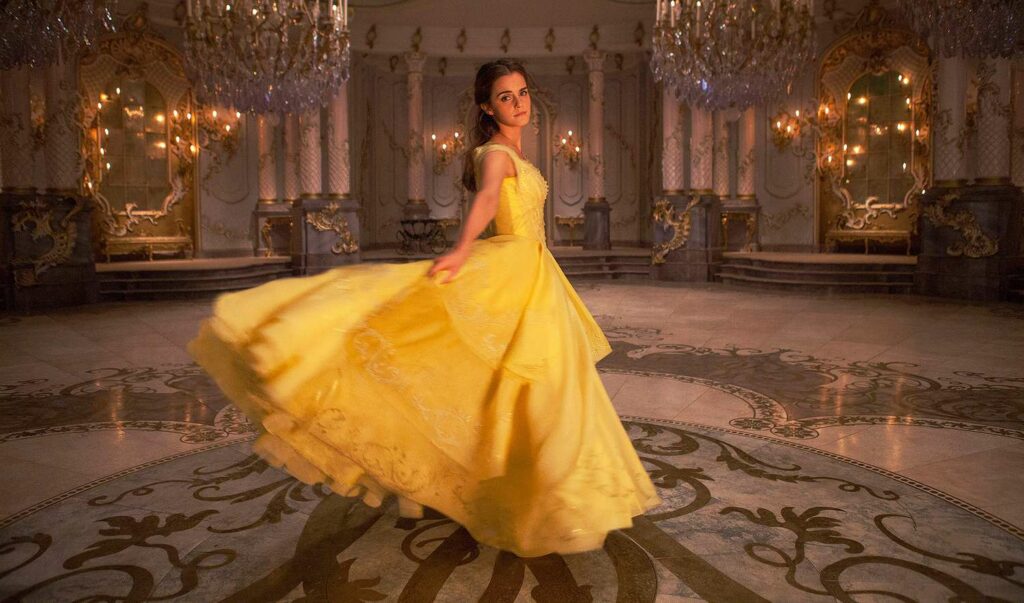
| Debut | Beauty and the Beast (1991) |
| Franchise | Disney |
| Portrayed by | Paige O’Hara (voice, 1991), Emma Watson (2017) |
| Key works | Beauty and the Beast (1991), Beauty and the Beast (2017) |
Belle fronted the film that changed what animation was allowed to be. Beauty and the Beast became the first animated feature ever nominated for Best Picture at the Oscars, back when the category had five slots and no animated film had come close. That doesn’t happen without a lead the Academy took seriously.
She’s routinely filed under “Disney princess”, but Belle sits apart from the era she arrived in. She’s introduced as the odd one in town because she reads, she rejects the local hero because he’s a boor, and her arc is about seeing past surfaces in a film where every other character is punished or rewarded for judging by them. Paige O’Hara’s performance gives her a spine that the princesses before her rarely had.
The 2017 live-action remake with Emma Watson made over $1.2 billion, which says plenty about the character’s pull even when the film around her is a photocopy.
Within Disney’s own canon, the argument between Belle and Ariel for the definitive Renaissance heroine will run forever. Ariel gets the better songs. Belle gets the better film, and she’s the one carrying a Best Picture nomination.
Bowser (Super Mario)
King of the Koopas
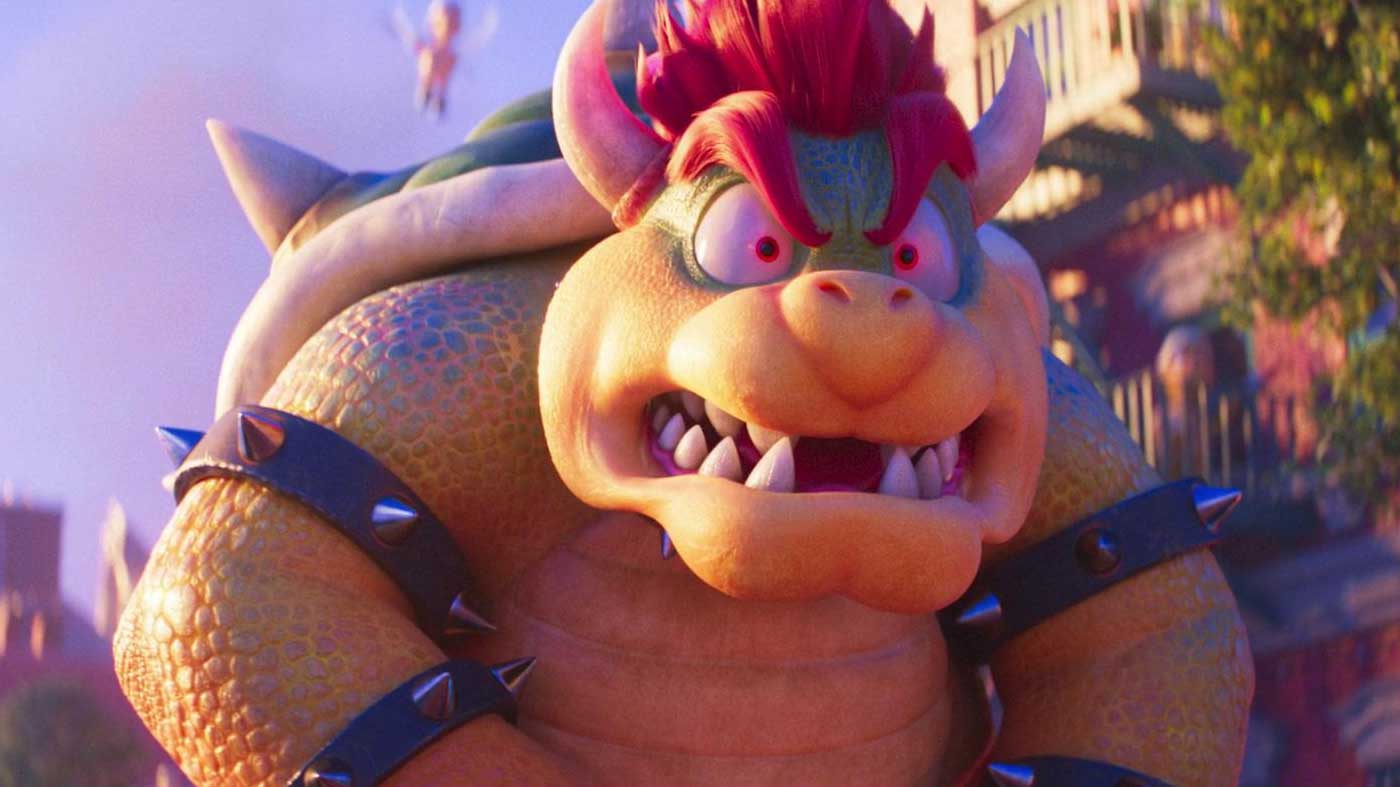
| Debut | Super Mario Bros. (1985) |
| Franchise | Super Mario / Nintendo |
| Voiced by | Kenny James (games), Jack Black (2023 film) |
| Key works | Super Mario Bros. (1985), Super Mario 64, the Mario Kart series, The Super Mario Bros. Movie (2023) |
Bowser is the most famous villain in video game history, and it isn’t close. He has been kidnapping Peach and breathing fire at Mario since 1985, which makes him the longest-serving antagonist on this entire list bar the comic book characters, and unlike them he’s been played by essentially one continuous depiction the whole time.
What’s quietly remarkable about Bowser is how much affection he’s accumulated for a character whose job is to lose. Four decades of defeats have turned him into something closer to a beloved rival than a threat: he races karts with Mario, plays tennis with him, turns up at his parties. Nintendo understood long ago that the audience loves the big angry turtle, and leaned in.
Then 2023 happened. The Super Mario Bros. Movie made over $1.3 billion, and the consensus best thing in it was Jack Black’s Bowser, a lovesick, piano-playing tyrant whose ballad “Peaches” became a chart hit in its own right. A 40-year-old game villain stole the biggest animated film of its year.
Highest-ranked video game character on this list, and the gap to the next one is comfortable.
Buffy Summers (Buffy the Vampire Slayer)
Into Every Generation, a Slayer Is Born
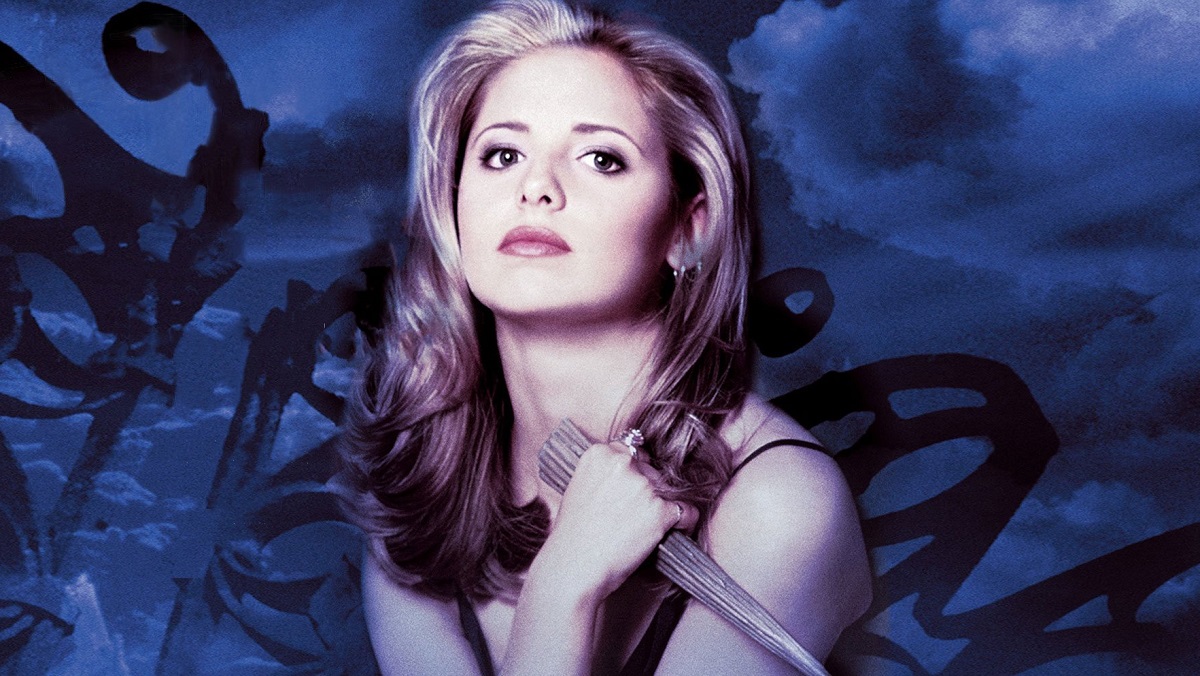
| Debut | Buffy the Vampire Slayer (film, 1992); series (1997) |
| Franchise | Buffy the Vampire Slayer |
| Portrayed by | Kristy Swanson (film), Sarah Michelle Gellar (series) |
| Key works | Buffy the Vampire Slayer (1997 to 2003), Angel |
Buffy Summers took a joke premise, the cheerleader who kills vampires, and became one of the most influential characters in television history. Sarah Michelle Gellar’s seven-season run turned the 1992 film’s punchline into the blueprint for two decades of genre TV: the quippy ensemble, the season-long “Big Bad”, the monster as metaphor for whatever adolescence is doing to you that week. Whole shows have been built from pieces of Buffy’s DNA.
The character earns her place here rather than the show. Buffy’s whole deal is the cost of being chosen: she wants a normal life with a fierceness that most chosen ones in fiction never show, and the series repeatedly makes her pay for the gap between the two. “The Body” and “Once More, with Feeling” are all-time episodes of television, and both only work because Gellar grounds them.
Academics took her seriously enough to build a small field around the show, complete with journals and conferences, which tells you how far past “cult hit” this character travelled.
A revival with Gellar attached was in the works at Hulu until it was shelved in March 2026. The original run’s influence doesn’t need it. That’s already permanent.
Boba Fett (Star Wars)
The Galaxy's Most Feared Bounty Hunter
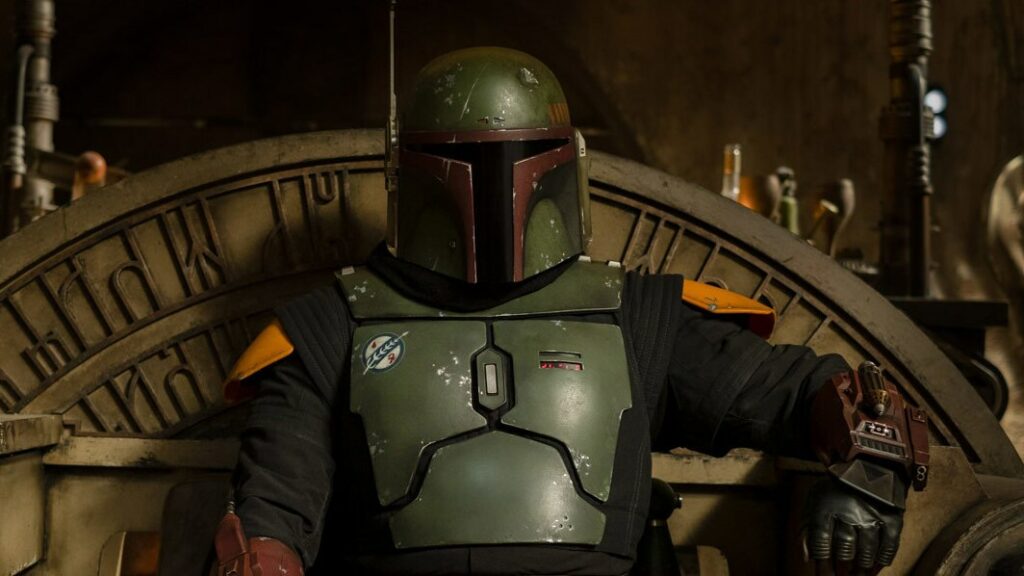
| Debut | The Star Wars Holiday Special (1978); The Empire Strikes Back (1980) |
| Franchise | Star Wars |
| Portrayed by | Jeremy Bulloch (original trilogy), Temuera Morrison (current) |
| Key works | The Empire Strikes Back, Attack of the Clones, The Mandalorian, The Book of Boba Fett |
Boba Fett is the strangest superstar in Star Wars. In the original trilogy he has a handful of lines and roughly six minutes of screen time, then falls into a sarlacc pit while a blind man accidentally knocks him in. On that CV, he became one of the most popular characters in the entire franchise.
The armour did most of the work, and that’s not a slight. Fett is the great case study in visual character design: the dented Mandalorian helmet, the jetpack, the cape that’s seen better days. He looked like he had a better film happening somewhere off screen, and fans spent 40 years wanting to watch it.
Disney eventually obliged. Temuera Morrison’s return in The Mandalorian, followed by The Book of Boba Fett in 2021, finally gave him a story of his own, with mixed results. The show around him wobbled, and it’s telling that its best episodes were the ones that handed the series back to Din Djarin. But the character’s pull was never really about narrative. He’s the coolest-looking person in a franchise built on cool-looking people.
The bounty hunter’s grip on the fandom remains a great reminder that mystery is a feature. The less Star Wars explained him, the bigger he got.
Barbie (Barbie)
Life in Plastic
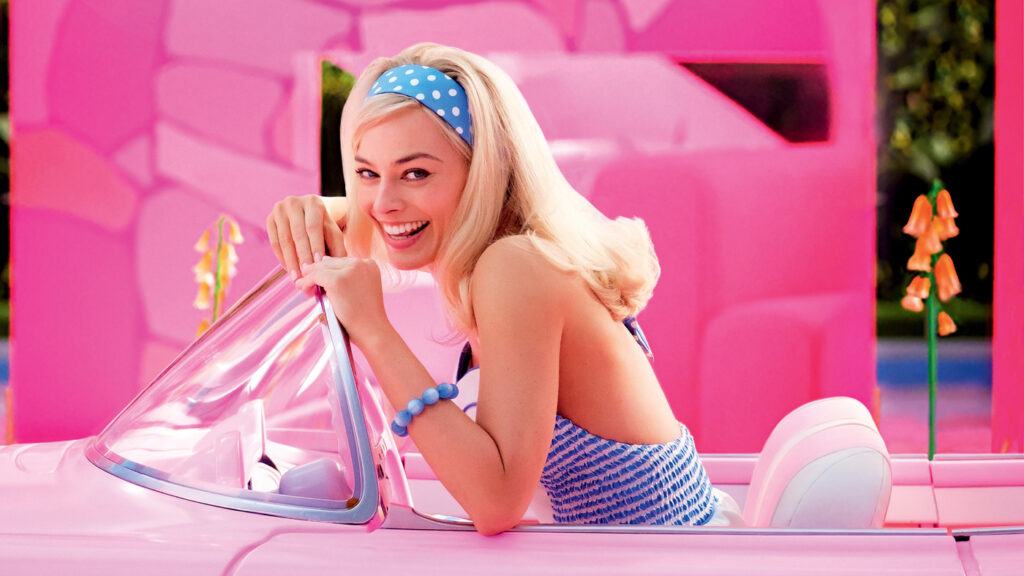
| Debut | Barbie doll (1959); animated films from 2001 |
| Franchise | Barbie / Mattel |
| Portrayed by | Margot Robbie (2023) |
| Key works | Barbie (2023), the animated film series (2001 onwards) |
Barbie has been a cultural argument for over 65 years, which is its own kind of achievement for a character who started as eleven and a half inches of moulded plastic. The doll debuted in 1959, the straight-to-video animated films built a generation of childhood nostalgia from 2001 onwards, and then Greta Gerwig’s 2023 film turned all of it, the history, the baggage, the pink, into the biggest film of the year.
Barbie (2023) made $1.44 billion, became Warner Bros’ highest-grossing film ever, and did it with a script that took the character’s contradictions seriously instead of sanding them off. Margot Robbie’s performance is a difficult thing done well: playing an idea that’s becoming a person, without letting either half collapse into parody.
The reason Barbie makes this list’s top 10 while other toy-based characters wait in the tiers below is that she’s the rare one whose fiction is about what she is. Buzz Lightyear doesn’t know he’s a toy. Barbie knows exactly what she is, and the interesting stories have always come from what the world decided she meant.
“Stereotypical Barbie” is a late arrival to the top table of fictional characters. The queue behind her at Mattel suggests she won’t be the last, but she’ll be hard to top.
More Iconic Fictional Characters Starting With B
Bambi
The Prince of the Forest
Bambi is the reason half the internet has trauma about off-screen gunshots. Disney’s 1942 film follows the young deer from wobbling fawn to prince of the forest, and the death of his mother remains one of the most formative shocks in family cinema, referenced and parodied so often that people who’ve never seen the film flinch at it. The animation itself, built on months of studying real deer movement, still holds up as some of the studio’s most beautiful nature work. “Bambi effect” is now an actual term for the way audiences respond to cute animals in peril. Not bad for a character with barely any dialogue.
BoJack Horseman
The Horse from Horsin' Around
BoJack Horseman is the washed-up star of a 90s sitcom trying to matter again in a Hollywood that’s moved on, and across six seasons his show quietly became one of the sharpest portraits of addiction and self-sabotage that television has produced, animated or otherwise. Will Arnett’s performance walks a line the writing demands: BoJack is funny enough that you keep forgiving him, and the series is honest enough to ask why you keep doing that. “The View from Halfway Down” sits comfortably among the best TV episodes of its decade. A talking horse cartoon had no business cutting this deep, and that’s precisely the trick of it.
Baby Yoda, AKA Grogu
The Child
Yes, his name is Grogu, which technically starts with G. He earns his place here anyway, because the world met him, loved him, and merchandised him as Baby Yoda, and that’s the name this list’s readers will look for. The Child was the breakout star of The Mandalorian within about 45 minutes of the show launching in 2019, a fifty-year-old toddler of Yoda’s species whose every head-tilt generated a thousand gifs. He has since graduated to the big screen alongside Din Djarin in this year’s The Mandalorian and Grogu. Few characters this century have been this famous while saying this little.
Bluey
The Blue Heeler from Brisbane
Bluey is the biggest kids’ TV character of her generation, and the rare one whose show parents genuinely watch on their own. The six-year-old blue heeler from Brisbane fronts seven-minute episodes about imaginative play that regularly smuggle in more emotional intelligence than most prestige dramas manage in an hour. Bluey was the most-watched streaming show in the United States in 2024 by Nielsen’s count, an extraordinary feat for an Australian pre-school programme. Episodes like “Sleepytime” and “Baby Race” have a permanent residency in “cartoons that made adults cry” threads, and the character’s reach across the UK, where the BBC co-funded her rise, is total.
Basil Fawlty
The Worst Hotelier in Torquay
Basil Fawlty is British comedy’s greatest monster: a Torquay hotelier who despises his guests, fears his wife, and treats every minor inconvenience as a personal declaration of war. John Cleese made just twelve episodes of Fawlty Towers between 1975 and 1979, and that restraint is part of why every one of them is quotable. The goose-step walk, “don’t mention the war”, the thrashing of the broken-down car with a tree branch: these are permanent fixtures of the British comedy canon. Fawlty Towers topped the BFI’s 2000 poll of the greatest British television programmes, and Basil is the reason. The funniest B on this list.
Black Panther
The King of Wakanda
T’Challa made history twice. On the page, he was mainstream American comics’ first Black superhero, debuting in Fantastic Four #52 in 1966. On screen, Chadwick Boseman’s Black Panther carried the first superhero film ever nominated for Best Picture, a cultural event whose “Wakanda Forever” salute crossed over into stadiums and playgrounds worldwide. The character is a genuinely distinct proposition within Marvel: a king first and a superhero second, whose conflicts are usually about statecraft rather than crime-fighting. Boseman’s death in 2020 gave the role a legacy no franchise planned for, and the character now carries a weight beyond fiction.
Bruce Banner, AKA The Hulk
The Strongest One There Is
Bruce Banner is the superhero genre’s best walking metaphor: the mild physicist whose anger turns him into something he can’t control, created by Stan Lee and Jack Kirby in 1962 with Jekyll and Hyde fingerprints all over him. The character has had a bumpier screen history than his profile suggests, cycling through Eric Bana, Edward Norton, and finally Mark Ruffalo, who made the double act work by playing Banner as the Hulk’s exhausted carer. “I’m always angry” remains one of the MCU’s best single lines because it reframes the entire character in three words. The lonely piano theme from the 70s TV series still follows him around as a cultural memory.
Beetlejuice
The Ghost with the Most
Beetlejuice is in the film that bears his name for less than 20 minutes, and owns every second of it. Michael Keaton’s bio-exorcist is pure chaos in a striped suit: crude, unscrupulous, and completely magnetic, the character who proves how far you can get on pure comic voltage. Tim Burton’s 1988 original spun off a cartoon series, a stage musical that became a Broadway fixture, and a 2024 sequel, Beetlejuice Beetlejuice, that delivered one of the biggest September openings in box office history. Say his name three times and he still turns up, 35+ years later.
Bender
Bite My Shiny Metal…
Bender Bending Rodríguez is Futurama’s alcohol-powered, chain-smoking, serially larcenous robot, and the show’s best comic engine. Built to bend girders and repurposed for petty crime, Bender is what happens when you give a machine free will and it immediately chooses vice. John DiMaggio’s gravelly delivery turned “Bite my shiny metal…” into one of animation’s great unfinished catchphrases. The character works because underneath the kleptomania and the ego is a robot who’d (reluctantly, and while denying it) die for Fry. Futurama’s repeated resurrections across four networks and streaming platforms owe plenty to the fact that audiences simply refuse to let Bender go.
Baymax
Your Personal Healthcare Companion
Baymax is a masterstroke of character design: an inflatable healthcare robot whose entire silhouette is a hug. Disney’s 2014 film Big Hero 6 won the Oscar for Best Animated Feature largely on the strength of the relationship between grieving teenager Hiro and the soft white machine his brother built, a robot whose most heroic quality is that he cannot stop caring. The fist-bump “ba-la-la-la” became an instant piece of shared vocabulary. In a decade full of sardonic robots (see: Bender, three entries up), Baymax’s radical sincerity is the bolder creative choice, and the more memorable one.
Bellatrix Lestrange
The Dark Lord's Most Faithful
Bellatrix Lestrange is the Harry Potter series’ most purely frightening human villain, because unlike Voldemort she’s having fun. Azkaban never dulled her devotion to the Dark Lord; it fermented it. She kills Sirius Black, tortures Neville’s parents into St Mungo’s, and treats the Battle of Hogwarts like a night out. Helena Bonham Carter plays her with a gleeful, unhinged relish that makes every scene she’s in feel dangerous, and Molly Weasley’s “Not my daughter” takedown only lands as hard as it does because the films spent four instalments making Bellatrix feel untouchable. The best evidence that a henchwoman can out-menace her master.
Boromir
The Son of Gondor
Boromir is the most human character in The Fellowship of the Ring, which is to say the weakest and the most forgivable. The Ring works on everyone, but it gets to Boromir first because he has the most to lose: a fading city, a father drowning in expectation, and the soldier’s belief that a weapon should be used. Sean Bean’s performance made a character readers had spent decades judging into a tragic figure, and his death, arrows and all, is arguably the emotional peak of the entire film trilogy. “One does not simply walk into Mordor” gave him a strange second life as one of the internet’s foundational memes.
Barney Stinson
Legen… Wait for It…
Barney Stinson is the character who ate How I Met Your Mother. Introduced as the suit-wearing id of the friend group, Neil Patrick Harris’s serial schemer, author of the Bro Code and the Playbook, became the show’s quote factory: “legendary”, “suit up”, “challenge accepted”, all his. The character is a period piece now, and knowingly so even at the time, but Harris’s delivery keeps the writing’s best inventions alive. The Playbook’s cameo return in How I Met Your Father and a thousand recycled gifs suggest Barney’s cultural half-life is running well past the show’s finale, which famously satisfied almost nobody.
Bridget Jones
The Singleton of Borough
Bridget Jones started as Helen Fielding’s newspaper column, became the defining novel of 90s single life, and then turned Renée Zellweger into an unlikely national treasure on this side of the Atlantic. The blue soup, the reindeer jumper, the diary entries counting cigarettes and calories: Bridget’s disasters endure because they’re specific, and because the character refuses to be humiliated into changing. Four films in, including 2025’s Mad About the Boy, she has outlasted every romcom trend that was supposed to replace her. The most quietly influential British film character of her era, and the standard-bearer for an entire genre.
Betty Boop
The Jazz Age Flapper
Betty Boop is one of animation’s first true stars and its first pin-up, a Jazz Age flapper created by Max Fleischer in 1930 who appeared in over 90 theatrical cartoons before the decade was out. Her early shorts were surreal, musical, and surprisingly risqué, until Hays Code enforcement arrived in 1934 and censored her wardrobe, her dances, and most of her personality. That history makes her a fascinating artefact as well as a character: you can read the tightening of American public morals directly off her hemline. “Boop-oop-a-doop” survives as shorthand for the entire era, and her merchandising empire never went away.
Borat
Very Nice!
Borat Sagdiyev is Sacha Baron Cohen’s fake Kazakh journalist, and one of the most fearless comic creations of the century. Developed on Da Ali G Show and unleashed in the 2006 film, Borat is a Trojan horse: the character’s cheerful ignorance exists to coax real people into revealing what they actually think when they believe nobody who matters is watching. The 2020 sequel proved the trick still worked 14 years later, winning Golden Globes for the film and for Baron Cohen, and putting Rudy Giuliani in a scene he’s still explaining. “Very nice!” and “my wife” remain permanent fixtures of the impression circuit. High-wire comedy with a body count of reputations.
Buddy the Elf
Son of a Nutcracker
Buddy the Elf is the last untouchable Christmas character the movies have produced. Will Ferrell’s human raised by elves at the North Pole arrived in 2003, and Elf has since settled into the festive rotation alongside films decades older, an achievement no Christmas comedy since has managed. The character is a one-joke premise, wide-eyed sincerity dropped into cynical New York, sustained entirely by the total commitment of the performance: the four food groups speech, the mailroom scene, “SANTA! I know him!” Buddy earns his slot on quotability alone, and every December the algorithm agrees.
Bumblebee
The Autobots' Scout
Bumblebee is the heart the Transformers franchise keeps returning to when it wants audiences to feel something. The yellow scout who lost his voice in battle and speaks through radio clips became the emotional anchor of Michael Bay’s films, and then proved he could carry his own: 2018’s Bumblebee, set in 1987 with a VW Beetle and a Hailee Steinfeld friendship at its centre, is comfortably the best-reviewed film in the series. A war machine that communicates in pop songs is a lovely piece of character invention, and it’s why he outranks his own leader in most fans’ affections.
Characters Beginning With B, By Franchise
Disney & Pixar
| Character | One-line take |
|---|---|
| Baloo | The Jungle Book’s laid-back bear, whose “The Bare Necessities” is still Disney’s best philosophy lecture. |
| Beast | The cursed prince of Beauty and the Beast, proof Disney could make its love interest the character study. |
| Bagheera | The panther doing all the actual parenting in The Jungle Book while Baloo has fun. |
| Boo | The toddler who dismantled Monsters, Inc.’s entire economy by not being scary. |
| Bo Peep | Toy Story’s porcelain shepherdess, reinvented in Toy Story 4 as the franchise’s most capable survivor. |
| Bruno Madrigal | Encanto’s misunderstood uncle. We don’t talk about him, apart from the billion streams of the song. |
| Bing Bong | Inside Out’s forgotten imaginary friend and the single most efficient tear-jerker in the Pixar canon. |
| Bolt | The white shepherd who thought his TV superpowers were real, from Disney’s underrated 2008 turning point. |
| Bashful | The blushing dwarf from Disney’s first-ever animated feature in 1937. |
Harry Potter
| Character | One-line take |
|---|---|
| Bill Weasley | The eldest, coolest Weasley: curse-breaker, werewolf-scarred, and married to Fleur Delacour. |
| Buckbeak | The hippogriff who taught a generation about respecting dangerous animals and dive-bombed Draco Malfoy. |
| Barty Crouch Jr | The Death Eater who spent Goblet of Fire disguised as Mad-Eye Moody, played with tongue-flicking menace by David Tennant. |
Lord of the Rings & The Hobbit
| Character | One-line take |
|---|---|
| Bard the Bowman | The grim archer of Lake-town who brings down Smaug with a single black arrow. |
| Balin | The kindest of Thorin’s company, whose tomb in Moria gives Fellowship its most sombre moment. |
Star Wars
| Character | One-line take |
|---|---|
| BB-8 | The sequel trilogy’s rolling droid and its best piece of design, expressive with nothing but beeps and a swivelling head. |
| Bo-Katan Kryze | The Mandalorian heir apparent who went from Clone Wars animation to claiming the Darksaber in live action. |
| Bossk | The reptilian bounty hunter glowering behind Boba Fett in Empire, a cult favourite on costume alone. |
| Bail Organa | Leia’s adoptive father and the quiet architect of the Rebel Alliance. |
Marvel
| Character | One-line take |
|---|---|
| Bucky Barnes | Captain America’s best friend turned brainwashed Winter Soldier, the MCU’s best-executed heel turn. |
| Black Widow | Natasha Romanoff, founding Avenger and master spy, who finally got her own film a decade late. |
| Ben Parker | Uncle Ben. With great power came the most retold death in comics. |
| Blade | The vampire hunter whose 1998 film quietly started the modern superhero movie era before X-Men or Spider-Man. |
| Beast (X-Men) | The blue-furred genius of the X-Men, equal parts Shakespeare quotes and acrobatics. |
DC
| Character | One-line take |
|---|---|
| Barry Allen | The definitive Flash, whose Silver Age debut in 1956 effectively started the modern superhero era in comics. |
| Black Canary | The scream that levels buildings and one of DC’s longest-serving heroines, from 1947 to the Birds of Prey. |
| Bane | The strategist who broke Batman’s back in the comics and stole The Dark Knight Rises with a voice nobody could place. |
| Beast Boy | The Teen Titans’ green shapeshifter and the team’s designated comic relief with hidden depths. |
| Brainiac | The Kryptonian-adjacent AI who shrinks cities and rivals Lex Luthor as Superman’s defining enemy. |
| Booster Gold | The glory-hunting time traveller who’s secretly one of DC’s most sincere heroes. |
Anime & Manga
| Character | One-line take |
|---|---|
| Bulma | Dragon Ball’s genius inventor and its longest-serving human character, there since chapter one in 1984. |
| Broly | The Legendary Super Saiyan whose 2018 canon reboot turned a meme villain into a box office draw. |
| Katsuki Bakugo | My Hero Academia’s explosive rival, the rare shonen antagonist-classmate the fandom rates above the hero. |
| Brook | One Piece’s undead musician: a skeleton with an afro, a sword cane, and a tragic backstory that ambushes you. |
| Buggy | One Piece’s clown pirate who keeps failing upwards, from Shanks’s crewmate to accidental Emperor of the Sea. |
| Boa Hancock | The Pirate Empress whose devotion to Luffy is one of One Piece’s longest-running jokes. |
Sitcoms & TV
| Character | One-line take |
|---|---|
| Betty Cooper | Riverdale’s girl next door, whose serial-killer-gene subplot summed up that show’s entire deranged appeal. |
| Brian Griffin | Family Guy’s martini-drinking, novel-writing dog and Seth MacFarlane’s most self-aware creation. |
| Bob Belcher | The long-suffering heart of Bob’s Burgers, a rare sitcom dad defined by loving his weird family. |
| Barney Rubble | Fred Flintstone’s loyal next-door neighbour since 1960, half of TV’s original double act. |
| Big Bird | Sesame Street’s eight-foot canary, gently teaching pre-schoolers since 1969. |
| Blackadder | Edmund Blackadder, four eras of British history’s most sarcastic schemer, each incarnation smarter than the last. |
| Mr Bean | Rowan Atkinson’s nearly wordless catastrophe magnet, Britain’s most successful comedy export by a mile. |
| Brienne of Tarth | Game of Thrones’ truest knight, whose knighting scene is one of the show’s few universally loved late moments. |
| Bran Stark | The Stark who fell from a tower, became the Three-Eyed Raven, and somehow ended up on the throne. |
| Beavis and Butt-Head | MTV’s sniggering couch critics, the 90s’ most gloriously stupid double act. |
Video Games
| Character | One-line take |
|---|---|
| Bulbasaur | Pokémon number 001, the most loyal starter choice and the internet’s eternally underrated favourite. |
| Bayonetta | The witch who fights angels with guns in her heels, gaming’s campest and most confident heroine. |
| Big Boss | Metal Gear’s legendary soldier, whose fall from hero to villain spans the entire saga. |
| Booker DeWitt | BioShock Infinite’s debt-ridden detective at the centre of one of gaming’s most discussed endings. |
| Banjo | The honey bear with a bird in his backpack, star of the N64’s collect-a-thon golden age. |
| Bowser Jr | The Koopa King’s heir, permanently armed with a paintbrush and a grudge. |
Books & Literature
| Character | One-line take |
|---|---|
| Beowulf | The original monster-slayer of English literature, a thousand years before fantasy was a genre. |
| Boo Radley | To Kill a Mockingbird’s unseen neighbour, the novel’s quiet lesson in judging people you’ve never met. |
| Big Brother | The watching face of Orwell’s 1984, so culturally absorbed that reality TV borrowed his name. |
| Bertie Wooster | Wodehouse’s amiable idiot aristocrat, permanently rescued from his own engagements by Jeeves. |
Single-work icons
| Character | One-line take |
|---|---|
| Babe | The sheep-pig who wanted a different job. That’ll do, pig. |
| Billy Elliot | The Durham miner’s son who chose ballet, in the film that became a British cultural touchstone. |
| Brüno | Sacha Baron Cohen’s Austrian fashionista, the Borat follow-up that flew even closer to the sun. |
| Barry B. Benson | The Bee Movie’s litigious bee, reborn as one of the internet’s strangest and most persistent memes. |
| Benjamin Button | The man who aged backwards, from F. Scott Fitzgerald’s short story to David Fincher’s Oscar contender. |
Other notable mentions
| Character | One-line take |
|---|---|
| Ben Tennyson | The kid with the Omnitrix, Cartoon Network’s most bankable hero of the 2000s. |
| Bella Swan | Twilight’s centre of gravity, the character an entire publishing era was built around. |
| Buttercup | The toughest Powerpuff Girl, allergic to nothing except sincerity. |
| Bananaman | The banana-powered parody superhero, a lovingly ridiculous piece of 80s British animation. |
Best Characters Beginning With B for Scattergories Players
If you’ve landed here mid-game, here’s the cheat sheet. Scattergories scoring varies by edition, but the standard rule applies: your answer needs to be a character whose name starts with the rolled letter, and other players can challenge if they don’t recognise the answer. Some editions also award double points if your answer has multiple words all starting with the same letter, and unlike most letters, B is generous on that front.
- Batman (DC)
- Barbie (Barbie)
- Bart Simpson (The Simpsons)
- Bugs Bunny (Looney Tunes)
- Buzz Lightyear (Toy Story)
- Belle (Beauty and the Beast)
- Bilbo Baggins (The Hobbit)
- Bowser (Super Mario)
For double-letter bonus points
- Bugs Bunny
- Bilbo Baggins
- Bob Belcher (Bob’s Burgers)
- Bucky Barnes (Marvel)
- Betty Boop
- Big Bird (Sesame Street)
- Barry B. Benson (Bee Movie), a triple if your table allows middle initials
Scattergories is a trademark of Hasbro. This guide is unofficial fan content.
Frequently Asked Questions
Who is the most famous fictional character that starts with B?
The strongest case is Batman. He has been continuously published since 1939, adapted into era-defining films across six decades, and remains the most bankable superhero in cinema. Bugs Bunny is the credible challenger, and on pure face recognition worldwide he might edge it, but Batman’s reach across films, comics, games, and television is unmatched by any other B-name character.
What Disney characters start with B?
Disney’s B-roster is deep: Belle, Bambi, Baloo, Bagheera, the Beast, Boo, Bo Peep, Buzz Lightyear, Baymax, Bruno Madrigal, Bing Bong, Bolt, and Bashful all feature on this list. Belle ranks highest in our top 10, and Baymax and Bambi lead the next tier.
What cartoon characters start with B?
Bugs Bunny, Bart Simpson, Bender, BoJack Horseman, Bluey, Brian Griffin, Bob Belcher, Betty Boop, Beavis and Butt-Head, Buttercup, and Barney Rubble all start with B. Bugs Bunny ranks highest on our list, but Bluey is the biggest cartoon B-name of the current decade.
What female characters start with B?
Strong options include Belle, Barbie, Buffy Summers, Bellatrix Lestrange, Bridget Jones, Betty Boop, Black Widow, Bo Peep, Bulma, Bayonetta, Brienne of Tarth, and Bluey. Buffy and Belle make our top 10, and Barbie became the biggest box office draw of any character on this list in 2023.
What villains start with B?
Bowser, Bane, Bellatrix Lestrange, Beetlejuice (an anti-villain at best), Brainiac, Big Brother, Broly, and Barty Crouch Jr lead the B-villain roster. Bowser ranks highest on our list, and on longevity alone he’s the greatest video game villain of all time.
What’s a good Scattergories answer for the letter B?
For maximum defensibility, go with Batman, Barbie, Bart Simpson, Buzz Lightyear, or Bugs Bunny. All five have universal recognition. If your edition awards bonus points for names where multiple words share the letter, B is one of the best letters in the game: Bugs Bunny, Bilbo Baggins, Betty Boop, and Big Bird all double up.

George Patient
George is the founder and editor of Merch Mates, writing about film, TV, gaming and the Disney parks.
You might also like
67 Best Fictional Characters That Start With D, Ranked
67 Best Fictional Characters That Start With F, Ranked
83 Best Fictional Characters That Start With C, Ranked
85 Best Fictional Characters That Start With A, Ranked
107 Best Fictional Characters That Start With M, Ranked
67 Best Fictional Characters That Start With L, Ranked
48 Best Fictional Characters Beginning With J