Toy Story 5 review – a heartfelt return to form

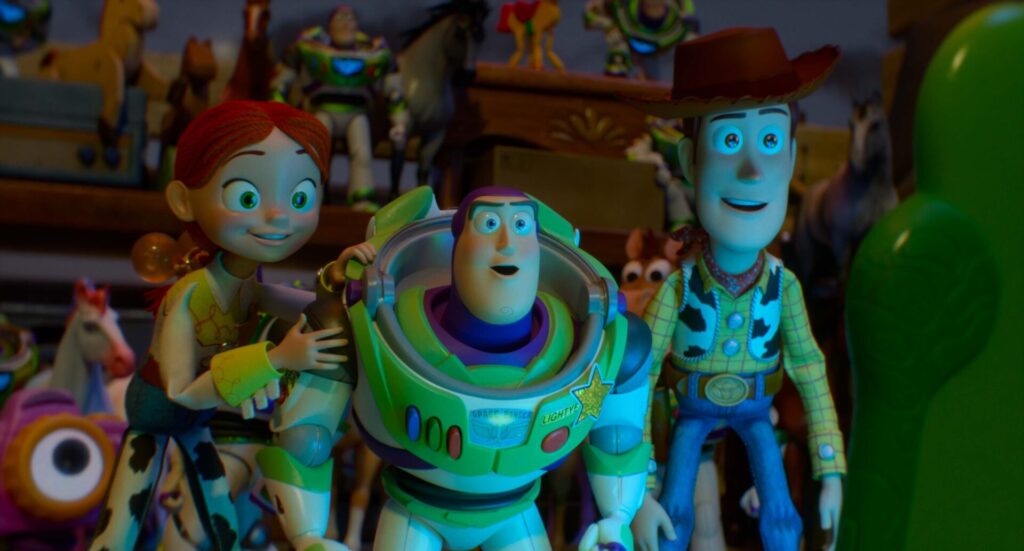
Jessie's overdue star turn makes a fifth Toy Story feel necessary.
Audience score2,231 ratings on TMDB
Toy Story 5 had every reason to feel unnecessary, and almost none of that worry survives contact with the film.
Seven years after Toy Story 4 closed Woody’s story with as much finality as a billion-dollar franchise will ever allow, the fifth film makes its case quickly and convincingly: by handing the reins to Jessie, leaning into a screen-time theme that could have been preachy and isn’t, and trusting Joan Cusack to carry the emotional weight she’s never quite been given before. It doesn’t reach the gut-punch of Toy Story 3, and it isn’t trying to. What it does instead is the most surprising thing a fifth entry could manage — it justifies its own existence. If you’re wondering whether it’s worth the ticket, the answer is yes, and take the kids who can’t put the tablet down.
What it gets right
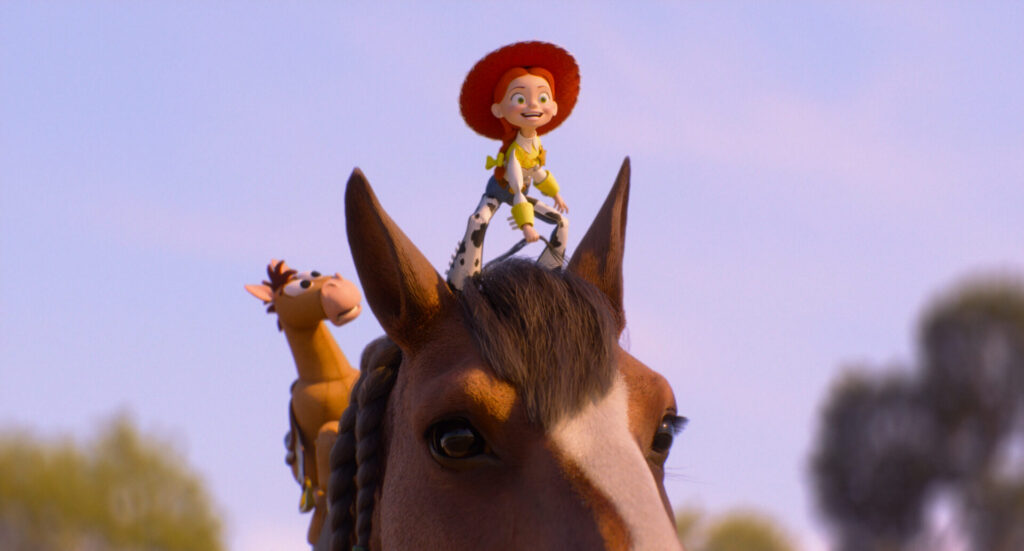
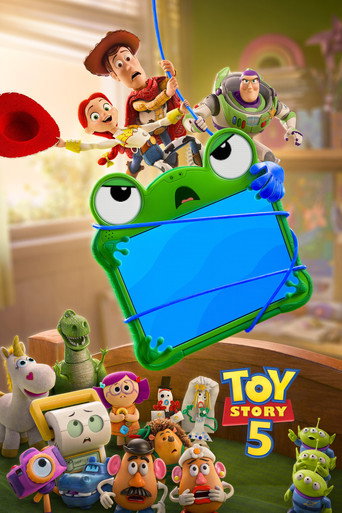
The smartest decision Toy Story 5 makes is structural, and it’s there in the opening act: this is Jessie’s film.
Set roughly two years after Toy Story 4, Bonnie has drifted from her toys towards a tablet, and it’s Jessie — not Woody — who feels the threat most sharply and drives the response to it. Putting her at the centre gives the franchise something it has quietly needed for two decades. Joan Cusack has voiced Jessie since 1999, mostly as the energetic second-tier favourite, and given a lead she brings a plucky warmth and a real undercurrent of vulnerability. The “When She Loved Me” sequence in Toy Story 2 proved Jessie could anchor genuine feeling. This is the first time a whole film is built on that.
The emotional beats land because the film slows down for them. Jessie’s fear runs deeper than a gadget. What frightens her is being needed, and the question of what happens to you when the thing that gave your life meaning moves on without you. That’s the franchise’s oldest and best theme, and routing it through Jessie rather than Woody keeps it from feeling like a retread of ground Toy Story 3 and 4 already covered.
Then there’s the animation, which is some of the most beautiful work Pixar has put on screen in years. The studio has had the technical ceiling for a long time, but a few sequences here genuinely show off — texture, light, and a tactile sense of how these toys move through a child’s world. It’s a film that rewards the biggest screen you can find it on.
And it’s funny. Properly funny, in the dry, character-first way the series has always done best, rather than the gag-a-second style that lesser animated sequels reach for. The humour serves the characters instead of interrupting them.
The screen-time message, and why it lands
This is where Toy Story 5 will divide people, and why I think Pixar got the messaging right here.
The premise — a tablet named Lilypad, “Lily” for short and voiced by Greta Lee, becomes the new favourite and threatens to make the toys obsolete — could have been a finger-wagging lecture about kids and screens. The easy version of this film treats the tablet as a villain and technology as the enemy. The more dishonest version pretends screens aren’t a real fixture of childhood at all. Toy Story 5 does neither.
Instead it argues for balance, and it earns the argument. Lily isn’t evil. She loves Bonnie. She wants Bonnie to make friends, hit her milestones, grow up well. The film’s resolution isn’t “throw the iPad away” — it’s that technology is brilliant for a great many things and a poor substitute for presence, for real play, for being in the room with the people who love you. As one line in the film puts it, “toys are for play, but tech is for everything.” The film’s whole project is gently disagreeing with the second half of that sentence.
That message matters more right now than a Toy Story sequel has any obligation to. For the generation of children growing up with a screen permanently within reach, and for the parents handing the screen over because the summer holidays are long and the day is hard, a film that says use the tools, don’t let the tools use you is doing something genuinely valuable. CNN’s health desk framed it well, pointing out that the film treats excess, not technology itself, as the real problem. NPR made the related point that the film gets at something true, because keeping kids off screens through a long summer is genuinely difficult, and Toy Story 5 knows it.
What keeps the message from curdling into a lecture is that it lands as observation rather than instruction, threaded through Jessie’s arc rather than bolted on as a moral.
The craft behind it
Toy Story 5 is directed by Andrew Stanton, with McKenna Harris co-directing. Stanton is returning to the franchise that helped build Pixar — he wrote on the original and directed Finding Nemo and WALL-E, two of the studio’s high-water marks. His instincts show in the restraint: this is a film confident enough to be quiet, to let an emotional beat sit, to make its argument without underlining it.
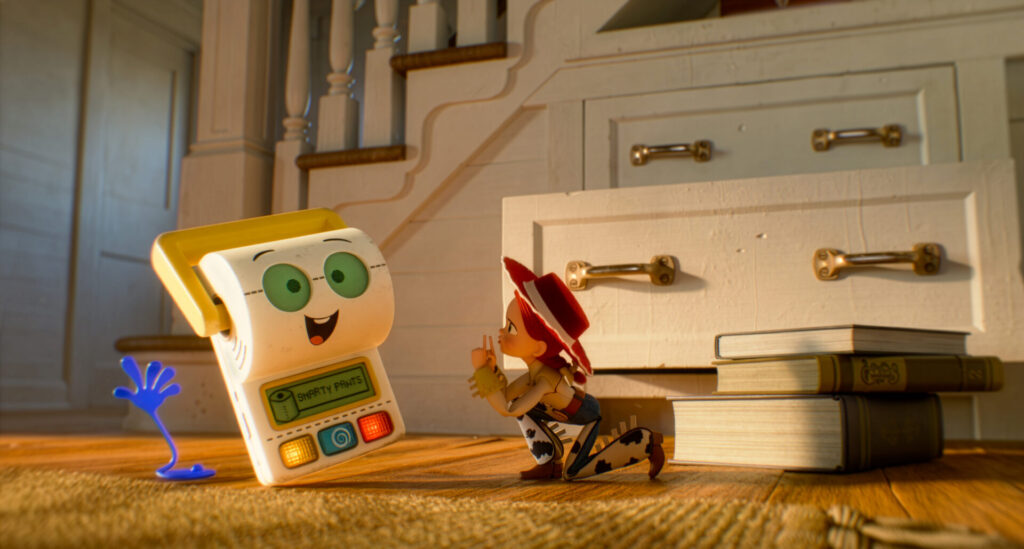
The voice cast does a lot of the heavy lifting. Tom Hanks and Tim Allen are reliably excellent as Woody and Buzz in supporting turns, but the film belongs to Cusack, and the decision to build around her is the single best call the production made. Among the new additions, Conan O’Brien voices Smarty Pants, a self-regarding potty-training toy who is exactly as pleased with himself as that description suggests, and a nice reminder the series can still find fresh comic territory in a toy box this familiar.
Should you watch it?
Yes, and see it in the cinema rather than waiting for Disney+. The animation is built for a big screen, and the emotional beats play better in a dark room than they will on a laptop with notifications sliding in at the edges, which, given the subject matter, would be a particular irony.
It’s the rare family film with a genuine reason to exist beyond the box office. Younger children will get the toys, the jokes, and the spectacle. Older kids, the tablet generation the film is quietly speaking to, might absorb the message without ever feeling lectured. And parents will find more in it than they’re expecting, both in the screen-time theme and in Jessie’s arc about being needed and then, slowly, being needed differently.
If you’ve checked out of the franchise because four films felt like enough, this is the one worth coming back for.
Is Toy Story 5 a worthy sequel?
Yes. It holds a Certified Fresh Rotten Tomatoes score and, while it sits slightly below the franchise’s near-perfect track record, it’s a smart, funny and genuinely moving entry. By handing the lead to Jessie and building around a timely screen-time theme handled with real nuance, it justifies its existence in a way few fifth films manage. It doesn’t reach the emotional peak of Toy Story 3, but it comes closer than most expected.
What is Toy Story 5 about?
Set around two years after Toy Story 4, the film follows the toys as Bonnie’s attention drifts towards a tablet named Lilypad — Lily — voiced by Greta Lee. Jessie takes the lead in responding to the threat the device poses, and the story becomes an exploration of the balance between screen time and real-world play — arguing that technology is a tool to be used well, not a replacement for presence and imagination.
How long is Toy Story 5?
The film runs approximately one hour and 42 minutes, making it one of the leaner entries in the franchise.
Is technology the villain in Toy Story 5?
No, and that’s central to why the film works. Lily, the tablet, isn’t evil — she genuinely cares about Bonnie. The film argues for moderation rather than rejection: technology is valuable for many things, but it shouldn’t crowd out friendship, imagination and real-world play. The message is about balance, not fear.
Is Toy Story 5 the last Toy Story film?
Nothing about the fifth film positions it as a definitive ending the way Toy Story 4 did for Woody, and Pixar has not announced it as the franchise’s last entry. As of release, no Toy Story 6 has been confirmed either but it a sixth film would make sense to conclude a trilogy focused on Bonnie in the same way Toy Story 3 concluded Andy’s trilogy.
Do you need to watch the other Toy Story films first?
It helps but isn’t essential. The emotional weight of Jessie’s arc lands harder if you know her history, particularly from Toy Story 2, but the film is accessible enough for a newcomer to follow. For the full effect, the previous four films are worth the time.
- Release
- 17 June 2026
- Runtime
- 102 minutes
- Director
- Andrew Stanton
- Writers
- Andrew Stanton, Kenna Harris
- Cast
- Tom Hanks, Tim Allen, Joan Cusack, Greta Lee, Conan O'Brien, Craig Robinson
Data and audience ratings from TMDB.

George Patient
George is the founder and editor of Merch Mates, writing about film, TV, gaming and the Disney parks.
You might also like

Candlelight: Disney Love Songs is coming to seven UK cities, from £15.50
The Odyssey review: One of Nolan’s best
Spider-Man: Brand New Day review – back at street level, where he belongs
All 5 Toy Story Movies, Ranked (Including ‘Toy Story 5’)
Star Wars: Maul – Shadow Lord season 1 review
Explained | Zootopia 2 Ending: What Comes Next?

The 15 Most Powerful Non-Force Users in Star Wars, Ranked