Is Body Armour in Movies and Games the Real Thing?

Popular culture often portrays body armour as impressive but impractical. Yet, armour has been a crucial tool for protection since its earliest days. The best armour, after all, balances functionality with freedom of movement.
Over time, traditional body armour has faded from everyday use, appearing mostly in games and media. But what fuels our fascination with armour today?
Look no further than its role in pop culture. From the strategic importance of armour in Age of Empires, where it enhances units and structures, to its iconic presence in games like Dark Souls and The Elder Scrolls, armour isn’t just gear—it’s a symbol of resilience and power.
Historical Context of Armour
If you’re an avid gamer curious about real-world armour, there’s a lot to unpack! For starters, armour in games often comes with historical inaccuracies. In many cases, it’s designed more for visual flair than practicality, with overly ornate details rarely seen in actual historical armour.
Additionally, games and movies tend to portray armour as bulky and restrictive, limiting movement. In reality, well-crafted armour was designed to balance protection with mobility. Defenders needed a full range of motion and reliable effectiveness in combat—a far cry from the cumbersome props often seen on-screen.
Buying Tactical Body Armor
When it comes to purchasing body armour, understanding its functionality and purpose is key. Body armour is designed to offer protection in high-risk situations while ensuring mobility and comfort. Advances in materials and engineering have made modern armour both durable and lightweight.
For those interested in tactical gear, Body Armor Outlet provides a range of options suited for various needs. From law enforcement to enthusiasts, exploring how armour is crafted to balance affordability and performance can help buyers make informed decisions.
Types of Armour Depicted in Movies and Games
Armour in movies and games often borrows from real-world designs but adds a layer of drama for visual appeal. Here’s a breakdown of some types of armour you might recognise and their real-life inspirations:
- Tactical Armour
Modern games like Call of Duty and movies such as John Wick feature tactical vests that protect while maintaining agility. In reality, vests like the IOTV (Improved Outer Tactical Vest) used by the U.S. military are engineered to accommodate ballistic plates while allowing mobility. They’re practical, lightweight, and far less exaggerated than what’s seen on-screen. - Tactical Helmets
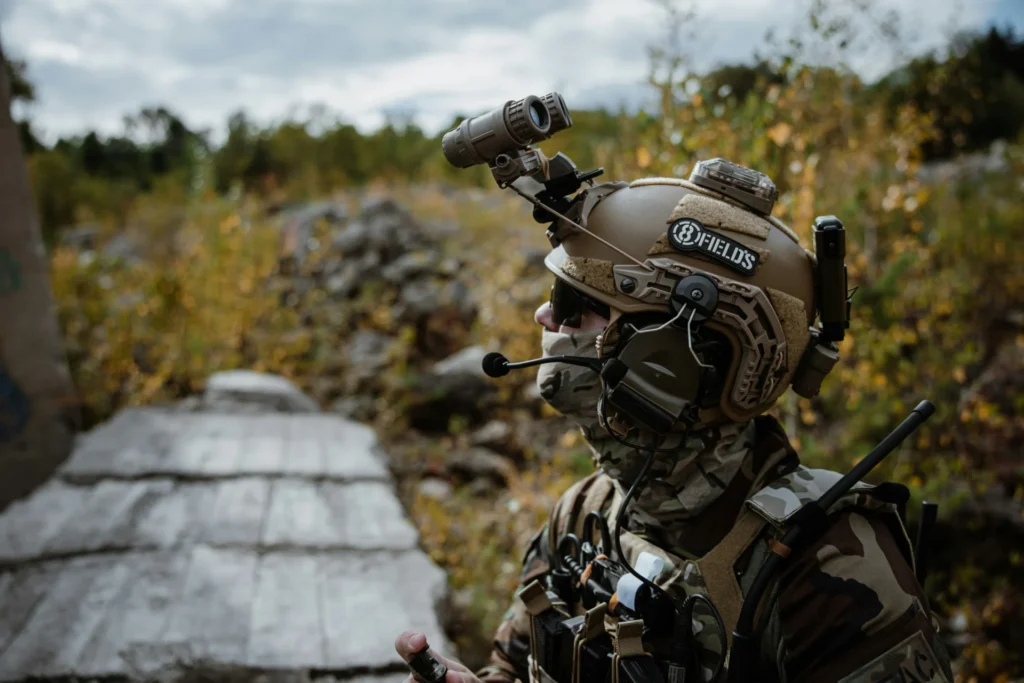
Helmets like the Advanced Combat Helmet (ACH) or Enhanced Combat Helmet (ECH) are often represented in games such as Rainbow Six Siege or movies like The Hurt Locker. These real-world helmets are designed for ballistic protection, featuring lightweight materials and suspension systems that enhance comfort—unlike their clunky or overly basic gaming counterparts. - Falcon Carrier
While not explicitly referenced in most games, gear like plate carriers (e.g., Crye Precision’s JPC 2.0) is often the real-world equivalent of modular armour systems seen in tactical shooters or RPGs like The Division. These carriers offer adaptability for attachments and protection while staying functional in combat scenarios.
By comparing these real-life examples to their in-game or cinematic representations, it becomes clear how artistic liberties are taken to enhance visual storytelling, often sacrificing practical details.
Notable Movies and Games Featuring Armour
Armour has always been a central element in storytelling, whether in sci-fi, post-apocalyptic settings, or fantasy adventures. Here are some iconic examples:
- Halo’s Mjolnir Powered Assault Armour
The Mjolnir armour worn by Master Chief in the Halo series is one of the most advanced sci-fi suits ever imagined. Designed for superhuman capabilities, it’s as iconic in gaming as the Spartan warrior himself. - Fallout’s T-51 Power Armour
The T-51 Power Armour is synonymous with the Fallout series. It’s the ultimate symbol of survival, designed to withstand radiation and serve as a protective exoskeleton in a nuclear wasteland. Its rugged design has made it an enduring fan favourite. - Dark Souls’ Heavy Armor Sets
The Dark Souls series is known for its intricate and functional armour designs. One standout is Smough’s Set, worn by the executioner boss in the first game. Its weight and defence stats reflect the brutal, heavy nature of combat in the game.
While these examples showcase fantastical designs, real-world equivalents, such as NIJ III+ steel plate armour or advanced ballistic shields, demonstrate how functionality takes precedence over aesthetics. These pieces serve as a reminder that real armour prioritises practicality while still inspiring the creative designs we see in movies and games.
The Future of Armour in Movies and Games
Advancements in technology, such as CGI and AI, are paving the way for creating even more visually stunning and intricate armour designs in movies and games. These developments allow for highly detailed and imaginative creations that push the boundaries of what armour can look like—on screen, at least.
In the real world, technological progress in materials, science and engineering is driving the development of more effective and practical armour for use in combat and protection. This evolution focuses on balancing comfort, adaptability, and advanced protection.
Conclusion
While real armour may lack the dazzling aesthetics of sci-fi designs seen in movies and games, its functionality and practicality are what make it remarkable. Fictional armour often takes inspiration from real-world advancements, blending reality with creative imagination.

George Patient
George is the founder and editor of Merch Mates, writing about film, TV, gaming and the Disney parks.
You might also like

How Gamers Are Using AI to Create Viral Gameplay Highlights

How to Unlock Achievements in Marvel Rivals

AI and Fashion Fantasy: Designing Clothes for Mythical Creatures and Alien Worlds

Designing Your Dream Game Room or Fan Cave in 2025

How to Create a Memorable Merch Table or Fan Booth

How to Travel Smart for Conventions, Gigs, or Tournaments

Craps on the Big Screen: Films That Made the Game Iconic