In The Spotlight | AURORA: 10 Years, Five Albums, and a Voice for Humanity
Ten years since her debut album, we take a proper look at what AURORA has built and why it resonates. Five albums, a new band with The Chemical Brothers' Tom Rowlands, and a community built on compassion, conviction, and music that means something.

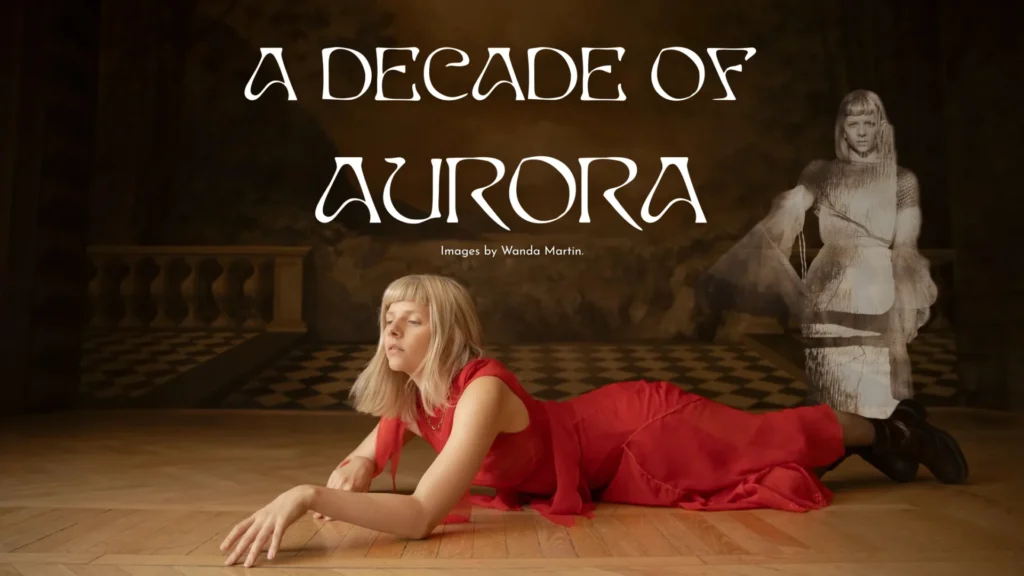
Most artists with billions Spotify streams got there through the backing of a machine built to manufacture attention. AURORA got there with a song she wrote in her bedroom in Os, Norway, before she was old enough to know what a streaming platform was.
On 11 March 2026, her debut album All My Demons Greeting Me as a Friend turns ten. In the years since, AURORA has released four more albums, toured the world, performed at iconic venues such as the Royal Albert Hall, and formed a band with one half of The Chemical Brothers. The audience she’s built — she calls them Warriors and Weirdos — is one of the most committed (& kind) in modern music.
This is the first Spotlight feature at Merch Mates, and there was never a question about who should go first. I came to AURORA’s music sideways — through her Like A Version sessions for Triple J, where her covers of Massive Attack and The Beatles stopped me cold. I went through her catalogue that same week, and I haven’t left. The deeper you go with AURORA, the more you find. That’s the mark of an artist who has something to say, and ten years in, she’s still saying it.
Ten Years of AURORA
There are artists who entertain us, artists who move us, and then there are artists who fundamentally alter the way we see the world. Aurora Aksnes, known as AURORA, belongs firmly in that third category. The Norwegian singer-songwriter has spent the better part of a decade crafting a body of work that defies easy categorisation.
Aurora’s breakthrough came with ‘Runaway’, a song she’d written years earlier at just 11 years old. By the time it reached streaming platforms in 2015, it had been sitting with her for years. It didn’t sound like a song written by a child. It sounded fully formed, mature even.
Within six weeks of release, it had over a million streams on Spotify. For an artist most people hadn’t heard of, that’s a significant start.
Among those early listeners was 10-time Grammy Award winner, Billie Eilish. In a BBC Sounds interview, she talked about discovering the track at age twelve:
I just remember sitting there, I was 12, and just like, wow. This is so cool. I saw the thumbnail for one called Runaway by Aurora and I just clicked on it…
And I remember that moment being like: I have to do this. I need to do that. That is the coolest thing ever.
Billie Eilish, BBC Sounds
Eilish has since become one of the defining artists of her generation. The fact that ‘Runaway’ features in her origin story tells you everything about the track’s reach and staying power.
In 2021, the track went viral on TikTok, six years after release, and charted properly for the first time. A whole new audience found AURORA through a song that began her career as an artist, musician and producer.
The Catalogue
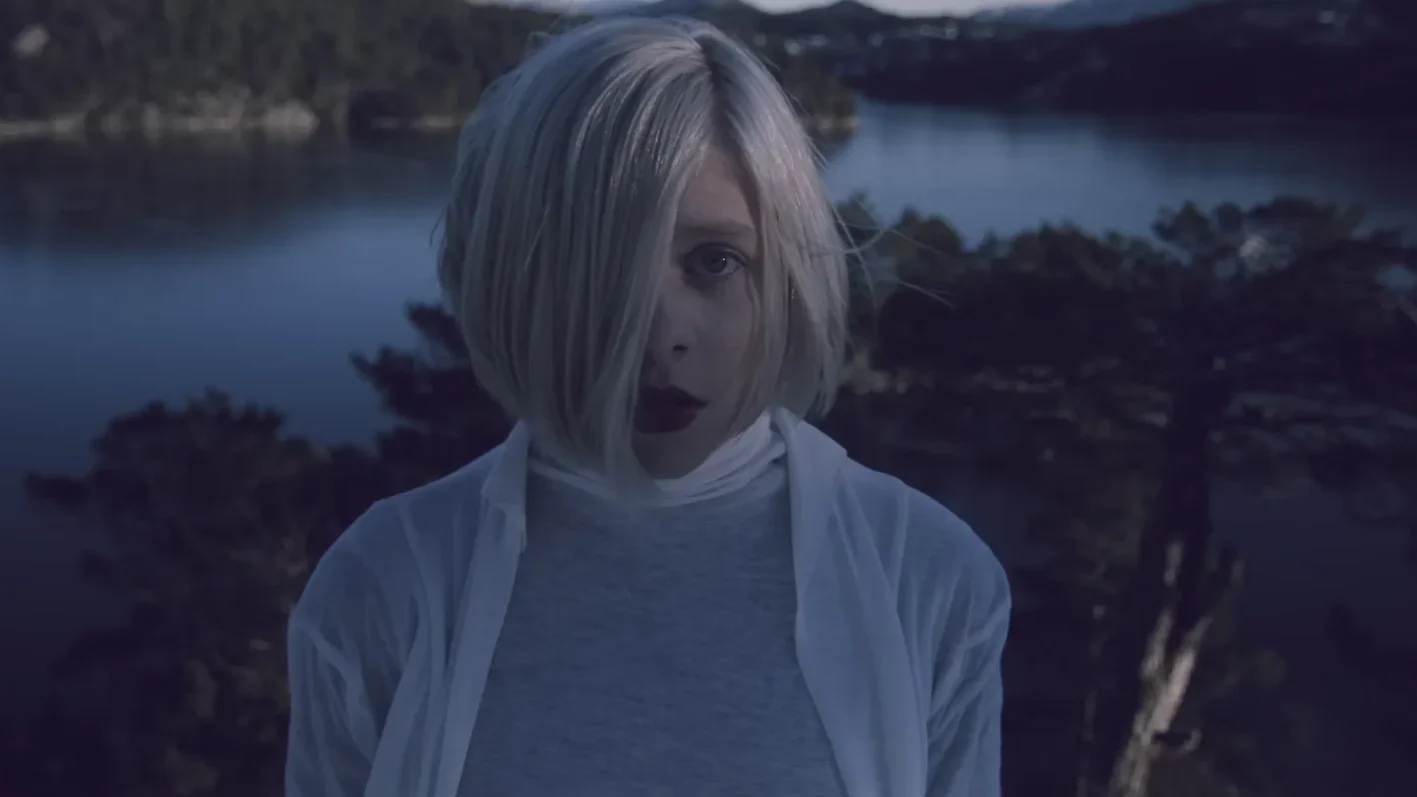
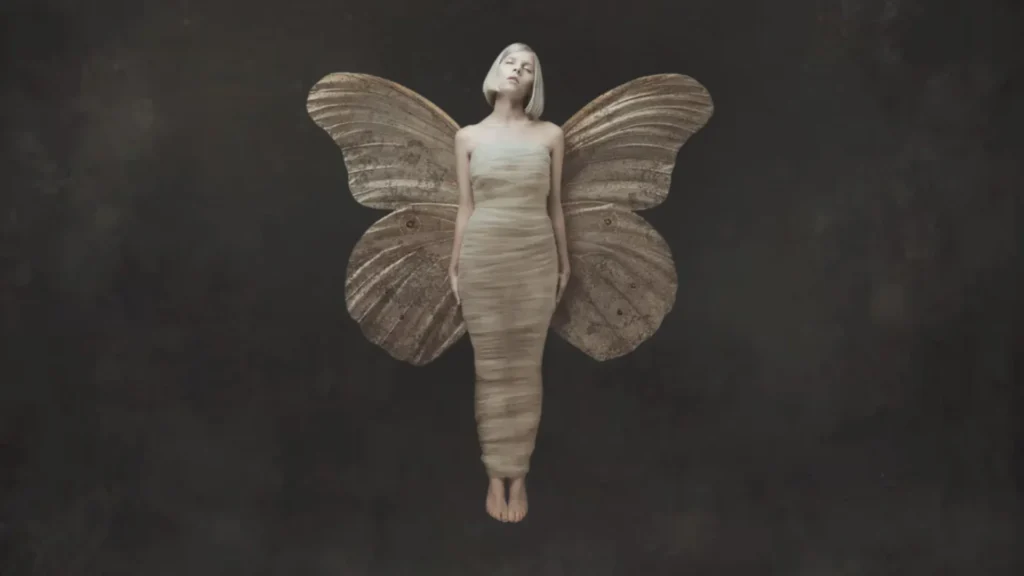
All My Demons Greeting Me as a Friend arrived in 2016, and it didn’t sound like a debut. The world was already there – wolves, warriors, hunters’ moons, blood, dreams, escaping. None of her contemporaries were dealing in this kind of imagery.
If you haven’t gone beyond ‘Runaway’ on this record, ‘Winter Bird’ is a good place to start. There’s a fragility to it that AURORA has since outgrown, but at the time it set out exactly what she was about. The album moves between folk beginnings and rousing, drum-heavy choruses, all living in the same emotional space. Internal. Personal. About finding somewhere to belong.
What followed came in two parts. Infections of a Different Kind (Step One) arrived in 2018, continuing the debut’s work – confronting pain, finding the strength to carry it. ‘It Happened Quiet’ deserves more attention than it gets. Understated and patient, it builds slowly until it catches you completely off guard.
A Different Kind of Human (Step Two) landed in 2019 and turned outward. The themes became political, ecological, urgent. ‘The Seed’ is the clearest example, and it’s become more relevant with every passing year — a grim indictment of environmental apathy dressed up as economic sense. Step Two was the first album where AURORA took a main production credit on every track, and you can hear it. Noisier, faster, more explosive. The shift wasn’t just thematic.
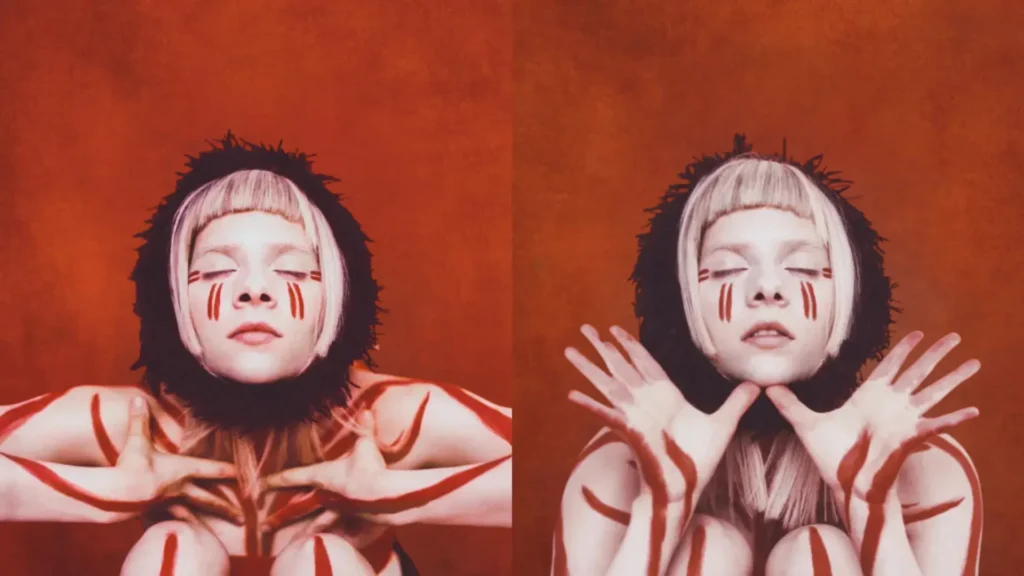
The Gods We Can Touch landed in 2022 and brought something different again. Greek mythology as a lens for desire, shame, mortality. A sensuality that hadn’t been as present before. ‘Heathens’ and ‘Cure For Me’ showed a playfulness and confidence that felt earned. ‘Blood in the Wine’ might be a controversial pick, but it’s one of my favourites from this record. There’s a darkness to it that sits well against the album’s warmer textures.
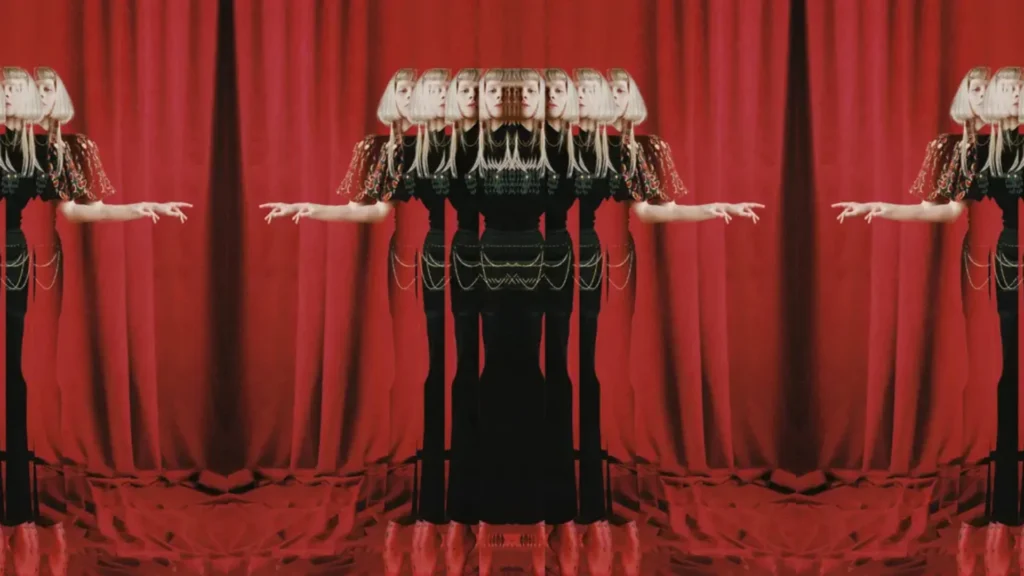
What Happened to the Heart?, released in 2024, is her most grounded work. The vocals sit drier, rawer, often in a lower register than you’d expect. The production is abrasive in places, chaotic in others, but it serves a single cohesive story about disconnection and what it costs us. ‘The Blade’ is a standout — there’s a rawness to the vocal that catches you off guard, even knowing what AURORA is capable of. Critics called this a career-best, and it’s hard to argue otherwise.
The following year brought a deluxe edition that expanded on the album’s themes. Three new tracks – ‘The Flood’, ‘Heart’s Intuition’, and ‘The Weight of Missing’ – felt less like leftovers and more like natural extensions of what the original had started. ‘The Flood‘, which AURORA described as being about “the invisible enemy” of internal struggle, resonated particularly strongly with fans.
Beyond the Albums
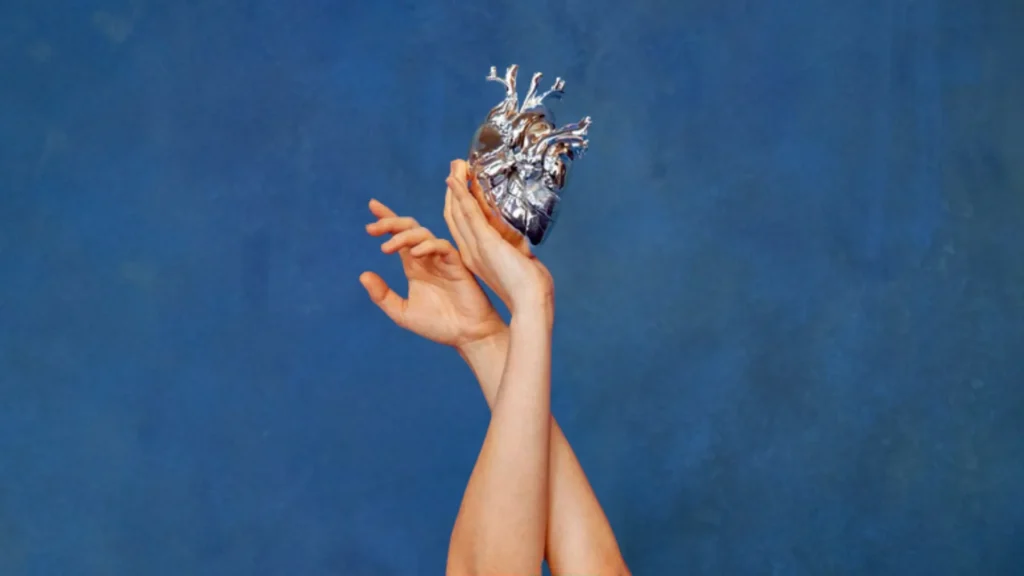
AURORA has always treated albums as worlds, not just tracklists. The Gods We Can Touch had a companion book. What Happened to the Heart? came with a hardback that functions as an anatomical study of the album’s themes. Now a commemorative edition marking ten years of All My Demons is due in the coming months.
Each of these books are extensions of the music – physical objects that give the songs somewhere to live beyond a streaming platform.
All are available through the AURORA Online Store. (Merch Mates does not earn commission on purchases).
Check out AURORA’s essentials below:
Voice and Vision
Fairy. Ethereal. Elvish. These words follow AURORA everywhere. The voice earns them — she moves from a whisper to full power without strain. That doesn’t fully explain what makes it so alluring, though. Even at her quietest, there’s weight behind what she’s doing, what she’s saying. You don’t always hear the power but you can feel it.
The mythology running through her work comes from the same place the music does. Wolves and warriors in the early records, gods and nature in the later ones. AURORA has described nature as her “secret lover” and a lifelong source of inspiration. “I can think of hundreds of metaphors to say things just by looking at the way nature behaves,” she told Imagine Magazine.
Speaking to DIY Magazine ahead of What Happened to the Heart?, she described meeting three female indigenous leaders in Colombia, Argentina, and Brazil. “They lead people while viewing resources not as a right or claim, but as something to co-exist with,” she said. “These women live in the modern world just like us, but they still choose to live with kindness.” Co-existing rather than consuming. Choosing kindness when it would be easier not to. That philosophy sits at the core of AURORA – both the artist and the human.
In the room
AURORA performed at the Royal Albert Hall in October 2024, accompanied by Anna Lapwood MBE — the venue’s first official organist — for a performance of ‘The Seed’. It’s the kind of moment that shows what fans describe when they talk about her live shows: vocal precision that carries, and an atmosphere built so deliberately the room feels different by the end.
Louder’s review of this performance captures the scale of it well. Read it here.
She’s known for performing barefoot, a habit dating back to at least 2015. It’s about feeling grounded and free to move. The movement is physical, fluid, occasionally strange in the best sense. She shares something with the audience rather than performing at them.
Fans who’ve been in the room describe the experience as being better than the recorded versions, which says something when the recordings are already exquisite.
There’s a consistency to how people talk about her shows: acceptance, inclusion, and joy. AURORA has built something with her audience that goes beyond appreciation for the music. She’s spoken about how touring reminds her “that in some strange way, we are all the same. We need the same things and feel the same things.”
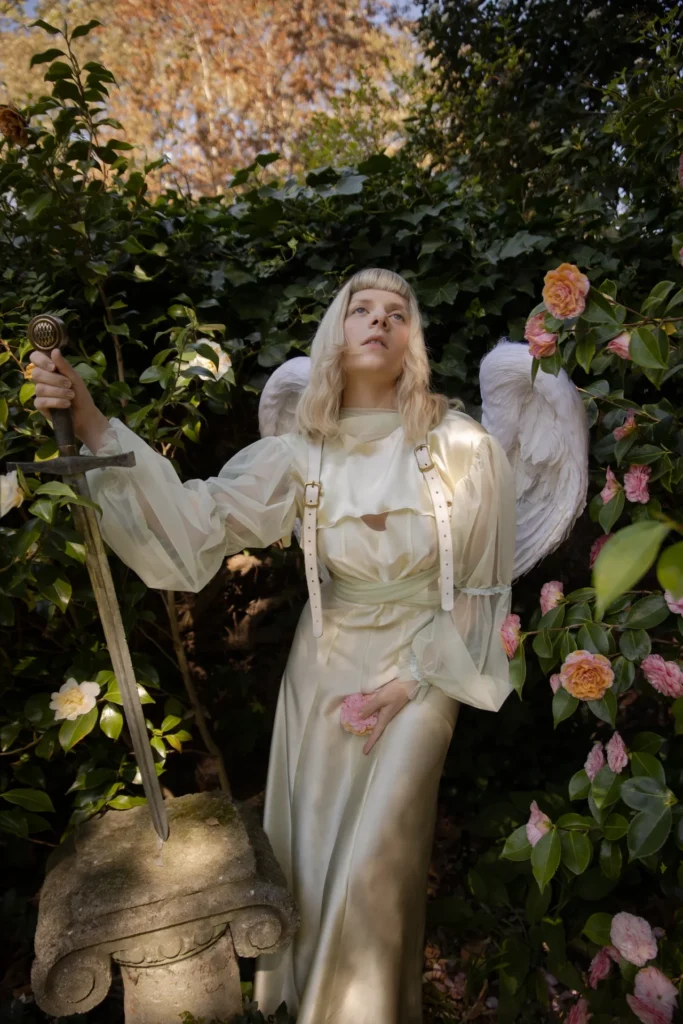
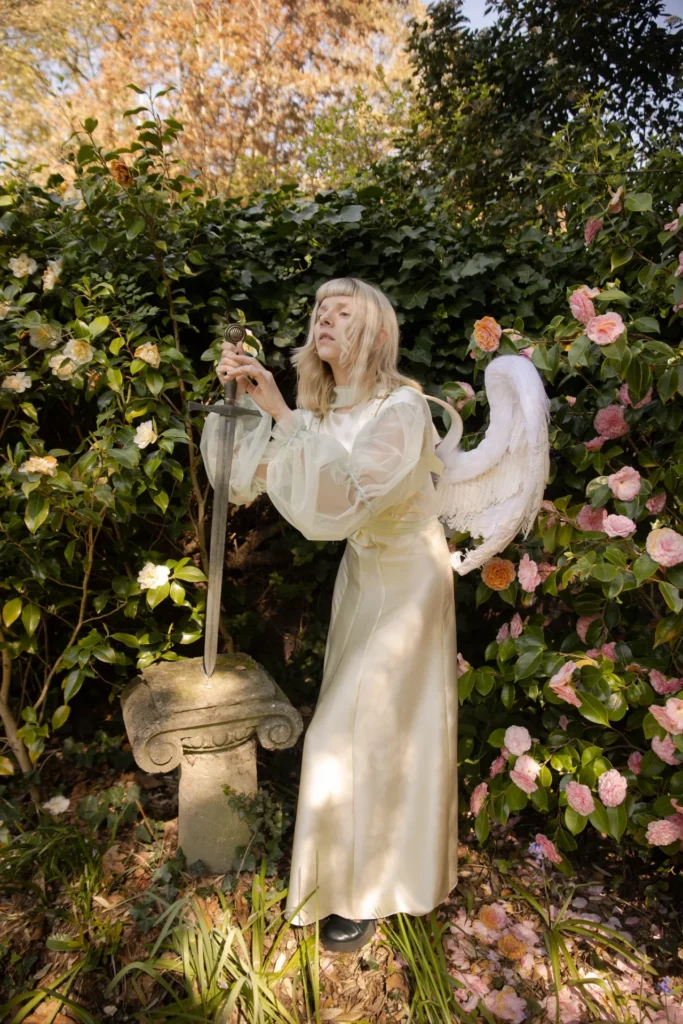
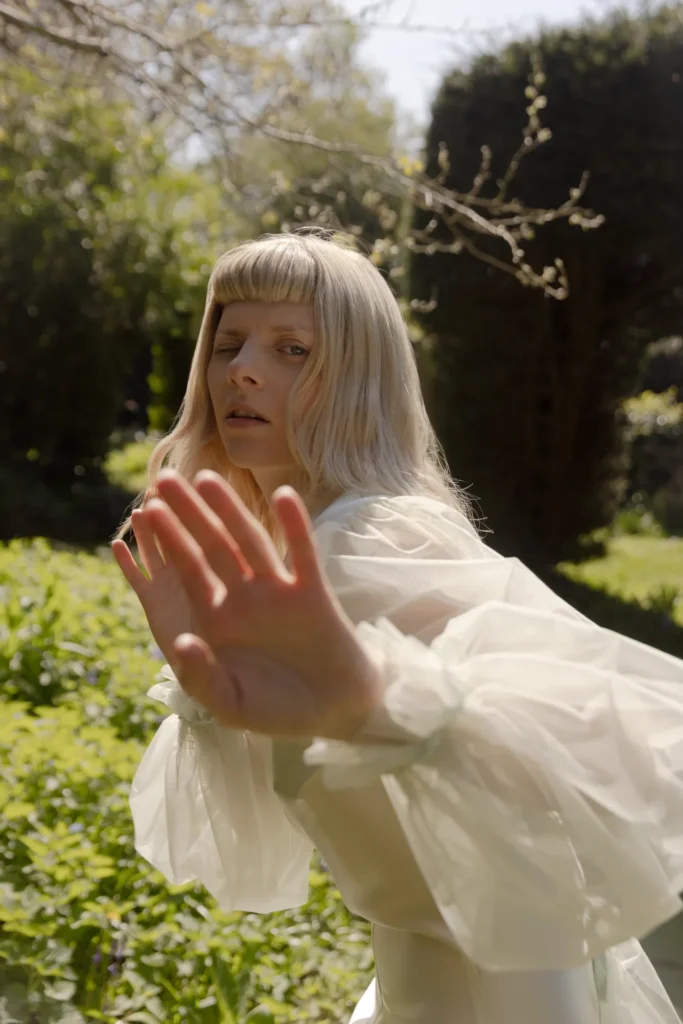
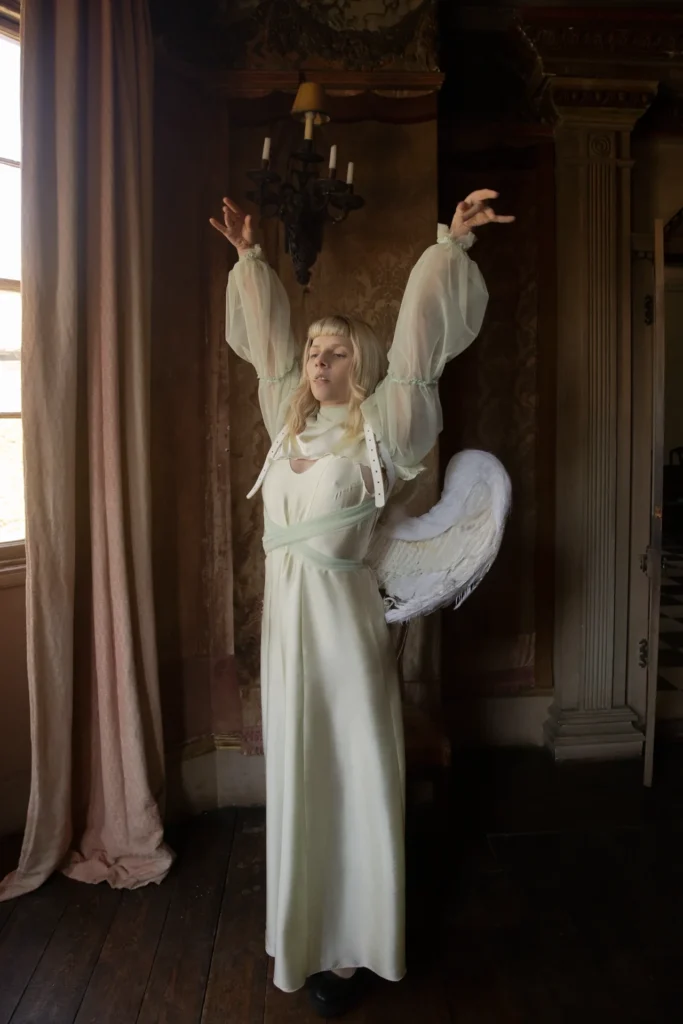
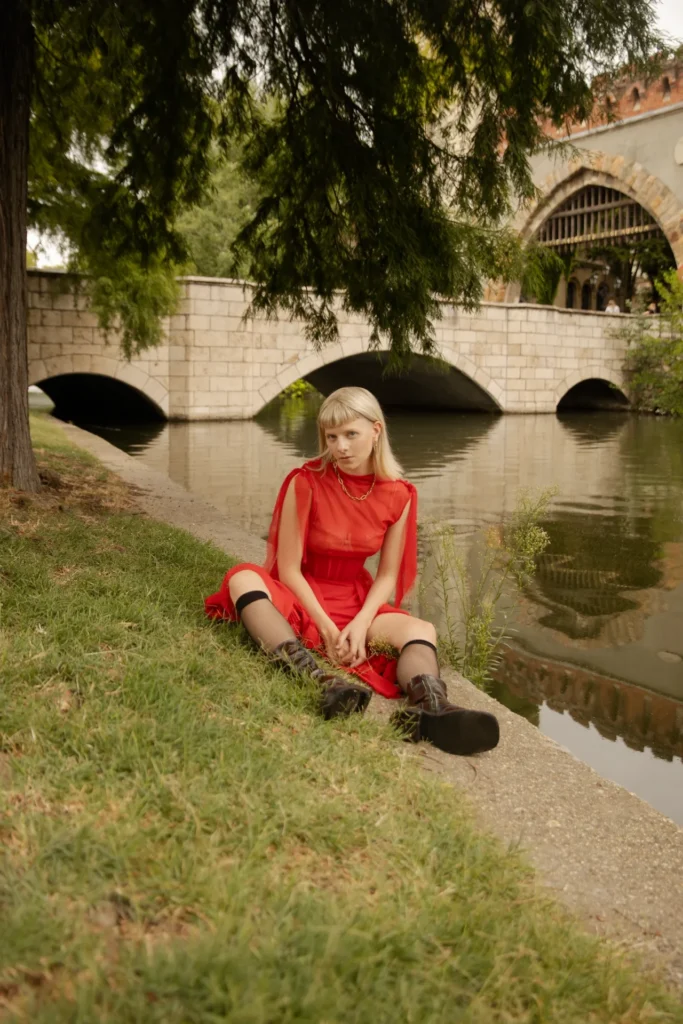
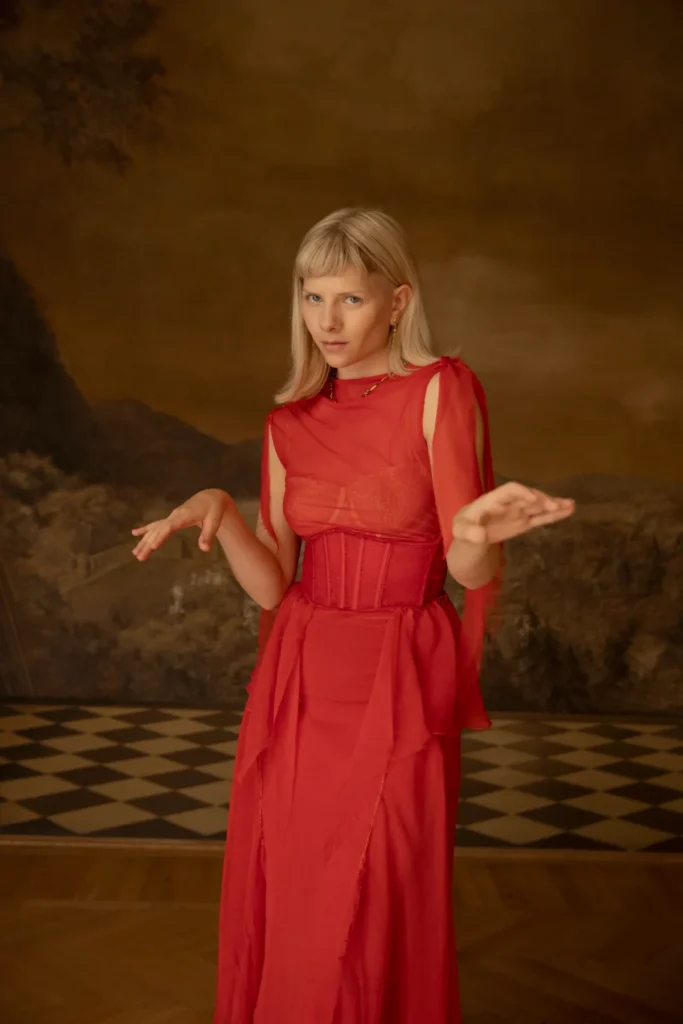
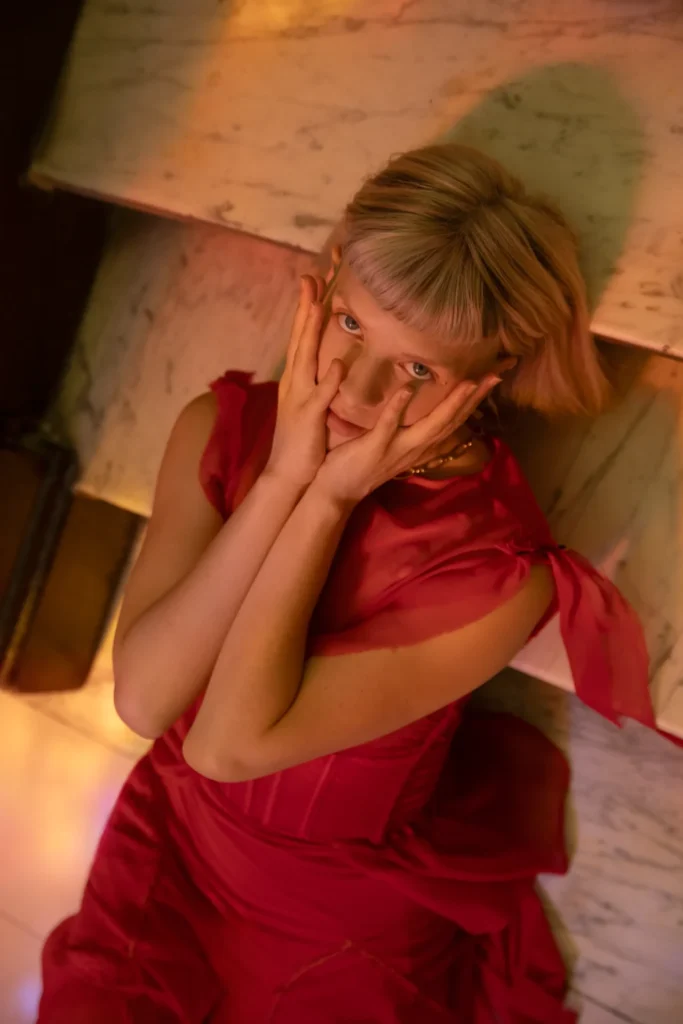
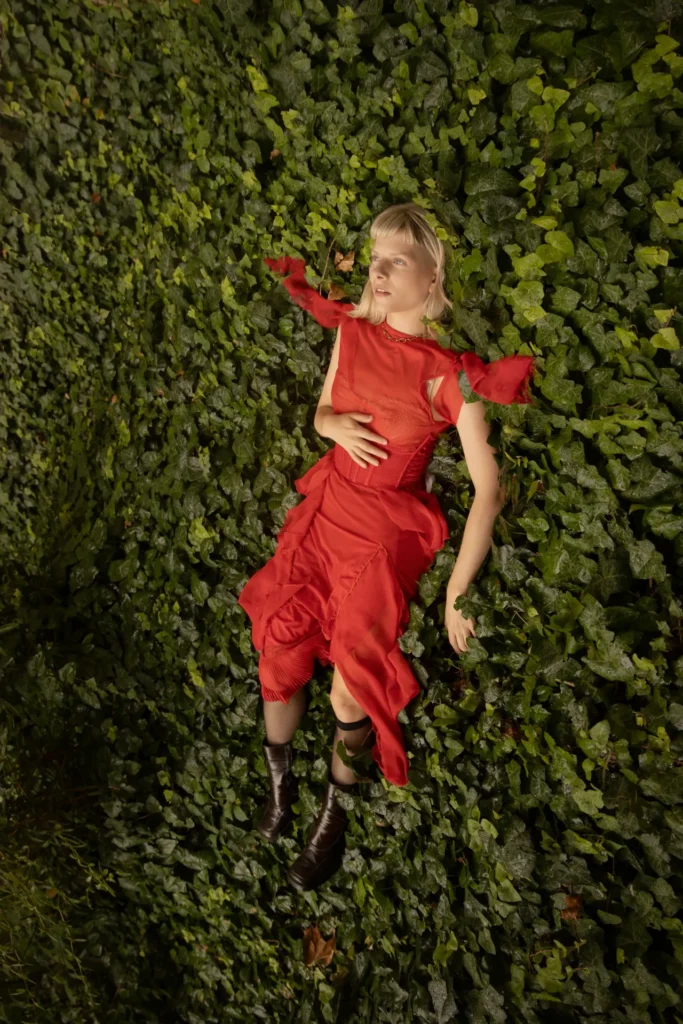
Her visual work carries the same intentionality. There’s a visual language that matches the music – flowing fabrics, natural settings, decaying grandeur. Swords and wings. Movement caught mid-pose, photos that feel organic rather than staged.
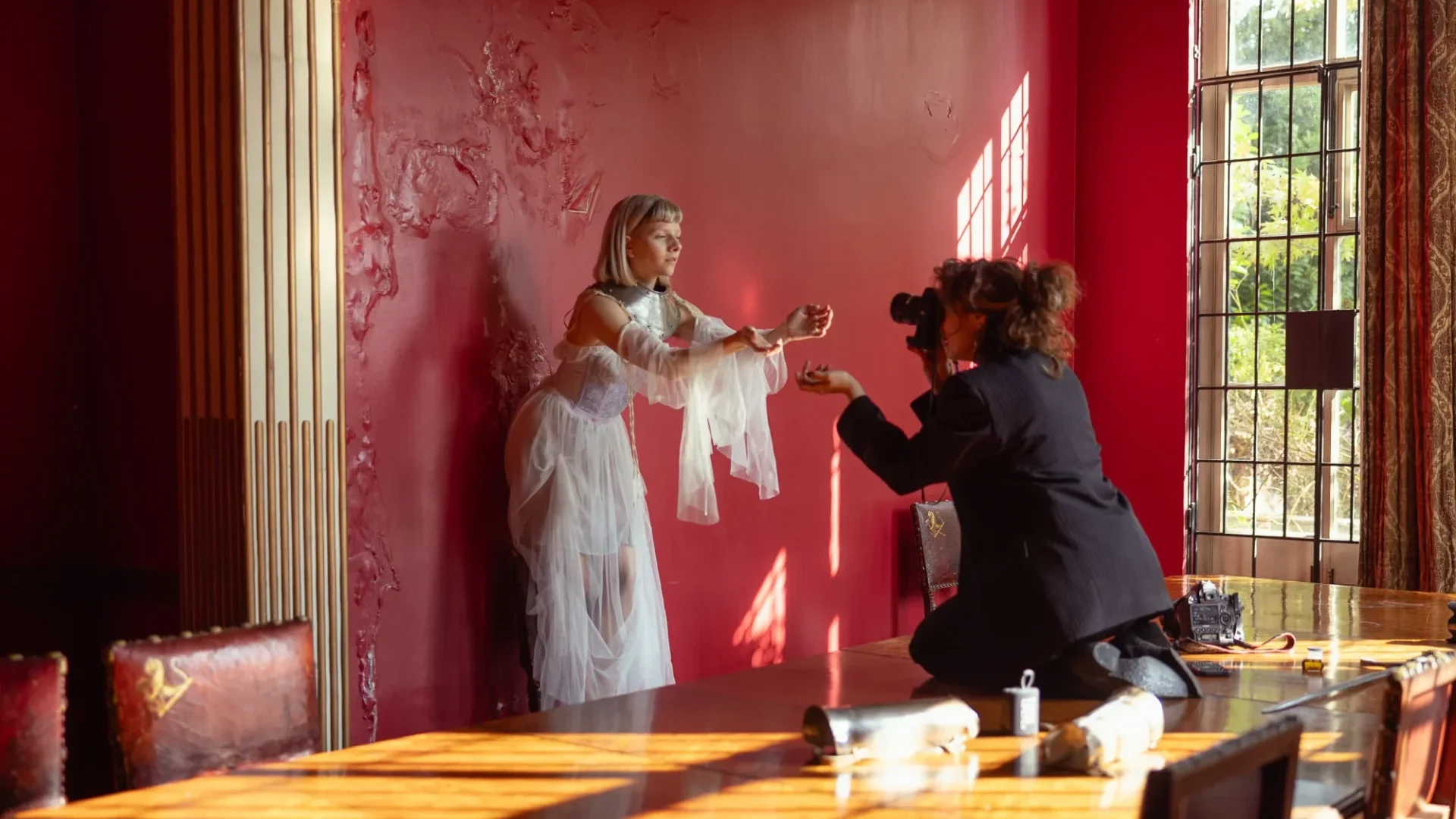
Photographer Wanda Martin, who has collaborated with AURORA across multiple shoots including the album campaign for What Happened to the Heart?, describes the process as instinctive:
Working with Aurora is always a magical experience – our aesthetics and inspirations align so naturally that every shoot feels effortless. She once said that when we work together it feels like we’re dancing, and that truly captures the flow between us. Her energy is incredible, and she brings thoughtful, exciting ideas – for example, she referenced Chytilová’s Daisies, which has also been on my own moodboards for years. Thinking, imagining, and creating together with Aurora has been one of the most inspiring collaborations I’ve had in the past few years.
Wanda Martin, exclusively for Merch Mates
Daisies, for those unfamiliar, is a 1966 Czech film by Věra Chytilová. Surreal, playful, subversive. Two young women moving through absurdist situations with chaotic energy and bright colour. You can see the influence in the images here. There’s irreverence running through the beauty, and a strangeness that sits comfortably next to the grace.
Conviction
‘The Seed’, built around the Native American proverb “when the last tree has fallen and the rivers are poisoned, you cannot eat money,” became one of AURORA’s most recognisable songs. In October 2024, she performed it with Jacob Collier on a floating platform in front of the Sveabreen glacier in Svalbard, filmed by Greenpeace International to raise awareness for ocean protection. The song was written years before, but the message hasn’t stopped gaining weight.
‘Cure For Me’, released in 2021, went viral on TikTok in late 2022, with the dance choreography becoming as recognisable as the message behind it. The song came from thinking about countries where conversion therapy is still legal – a celebration of the LGBTQ+ community and anyone who’s been told there’s something wrong with them. “No matter how much the world is against them, they still manage to put out so much joy and colour and light,” she told GAY TIMES.
Growing up surrounded by nature in Norway and watching it change, she’s described the relationship as heartbreak. “We prove to be quite brilliant minds as a species,” she told Imagine Magazine, “but we used that to just destroy everything in our way, and when we were done with that we destroyed each other.”
“People are more scared of activists than they are of the world dying,” she told The Independent in November 2025. “More scared of activists than of war.”
These values have been consistent across the decade, showing up in the songs and in the choices she makes about where to perform and what to say. It’s rare to find an artist who carries that level of conviction without it ever feeling performative. AURORA does it naturally, and the songs land harder because of it.
One fan described how ‘Heathens’ reminds them of a place that no longer exists – destroyed for coal mining. “The place doesn’t exist anymore, it’s a very deep hole in the ground, but through her songs it comes back to life for a few minutes.” That’s the kind of impact these songs have. The songs give people something to hold onto — something that goes beyond commentary.
Warriors & Weirdos
AURORA calls her fans “warriors and weirdos.” It’s fitting. The community that’s built around her work is as much about the people in it as the music that brought them together.
Noémie, a fan who creates embroidered pieces inspired by AURORA’s imagery, puts it simply: “Her music is a place where I truly feel myself. I feel seen and understood. The fanbase is very important to me – I’ve met lovely people during concerts.”
Artist @lysaena.art, who created illustrations of AURORA as figures from the game Hades, said: “I’m very happy to know that among the human species there are people like her. Examples of normal human beings acting from the heart are what we need to have a bit of faith in humankind.”
Another fan described the deeper connection: “I enjoy seeing a fellow neurodivergent human being their authentic self. I see so much of myself in her – it helps me accept and love myself more.”
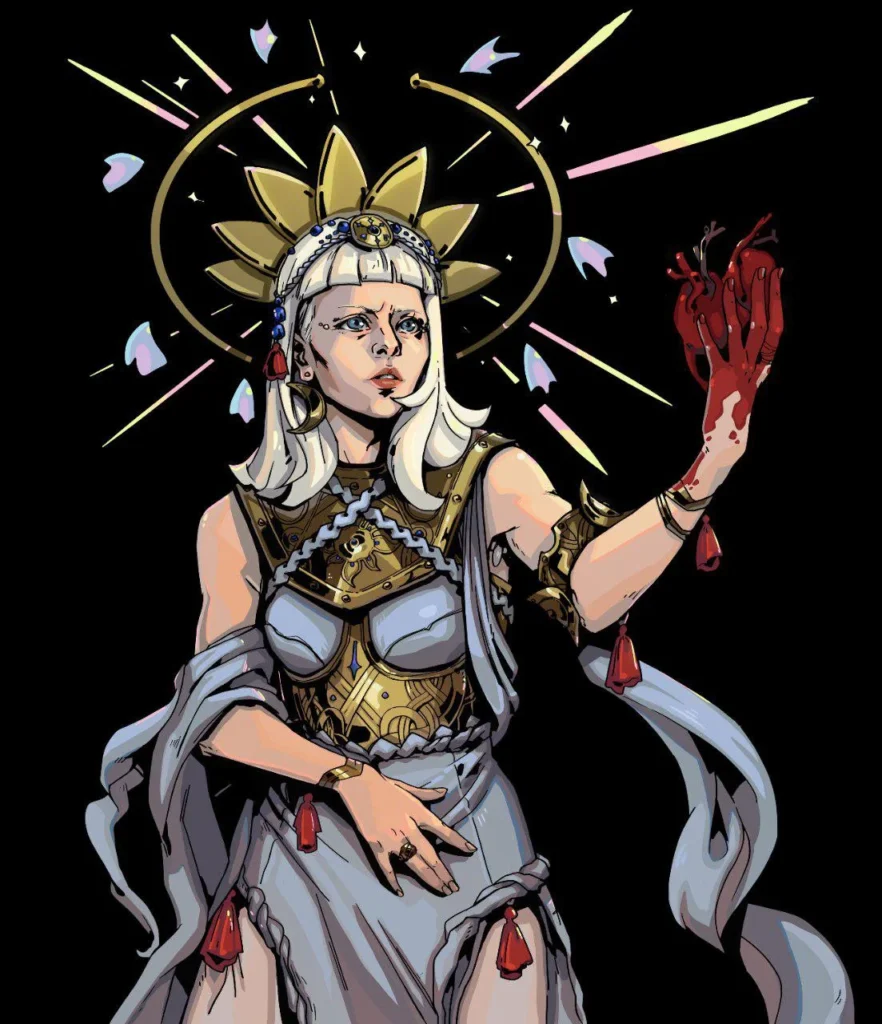
It goes beyond admiration. What fans describe is recognition. When someone shows up with that kind of honesty, people see parts of themselves they thought they had to hide. That’s what AURORA gives them permission to do.
That connection showed up again this week. When TOMORA released the video for ‘Somewhere Else’ — which opens with AURORA waking beneath a pier on a beach — Saga Rahm (@sagarahm), an Instagram creator who had been visiting the same spot under Brighton Palace Pier for years, filmed her own version of the scene. Both AURORA and TOMORA liked and commented on it.
Speaking to Merch Mates, Saga said: “Aurora is not only a great performer and songwriter, but she also cares a great deal about our planet and human rights. I admire her for using the voice she has for activism — not only through demonstrating, but also through her songwriting. Apart from that, she’s a very humble and caring human being who takes time for her fans to feel seen, appreciated and loved.”
She described meeting AURORA in March 2024: “It was magical. She was so present and calm, it felt like we were chatting with a friend — at the same time as I was so awkward trying to form the right words. I truly appreciate her wanting to meet us.”
A new signal (& friendly companion)
The creative relationship between AURORA and Tom Rowlands goes back years. She contributed vocals and co-wrote tracks for The Chemical Brothers’ 2019 album No Geography. Rowlands later produced parts of What Happened to the Heart?. That back-and-forth has now become something more permanent.
TOMORA is a band. The name combines theirs (Tom and Aurora) and the project carries the weight of a full collaboration, not a side credit or a guest feature.
In a message to fans, AURORA described it as “a band for the people that would love whimsical techno.” She explained that the music is built on real instruments, modular synthesisers that “have brains of their own,” creating something that feels futuristic but is actually “quite ancient.” “You can switch the brain off, and let the music and the instruments speak for themselves,” she wrote. “And then discover a new voice within you that has been waiting to come out for a long time.”
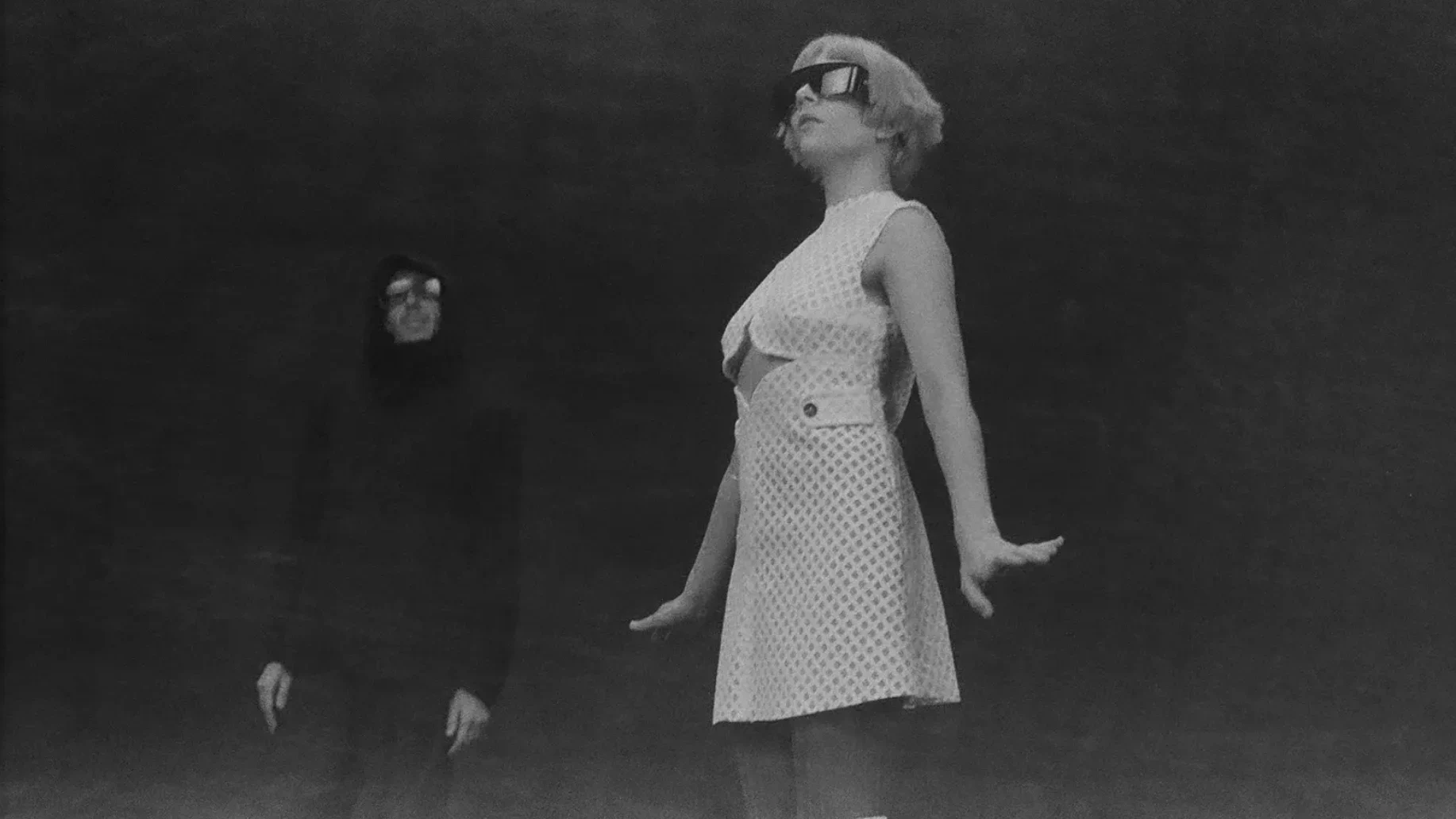
For her, TOMORA is an expansion rather than a departure. “It still feels very much like me. And Tom. But also it feels new.” She closed the message by clarifying: “Of course AURORA is not over, I am and will always be involved in this project my whole life. But now I need to be Ora, for a little while.”
The first signal arrived in December 2025, when ‘Ring the Alarm’ appeared with no context beyond the TOMORA name on the Coachella 2026 lineup poster. Nobody knew who they were. That mystery was the point. ‘The Thing’ followed in January, a tender, stripped-back track that hinted at a different side of the project.
The album announcement landed alongside the title track ‘Come Closer’ in February, and the latest single, ‘Somewhere Else’, arrived last week with a Zane Lowe premiere on Apple Music and an in-depth interview where both AURORA and Rowlands discussed the origins of the project. AURORA called it “one of the first songs we ever wrote, as TOMORA. And it opened up a big door for us, into our world.” Rowlands said they tested an early version at Glastonbury and “it felt like magic.”
Four singles in and the range is already clear. ‘Ring the Alarm’ is chaotic and club-ready. ‘Somewhere Else’ opens with a vocal melody that sounds beamed in from somewhere distant before locking into something heavier and more physical. The album, Come Closer, is due 17 April via Capitol Records. Twelve tracks, all written and produced by the two of them.
TOMORA play their first live shows at New Century Hall in Manchester on 25 March and EartH Hackney in London on 26 March, with Coachella following in April and a run of European festivals through the summer including Øya and NOS Alive.

George Patient
George is the founder and editor of Merch Mates, writing about film, TV, gaming and the Disney parks.
You might also like

Why AURORA Belongs on the Apple Music Hall Stage
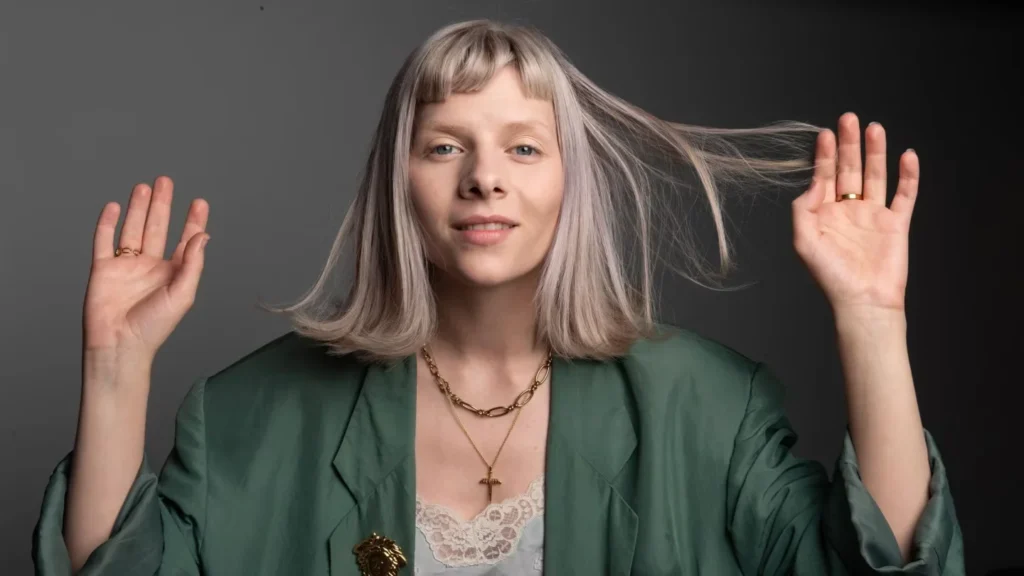
15 Magical AURORA Cover Songs
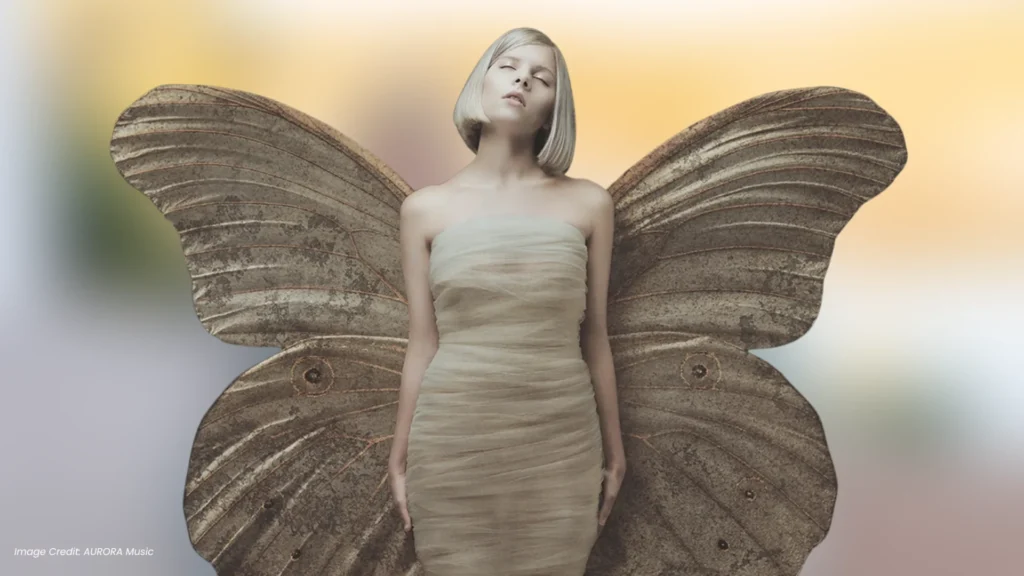
How AURORA’s Music is Transforming Soundtracks
Top 30 Music Artists From The 60s, Ranked

107 Best Fictional Characters That Start With M, Ranked
All 13 Disney Princesses, Ranked Worst to Best

67 Best Fictional Characters That Start With L, Ranked