107 Best Fictional Characters That Start With M, Ranked
The best fictional characters that start with M, ranked, from Mickey Mouse and Mario to Marty McFly, Michael Corleone, Moana and Maleficent.

View summaryHide summary
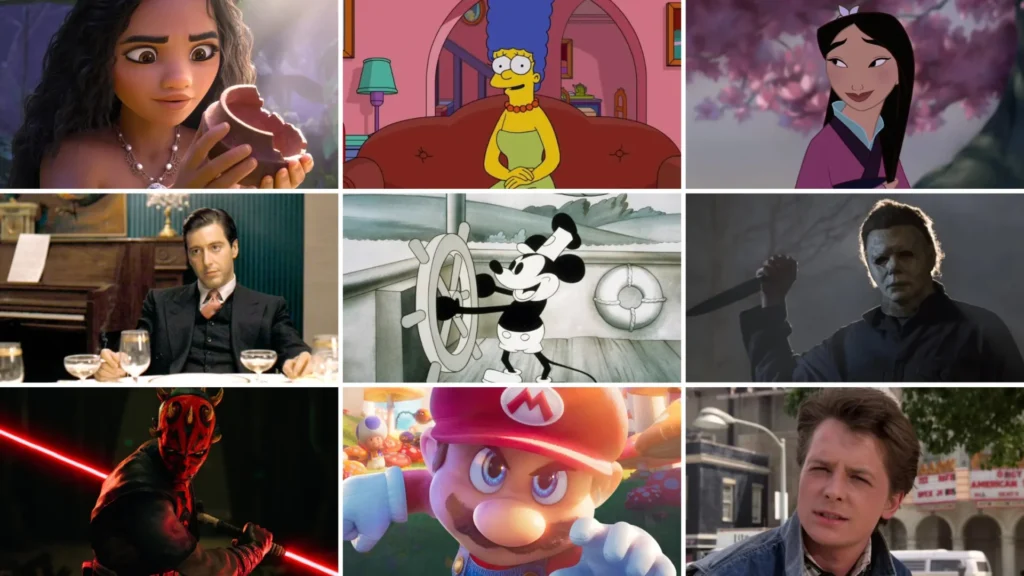
107 fictional characters whose names start with M, from Disney, Marvel, Star Wars, anime, books, film and TV. The top 10 are ranked on how far each one reaches beyond the story they came from: Mickey Mouse, Mario, Marty McFly, Michael Corleone, Moana, Maul, Mulan, Marge Simpson, Michael Myers and Maleficent.
After that come more iconic picks and a run through the franchises, from Disney and Pixar through Star Wars, Harry Potter, Marvel and DC, anime, sitcoms and video games to classic novels. The FAQ at the end covers the best-known M characters by category, with quick answers for Scattergories.
Mickey Mouse takes the top spot. Behind him sit Mario, Mulan, Maleficent, Marge Simpson, Michael Corleone and a Sith apprentice who survived being cut in half.
Thirty-seven of the 107 characters here are Disney’s, counting the animated films alongside Marvel, Star Wars, the Muppets and the Simpsons. The rest come from the Mushroom Kingdom, the Wizarding World, Westeros, Middle-earth, the DC universe and a deep run of anime.
The top 10 are ranked on cultural impact, meaning how far a character reaches beyond the thing they came from. Everything below that is grouped by franchise.
Start at the top, or jump ahead using the table of contents.
Our Top 10 Characters That Start With M, Ranked
Mickey Mouse (Disney)
The Mouse That Built a Company
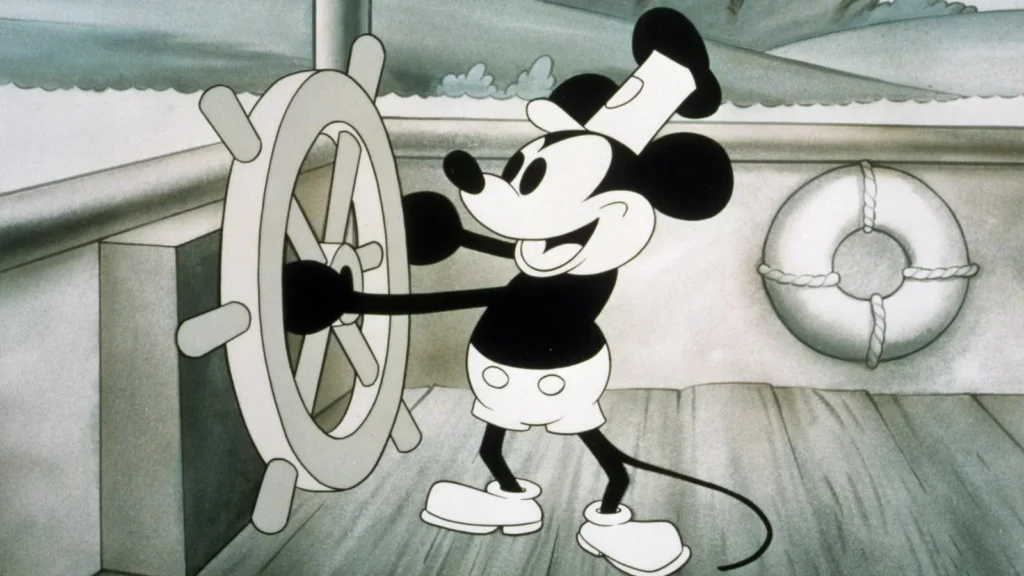
| Debut | Steamboat Willie (1928) |
| Franchise | Disney |
| Voiced by | Walt Disney (originator), Jimmy MacDonald, Wayne Allwine, Bret Iwan (current) |
| Key works | Steamboat Willie, Fantasia, The Mickey Mouse Club, Disney parks worldwide |
Walt Disney did the squeaking himself. When Steamboat Willie opened in New York in November 1928, the sound was the selling point, a cartoon where the music, the whistle and the mouse all landed on the same beat, and the man who ran the studio provided the voice because nobody else was going to.
A century later Mickey is the company logo, the shape on the front gate of six resorts, and the outline a two-year-old can identify. Most of that happened without him doing much on screen. His last great performance is still The Sorcerer’s Apprentice in Fantasia, from 1940.
The odd turn came on 1 January 2024, when the Steamboat Willie version of the character entered the US public domain. Within weeks he was in low-budget horror films, which is not a fate Walt planned for.
First, and it would take a global act of forgetting to move him.
Mario (Nintendo)
The Carpenter Who Became an Industry
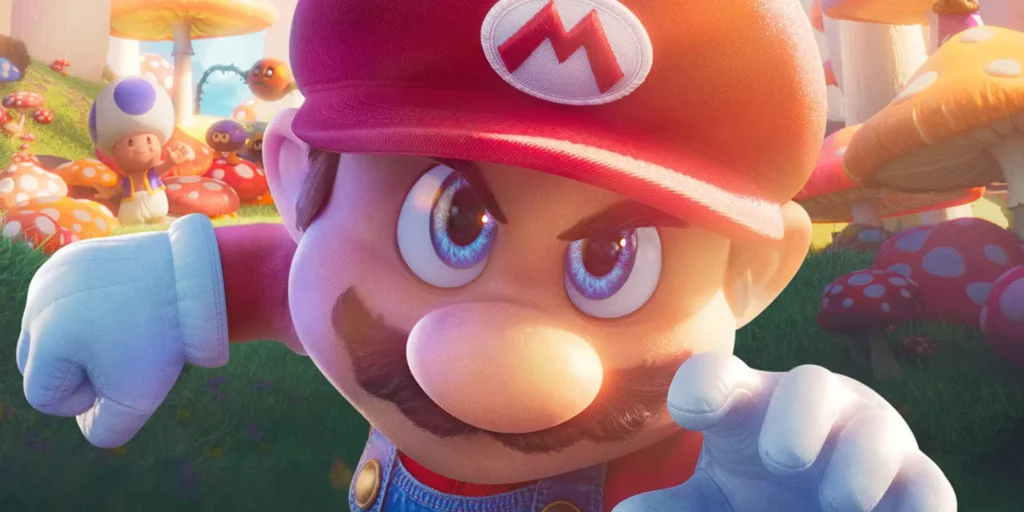
| Debut | Donkey Kong (1981), as Jumpman |
| Franchise | Super Mario |
| Voiced by | Charles Martinet (1991 to 2023), Kevin Afghani (current) |
| Key works | Super Mario Bros., Super Mario 64, Mario Kart, The Super Mario Bros. Movie |
Mario started life as a carpenter called Jumpman, dodging barrels in a 1981 arcade cabinet. Shigeru Miyamoto gave him the moustache and cap because a face that small needed features that read at a glance. The name came from Mario Segale, who leased Nintendo of America its warehouse in Tukwila, Washington, and Miyamoto confirmed it with a nod in a Nintendo video in 2015, as reported by the Seattle Times. How it happened depends on who tells it: David Sheff’s book Game Over has Segale barging in over late rent, while a former warehouse manager says the staff named the character after a landlord they had never met, as a joke.
Super Mario Bros. followed in 1985 and sold in numbers that rescued a games industry most people had written off after the 1983 crash. Super Mario 64 then worked out how a 3D world should be navigated, and every third-person game since has borrowed the answer.
The 2023 film took over $1.3 billion with Chris Pratt in the role, Super Nintendo World has opened in Japan, California and Florida, and Charles Martinet handed over the voice in 2023 after more than thirty years.
Second, and the only plumber with his own theme park land on two continents.
Marty McFly (Back to the Future)
The Teenager Who Nearly Erased Himself
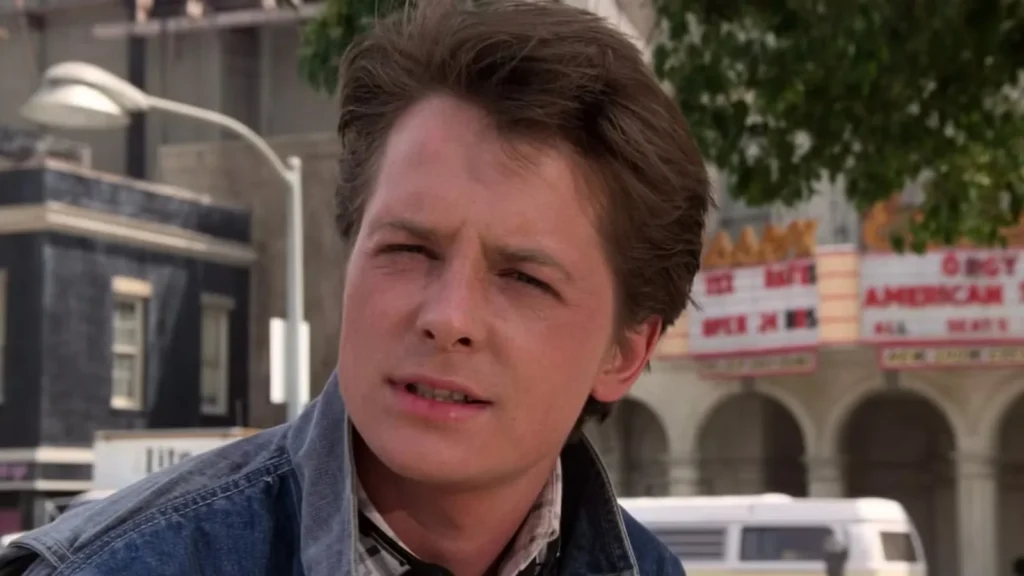
| Debut | Back to the Future (1985) |
| Franchise | Back to the Future |
| Portrayed by | Michael J. Fox (Eric Stoltz filmed the role first) |
| Key works | Back to the Future, Part II, Part III, the stage musical |
Eric Stoltz played Marty McFly for around five weeks of filming before Robert Zemeckis decided the comedy was not landing and recast. Michael J. Fox then shot Family Ties by day and Back to the Future at night for months, which is where the exhausted, wired quality of the performance comes from.
The premise should be unwatchable. A seventeen-year-old travels to 1955, displaces his father in his mother’s affections, and spends the film trying to undo it before he stops existing. It works because Fox plays panic better than almost anyone, and because the script treats its own time-travel rules with total seriousness.
The character handed the culture the DeLorean, the hoverboard and 21 October 2015, a date the internet observed like a public holiday.
Third, and the reason a generation asked their parents exactly how they met.
Michael Corleone (The Godfather)
The Son Who Was Supposed to Stay Clean
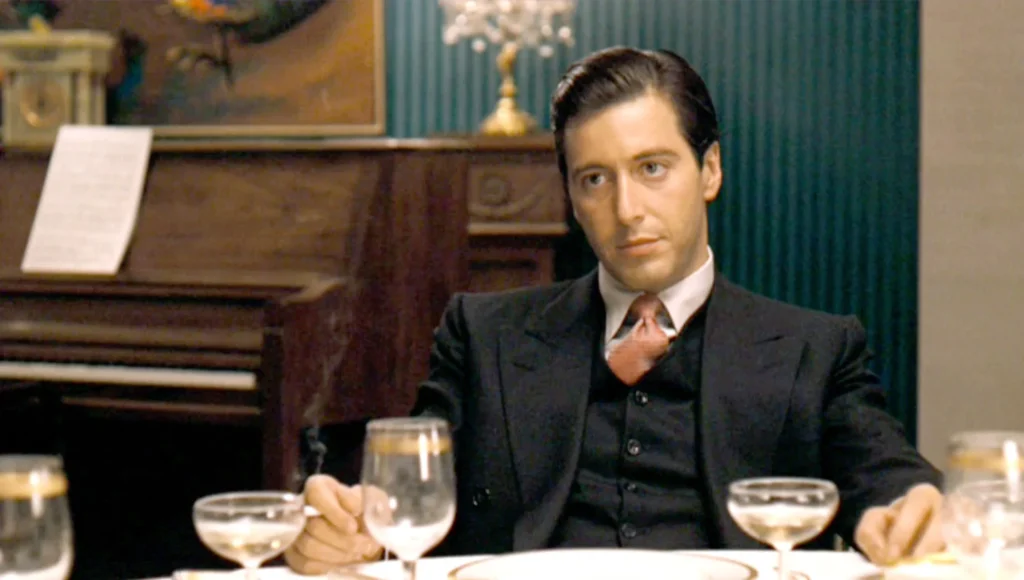
| Debut | The Godfather (novel, 1969; film, 1972) |
| Franchise | The Godfather |
| Portrayed by | Al Pacino |
| Key works | The Godfather, The Godfather Part II, The Godfather Part III |
The studio tried to fire Al Pacino three times during filming, by his own count in a 2016 Associated Press interview. Francis Ford Coppola, close to being fired himself, moved the Bronx restaurant scene forward in the schedule, the one where Michael shoots Sollozzo and Captain McCluskey over dinner, and showed the footage to the executives who wanted the casting reversed. Pacino’s account in his 2024 memoir is blunt about it: that scene is why he stayed in the film.
Michael’s arc is the most complete in American cinema. He opens the film in uniform, telling his girlfriend that the family business has nothing to do with him, and closes the second one having ordered his own brother’s death. Between those two points he takes over a business he wanted no part of, kills a police captain over dinner, moves the family to Nevada and marries Kay on a lie.
Part II split his decline against his father’s rise and won Best Picture, which almost never happens to a sequel. The final shot of the first film, a door closing on Kay while men kiss Michael’s hand, is one of the most studied images in film.
Fourth, and the standard that Tony Soprano, Walter White and Logan Roy were written against.
Moana (Disney)
The Wayfinder Disney Built a Decade On
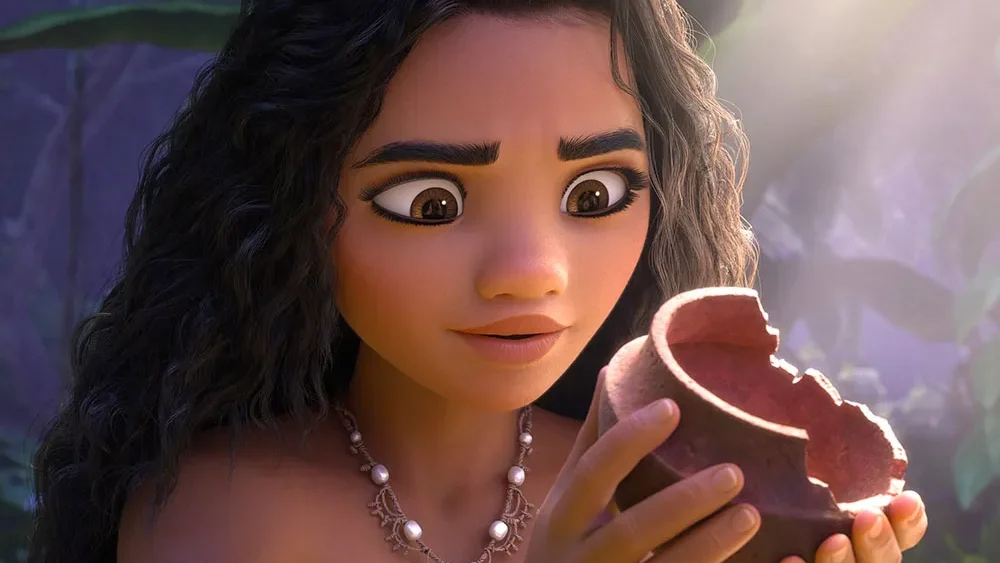
| Debut | Moana (2016) |
| Franchise | Disney |
| Voiced by | Auli’i Cravalho (Catherine Laga’aia plays her in the 2026 film) |
| Key works | Moana, Moana 2, the 2026 remake |
Auli’i Cravalho never auditioned. She was fourteen, singing at a charity competition in Hawaii, when a casting scout spotted her late in a search that had already run through hundreds of tapes.
The film she carries sends the daughter of a Pacific island chief past her father’s reef to return a stolen heart, with Lin-Manuel Miranda songs and no romance anywhere in it. A Disney lead with no love interest was still unusual in 2016.
Then came the second life. Moana was among the most streamed films of the pandemic years, Moana 2 cleared a billion dollars in 2024, and a version with real actors arrives in 2026 with Dwayne Johnson back as Maui.
Fifth, and the newest character in this top 10 by more than fifteen years.
Maul (Star Wars)
The Sith Who Refused to Stay Dead
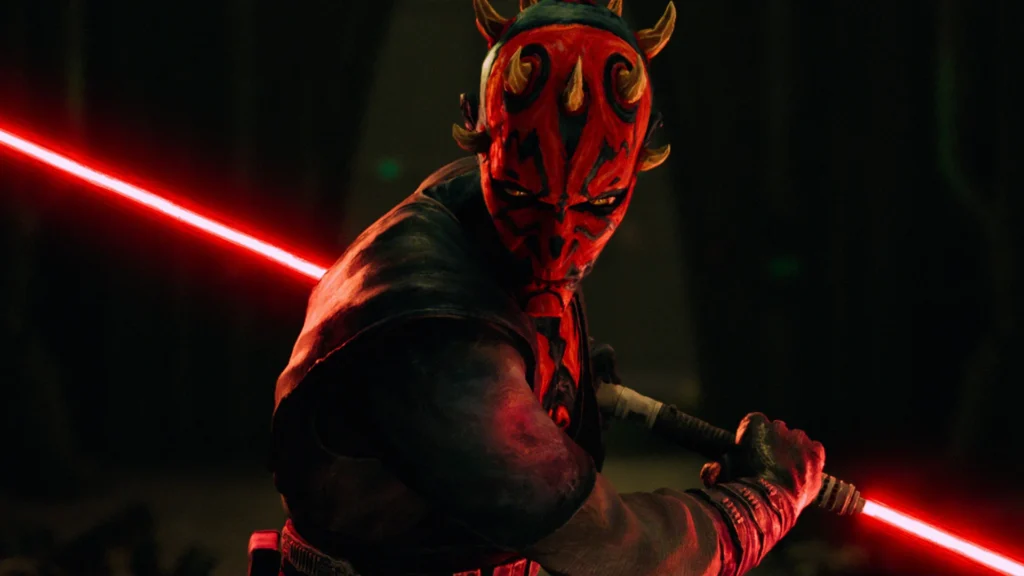
| Debut | The Phantom Menace (1999) |
| Franchise | Star Wars |
| Portrayed by | Ray Park, voiced by Peter Serafinowicz and later Sam Witwer |
| Key works | The Phantom Menace, The Clone Wars, Rebels, Solo |
Maul speaks three lines in The Phantom Menace and dies at the end of it. He is still one of the most popular characters Star Wars has produced, which says something about how much work a design and a fight can do on their own. Ray Park’s martial arts background made the Duel of the Fates the part of that film nobody argues about.
The Clone Wars brought him back with cybernetic legs and a mind wrecked by years in hiding, then gave him what the film never did: a crime empire, a brother, and a long grudge against the Jedi who ruined him. Sam Witwer voiced all of it.
His last fight, three moves against an old Obi-Wan on Tatooine, lasts seconds and settles twenty years of story.
Sixth, and he appears again on our characters beginning with D list, under Darth Maul.
Mulan (Disney)
The Folk Hero Disney Borrowed
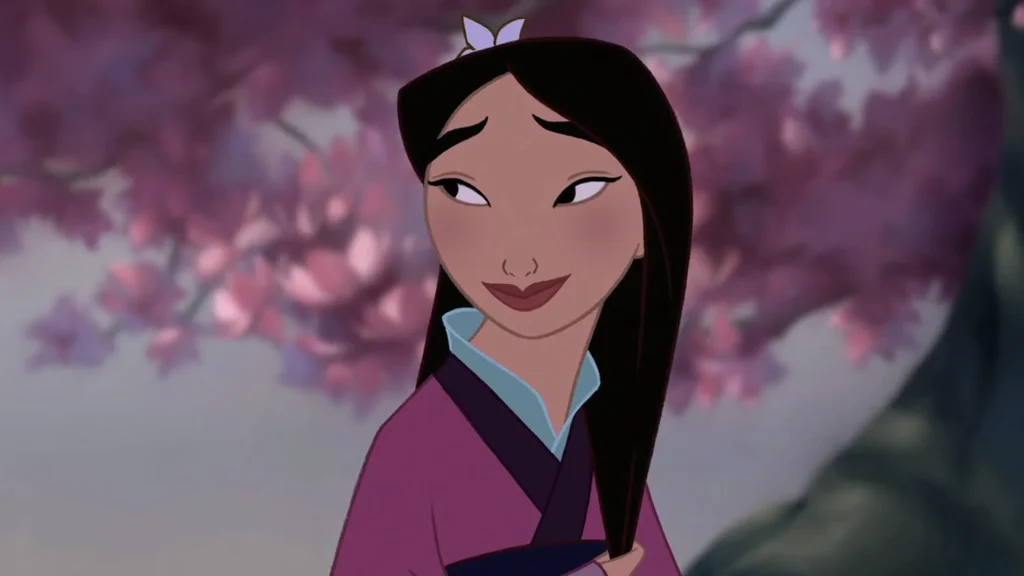
| Debut | Mulan (1998) |
| Franchise | Disney |
| Voiced by | Ming-Na Wen (Liu Yifei in the 2020 remake) |
| Key works | Mulan, Mulan II, the 2020 remake |
Mulan is the only character in this top 10 who was already more than a thousand years old when Disney got to her. The Ballad of Mulan, a Chinese folk poem about a daughter who takes her father’s place in the army, has been retold in opera, film and print for centuries.
The 1998 version swings between slapstick and mass graves in the snow, and Ming-Na Wen holds both. “Reflection” and “I’ll Make a Man Out of You” have outlived the film on social media, which is a rare afterlife for songs from a Disney picture that underperformed against Hercules and Tarzan at the time.
The 2020 remake turned into one of Disney’s hardest releases. It skipped cinemas for a $29.99 tier on Disney+ during the pandemic, and drew sustained criticism over filming locations in Xinjiang and the lead actress’s public comments on the Hong Kong protests.
Seventh, and the only princess here with a body count.
Marge Simpson (The Simpsons)
The Reason Springfield Holds Together
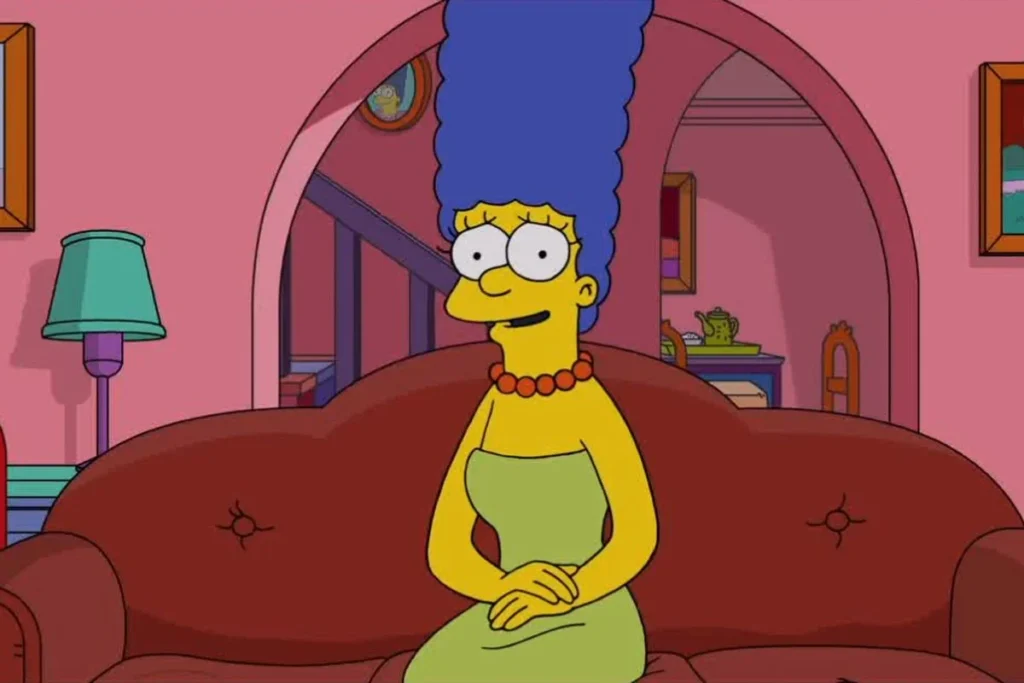
| Debut | The Tracey Ullman Show shorts (1987) |
| Franchise | The Simpsons |
| Voiced by | Julie Kavner |
| Key works | The Simpsons, The Simpsons Movie |
Julie Kavner was already working on The Tracey Ullman Show when Matt Groening’s crudely drawn family turned up as filler between sketches in 1987. She has voiced Marge in every episode since, nearly forty years, and nobody has managed a passable imitation of the rasp.
Homer got the catchphrase and Bart got the T-shirts, and Marge is the one the show cannot function without. The episodes that hand her the story, the painting, the gambling, the pretzel franchise, are among the best the series has made, because a character built to absorb everyone else’s chaos is at her most interesting when she stops.
She has now been on television longer than most viewers have been alive, on the longest-running scripted primetime series in American history.
Eighth, and the blue hair is recognisable at any size, in any country.
Michael Myers (Halloween)
The Shape That Started the Slasher
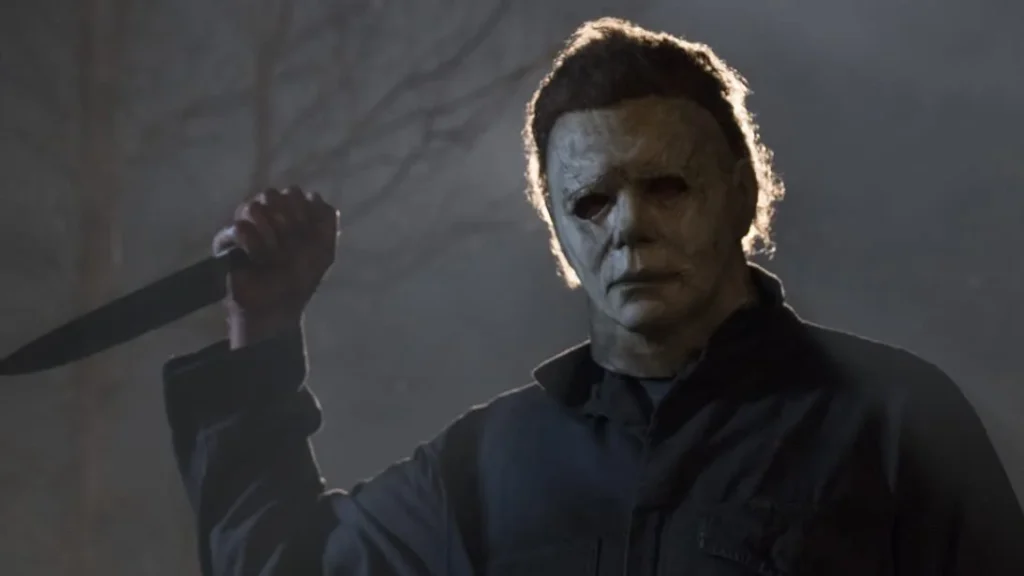
| Debut | Halloween (1978) |
| Franchise | Halloween |
| Portrayed by | Nick Castle, Tony Moran, James Jude Courtney and others |
| Key works | Halloween (1978), Halloween (2018), Halloween Kills, Halloween Ends |
The mask is a William Shatner Star Trek mask, bought cheaply by the production, widened at the eyes and sprayed white. The credits call the character The Shape rather than Michael Myers, and that is the whole design: no dialogue, no stated motive, no face.
John Carpenter made the film for somewhere around $300,000 in 1978 and it became one of the most profitable independent releases ever, which is why every studio spent the next decade funding men in masks stalking teenagers. Everything from Friday the 13th onwards is working from this.
The 2018 sequel deleted every film after the original and took more than $250 million worldwide, a second life that horror franchises this old rarely get.
Ninth, and a boiler suit and a kitchen knife still work as a costume.
Maleficent (Disney)
The Best-Designed Villain Disney Ever Drew
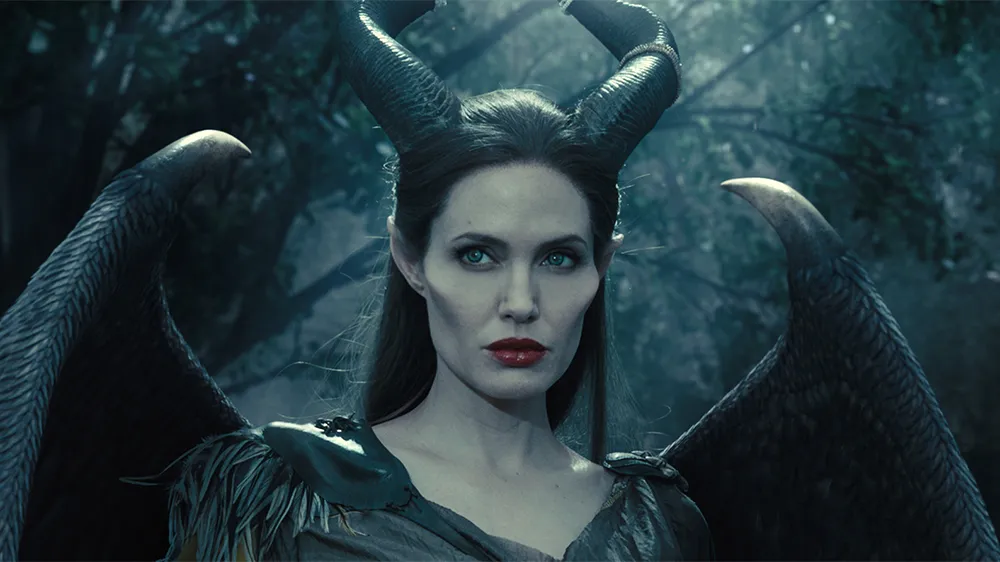
| Debut | Sleeping Beauty (1959) |
| Franchise | Disney |
| Voiced by | Eleanor Audley (Angelina Jolie in the live-action films) |
| Key works | Sleeping Beauty, Maleficent, Maleficent: Mistress of Evil |
Marc Davis drew her as two black horns, green skin and a cape with the proportions of a cathedral, and Eleanor Audley played her with the clipped politeness of a woman who has never been refused anything. Sixty-odd years of Disney villains have been chasing that combination since.
Her motive helps. She curses an infant to death over a missing party invitation, with no backstory offered and none needed, which puts her a long way from the wounded antagonists Disney writes now.
Sleeping Beauty lost money in 1959 and nearly ended the studio’s fairy tale era. Angelina Jolie’s 2014 retelling from Maleficent’s side took over $750 million and started Disney’s run of villain-led live-action films.
Tenth, and the only character here who turns into a dragon.
More Iconic Fictional Characters Starting With M
Mace Windu (Star Wars)
Samuel L. Jackson asked George Lucas for a part, then asked for a purple lightsaber so he could find himself in the crowd scenes, and Lucas gave him both. Mace Windu is the second-ranked Jedi in the prequels and the only one who gets close to killing Palpatine, disarmed in the Chancellor’s office and thrown out of a window by the apprentice he was warning everyone about. The purple blade became one of Star Wars’ most requested pieces of merchandise, and the character’s death is the hinge the whole prequel trilogy turns on.
Maui (Moana)
A demigod with a living tattoo and a fish hook, voiced by Dwayne Johnson at the point where his singing career started. Maui is the comic engine of Moana and its most interesting piece of writing, a boastful figure whose bravado covers being abandoned as a baby. The shapeshifting animation gave Disney one of its most technically ambitious characters, and “You’re Welcome” has outlasted most of the film’s other songs.
Mufasa (The Lion King)
James Earl Jones voiced him twice, thirty years apart, and the stampede in the 1994 film is still the scene that teaches a generation of children what death is. Mufasa is on screen for under half of The Lion King and shapes all of it, first as the father, then as the ghost in the clouds. Disney’s 2024 prequel gave him an origin story nobody had asked for, and it took over $700 million anyway.
Magneto (Marvel)
A Holocaust survivor who decides that the only lesson worth taking from the camps is that his people should never be defenceless again. Magneto is the most morally coherent villain in superhero comics, and Ian McKellen and Michael Fassbender have both played him as a man whose logic is hard to dismantle. His argument with Charles Xavier has run for sixty years, which is longer than most real political movements last.
Miles Morales (Marvel)
The Spider-Man who replaced Peter Parker in the Ultimate comics in 2011 and outgrew the substitution entirely. Into the Spider-Verse won the Oscar for Best Animated Feature in 2019 and rewrote what animation could look like, and Across the Spider-Verse took over $690 million four years later. Insomniac’s games gave him a second lead role. For a lot of readers under twenty, Miles is not the other Spider-Man, he is the Spider-Man.
Master Chief (Halo)
The face that sold the Xbox, and one nobody has seen. John-117 is a soldier in green armour with a handful of lines per game, built so the player can occupy him, and Halo: Combat Evolved made Microsoft’s console viable in 2001. The relationship with Cortana carries the emotional weight the silent lead cannot. The 2022 television adaptation took the helmet off in its first episode, and the reaction from players told Microsoft exactly how much the anonymity mattered.
Mikasa Ackerman (Attack on Titan)
The most capable soldier in a series about how little that counts for. Mikasa’s devotion to Eren Yeager reads as simple for most of Attack on Titan and turns into the hardest decision in the ending, which split the fandom in 2023 and is still being argued over. Yuki Kaji and Yui Ishikawa’s performances carried a show that became one of the biggest anime properties of its decade.
Makima (Chainsaw Man)
The calmest villain in modern anime, and the reason Chainsaw Man landed as hard as it did in 2022. Makima presents as Denji’s handler and turns out to be running something closer to ownership, offering affection as a leash. Tatsuki Fujimoto wrote her as an argument about control dressed up as a workplace romance, and the anime’s restrained voice work made her more unsettling rather than less.
Mr Bean (Mr Bean)
Rowan Atkinson’s near-silent creation is one of Britain’s most successful cultural exports, precisely because there is almost nothing to translate. Fifteen episodes aired between 1990 and 1995, and they have played continuously somewhere in the world since. Two films took a combined $500 million-plus. Atkinson trained the character out of physical comedy traditions that predate television, and children who have never heard of Blackadder still recognise the face.
Michael Scott (The Office)
The regional manager who wants to be liked more than he wants to be competent, and the performance that turned Steve Carell into a film star. The American Office found its footing once it let Michael be good at the job in one specific way, selling paper, while failing at everything around it. His exit in season seven is the last episode most people rate, and the character has had a second life on TikTok that has outlived the show’s original audience.
Mr Miyagi (The Karate Kid)
Pat Morita was a comic actor before this, and was nearly turned down for being too funny. His Miyagi is the reason a teen martial arts film from 1984 still has a franchise: a Second World War veteran whose family died in an internment camp while he served, played with restraint that the script did not require. Morita took the film’s only acting Oscar nomination. Wax on, wax off entered the language, and Cobra Kai spent six seasons in his shadow.
Maverick (Top Gun)
Pete Mitchell is Tom Cruise’s defining role, and the sequel is the better film. Top Gun made fighter pilots a recruitment surge in 1986, and Top Gun: Maverick took over $1.4 billion in 2022 by putting sixty-year-old Cruise back in a cockpit with real G-forces and almost no computer-generated aircraft. The character works as a study of someone who never took the promotion, and a film full of people young enough to be his children.
Mad Max (Mad Max)
Two actors, four films, forty-five years, and a world that has been copied by every post-apocalyptic film since. Mel Gibson’s version launched Australian genre cinema in 1979 on a budget of around $400,000. Tom Hardy’s Fury Road in 2015 won six Oscars and is regularly called the best action film of the century, in a story where Max functions as a passenger in Furiosa’s escape.
Miranda Priestly (The Devil Wears Prada)
Meryl Streep plays the editor of a fashion magazine at a whisper, and the cerulean speech is the most quoted piece of writing about the fashion industry in modern film. The character was widely read as Anna Wintour, which Streep has deflected. The 2006 film has had a strange afterlife as a defence of Miranda rather than an attack on her, with a generation of viewers deciding the villain was the one with standards. A sequel arrives in 2026.
Minerva McGonagall (Harry Potter)
Maggie Smith’s Transfiguration professor is the adult the Harry Potter books trust. Stern in every scene until the castle is under attack, at which point she brings the suits of armour to life and says she has always wanted to use that spell. The character carries the series’ quiet argument about institutions being only as good as the people inside them, and Smith played her through cancer treatment during the later films.
The Mandalorian (Star Wars)
Din Djarin revived Star Wars on television in 2019 by keeping his helmet on and letting Pedro Pascal act through posture and a voice filter. The series pulled the franchise away from the Skywalkers and towards a western, and turned a puppet into the most profitable merchandise line Disney had that decade. “This is the way” entered the language within a month of the show airing.
Mary Poppins (Mary Poppins)
Julie Andrews won Best Actress for her first film role, and P. L. Travers hated what Disney did to her books enough that the argument became a film of its own in 2013. Mary Poppins is the rare screen nanny with no warmth on the surface, all brisk competence and mild vanity, which is what stops the sugar from overwhelming everything. Emily Blunt’s 2018 sequel worked better than most fifty-four-year gaps do.
Mr Darcy (Pride and Prejudice)
Two centuries of romantic leads are working from this template: cold, proud, misjudged, and worth the wait. Jane Austen published him in 1813, and Colin Firth’s 1995 BBC performance turned him into a cultural event, with the lake scene becoming one of the most discussed moments in British television. Matthew Macfadyen’s 2005 version gave the character a shyness that has aged well, and Netflix has another adaptation on the way.
Characters Beginning With M, By Franchise
Disney and Pixar
| Character | One-line take |
|---|---|
| Minnie Mouse | Mickey’s other half since 1928, and a merchandising force in her own right. |
| Merida | Brave’s Scottish archer, the first Pixar princess and the only one with no love interest. |
| Megara | Hercules’ sardonic love interest, written sharper than any Disney heroine of her decade. |
| Mirabel Madrigal | Encanto’s giftless middle child, and the reason that film became a phenomenon. |
| Miguel Rivera | Coco’s aspiring musician, whose story made Pixar’s best film about death. |
| Mowgli | The Jungle Book’s man-cub, Disney’s last film personally overseen by Walt. |
| Mad Hatter | Alice in Wonderland’s tea party host, later Johnny Depp’s in a billion-dollar remake. |
| Merlin | The Sword in the Stone’s absent-minded wizard, Disney’s take on Arthurian myth. |
| Mrs Potts | Beauty and the Beast’s teapot housekeeper, singing the song that won the Oscar. |
| Mike Wazowski | Monsters, Inc.’s one-eyed scare assistant, Billy Crystal at full speed. |
| Marlin | Finding Nemo’s anxious clownfish father, the most relatable parent Pixar has drawn. |
| Mr Incredible | The Incredibles’ super-strong dad, stuck in insurance and hating it. |
Star Wars
| Character | One-line take |
|---|---|
| Mon Mothma | The rebel leader who founded the Alliance, given real political weight in Andor. |
| Moff Gideon | The Mandalorian’s Imperial remnant villain, played by Giancarlo Esposito. |
Harry Potter
| Character | One-line take |
|---|---|
| Molly Weasley | The Weasley matriarch, and the one who kills Bellatrix Lestrange. |
| Mad-Eye Moody | The scarred, paranoid Auror whose paranoia turns out to be entirely justified. |
| Moaning Myrtle | The ghost haunting a Hogwarts bathroom, and a key to the Chamber of Secrets. |
Marvel and DC
| Character | One-line take |
|---|---|
| Mary Jane Watson | Peter Parker’s great love, and the most rewritten supporting character in comics. |
| Mystique | The shapeshifting mutant who has been villain, hero and everything between. |
| Ms Marvel | Kamala Khan, Marvel’s first Muslim headliner, and a rare comics hit that started with a teenager. |
| Moon Knight | The mercenary with dissociative identity disorder and an Egyptian god in his head. |
| Martian Manhunter | The Justice League’s telepathic outsider, and its most powerful member on paper. |
| Mysterio | The fishbowl-helmeted illusionist Spider-Man villain, given a Jake Gyllenhaal upgrade. |
| Mera | Atlantis’ queen, the hydrokinetic royal who does most of Aquaman’s actual ruling. |
| Mantis | The empathic Guardian of the Galaxy, played by Pom Klementieff at total sincerity. |
| Morbius | The living vampire whose 2022 film became the internet’s favourite joke. |
Anime and manga
| Character | One-line take |
|---|---|
| Monkey D. Luffy | One Piece’s rubber-limbed captain, star of the best-selling manga in history. |
| Megumi Fushiguro | Jujutsu Kaisen’s shadow-summoning sorcerer, the series’ reluctant second lead. |
| Muzan Kibutsuji | Demon Slayer’s original demon, an immaculate villain in a period drama. |
| Motoko Kusanagi | Ghost in the Shell’s cyborg major, whose 1995 film shaped The Matrix. |
| Mob | Mob Psycho 100’s overpowered, painfully shy psychic teenager. |
| Mei | My Neighbour Totoro’s four-year-old, the reason Ghibli understands small children. |
Sitcoms and TV
| Character | One-line take |
|---|---|
| Monica Geller | Friends’ competitive, immaculate chef, and the show’s structural centre. |
| Malcolm | Malcolm in the Middle’s genius middle child, narrating his own chaos to camera. |
| Maggie Simpson | The Simpsons’ pacifier-sucking baby, who has shot a man and never spoken. |
| Milhouse Van Houten | Springfield’s most tragic ten-year-old, defined by Bart and by unrequited love. |
| Meg Griffin | Family Guy’s punchbag daughter, a running joke that outlasted its own humour. |
| Morty Smith | Rick and Morty’s traumatised grandson, the moral cost of his grandfather’s adventures. |
| Mr Krabs | SpongeBob’s money-obsessed crab boss, the best-written miser in children’s animation. |
| Mulder | The X-Files’ believer, half of the most influential partnership in 1990s television. |
| MacGyver | The agent who defuses bombs with a paperclip, and a verb in his own right. |
| Mike Ehrmantraut | Breaking Bad’s fixer, given a full tragedy of his own in Better Call Saul. |
| Michonne | The Walking Dead’s katana-carrying survivor, the show’s most capable character. |
| Melisandre | Game of Thrones’ red priestess, whose visions are right and readings are wrong. |
| Margaery Tyrell | The most politically able player in Westeros, killed by underestimating a zealot. |
| Max Mayfield | Stranger Things’ skateboarder, and the reason a 1985 Kate Bush song hit number one in 2022. |
| Moira Rose | Schitt’s Creek’s wig-collecting matriarch, speaking a dialect of her own invention. |
Animation beyond Disney
| Character | One-line take |
|---|---|
| Megamind | DreamWorks’ blue supervillain, in a film that beat Marvel to the redemption arc. |
| Mavis | Hotel Transylvania’s teenage vampire, Adam Sandler’s most successful animated franchise. |
| Miss Piggy | The Muppets’ diva, the most ruthless character Jim Henson’s workshop produced. |
| Marceline | Adventure Time’s thousand-year-old vampire queen, and its emotional heavy lifter. |
| Mabel Pines | Gravity Falls’ relentlessly optimistic twin, sweater-first and consequences later. |
| Minions | Despicable Me’s yellow horde, a merchandising machine wearing a film’s clothes. |
Video games
| Character | One-line take |
|---|---|
| Mega Man | Capcom’s blue robot, whose boss-weapon system has been copied for forty years. |
| Midna | Twilight Princess’ imp companion, the best-written character in a Zelda game. |
| Morrigan | Dragon Age’s apostate witch, still the series’ most quoted companion. |
| Mordin Solus | Mass Effect’s fast-talking scientist, and its most affecting death. |
| Marcus Fenix | Gears of War’s armoured everyman, the face of the Xbox 360 era. |
| Mileena | Mortal Kombat’s fanged assassin, a fan campaign in her own right. |
| Meta Knight | Kirby’s masked swordsman, the reason that series has any menace at all. |
Film, single-work icons
| Character | One-line take |
|---|---|
| M | Bond’s boss, and Judi Dench’s reinvention of a character that had been furniture. |
| Miss Moneypenny | Bond’s other constant, written as flirtation and played as competence. |
| Mrs Doubtfire | Robin Williams in prosthetics, in a comedy about divorce that children adore. |
| Maria von Trapp | The Sound of Music’s governess, still one of the highest-grossing films ever adjusted. |
| Mia Wallace | Pulp Fiction’s twist contest winner, and the poster that sold the 1990s. |
| Marge Gunderson | Fargo’s pregnant police chief, who won Frances McDormand her first Oscar. |
| Marion Ravenwood | Raiders of the Lost Ark’s bar owner, the only match Indiana Jones ever had. |
| M3GAN | The dancing killer doll of 2023, built as a horror film and adopted as a meme. |
| Mr Tumnus | Narnia’s faun, whose umbrella in the snow is the image the series is built on. |
| Miss Trunchbull | Matilda’s hammer-throwing headmistress, the most frightening villain in children’s film. |
| Matilda Wormwood | Roald Dahl’s telekinetic reader, a Netflix musical and a stage hit. |
| Marv | Home Alone’s wet bandit, taking more physical damage than any comic villain should survive. |
| Maximus | Gladiator’s general turned slave, and Russell Crowe’s Oscar. |
| Morpheus | The Matrix’s mentor, whose red pill has been dragged somewhere he never intended. |
Books and literature
| Character | One-line take |
|---|---|
| Miss Havisham | Great Expectations’ jilted bride, still in the wedding dress decades later. |
| Merry Brandybuck | The hobbit who helps kill the Witch-king, and the least sung of the four. |
| Moby Dick | Melville’s white whale, the most famous animal in literature. |
| Miss Marple | Agatha Christie’s village detective, underestimated by every murderer she catches. |
| Moriarty | Sherlock Holmes’ nemesis, on the page for one story and in the culture ever since. |
Best Characters Beginning With M for Scattergories Players
The rule is the same in most editions: an answer has to be a character whose name starts with the rolled letter, and anyone at the table can challenge an answer they do not recognise. M is one of the strongest letters on the board, and some editions award bonus points when more than one word in the answer starts with the same letter. This is unofficial fan guidance, not connected to the game’s publisher.
- Mickey Mouse
- Mario
- Mulan
- Moana
- Marge Simpson
- Maleficent
- Mary Poppins
- Matilda
For double-letter bonus points (two words both starting with M)
- Mickey Mouse
- Minnie Mouse
- Mike Wazowski
- Mary Poppins
- Mad-Eye Moody
- Marge Simpson
- Mr Miyagi
- Moaning Myrtle
- Miss Marple
- Martian Manhunter
Frequently Asked Questions
Who is the most famous fictional character that starts with M?
Mickey Mouse, and it is not a close contest. He has been in continuous production since 1928, he is the corporate logo of the largest entertainment company in the world, and his silhouette is recognisable to children before they can read. Mario is the only serious challenger, and he has a 53-year head start to make up.
What Disney characters start with M?
Thirty-seven of the characters on this list are Disney-owned, once Marvel, Star Wars, the Muppets and the Simpsons are counted in. From the animated films alone: Mickey, Minnie, Mulan, Moana, Maui, Maleficent, Mufasa, Merida, Megara, Mirabel, Miguel, Mowgli, Merlin, Mrs Potts, Mike Wazowski, Marlin, Mr Incredible and the Mad Hatter.
What anime characters start with M?
Monkey D. Luffy leads on sheer reach, as the captain of the best-selling manga ever published. Mikasa Ackerman and Makima are the two that made this list’s second tier, and Motoko Kusanagi is the most historically important, since Ghost in the Shell shaped a decade of science fiction that followed it. Muzan Kibutsuji, Megumi Fushiguro, Mob and Mei round out the letter.
Which villains start with M?
M is a strong villain letter. Maleficent and Michael Myers both make the top 10, and Maul counts too, at least until his Clone Wars redemption. Below them sit Magneto, Muzan Kibutsuji, Makima, Miss Trunchbull, Mysterio, Morbius, Moff Gideon and Mileena. Fantasy authors have leaned on M for villain names for so long that Tolkien alone used it twice.
What female characters start with M?
Moana, Mulan, Marge Simpson and Maleficent all reach the top 10, which is the strongest female showing of any letter in this series so far. After them: Mary Poppins, Minerva McGonagall, Miranda Priestly, Mikasa Ackerman, Makima, Merida, Mirabel, Michonne, Moira Rose, Miss Marple, Marge Gunderson and Miss Havisham.
What is a good Scattergories answer for the letter M?
Mickey Mouse is the safest answer on the board, and Mario, Mulan and Marge Simpson are close behind. In editions that reward multiple words starting with the letter, Mickey Mouse and Minnie Mouse both double up, and Mad-Eye Moody and Mike Wazowski are worth remembering.
Working through the alphabet? The N page is next, or browse the characters hub for everything by franchise.

George Patient
George is the founder and editor of Merch Mates, writing about film, TV, gaming and the Disney parks.
You might also like
Every Spider-Man Movie, Ranked Worst to Best
All 5 Toy Story Movies, Ranked (Including ‘Toy Story 5’)
In The Spotlight | AURORA: 10 Years, Five Albums, and a Voice for Humanity
Best 20 Female Star Wars Characters

The 15 Most Powerful Non-Force Users in Star Wars, Ranked
The 20 Greatest Fictional Worlds Ever Built
20 Best Treehouse of Horror Episodes From The Simpsons, Ranked