Doctor Who’s Sutekh: Everything You Need to Know

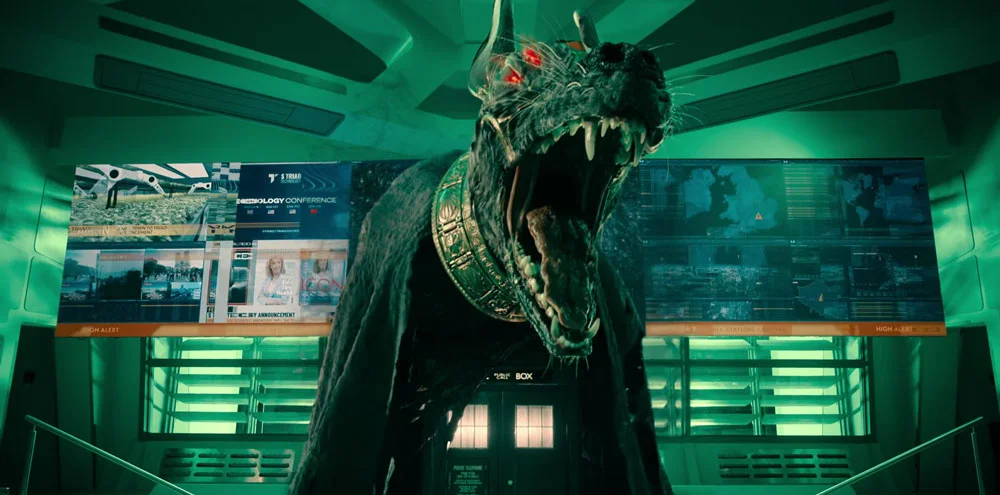
Welcome to the definitive guide on Sutekh, one of the most iconic and formidable villains in the Doctor Who universe. Sutekh, also known as Sutekh the Destroyer, has captivated audiences since his debut, leaving a lasting impression with his immense powers and dark legacy. In this guide, we’ll delve deep into the origins, abilities, and significant appearances of Sutekh, exploring why he remains a fan favourite and a cornerstone of Doctor Who lore.
Who is Sutekh?
Sutekh is not just any adversary; he is a being of immense power and malevolence rooted in ancient mythology. Drawing inspiration from the Egyptian god Set, Sutekh embodies chaos, destruction, and the ultimate force of evil. He is the last of the Osirans, a powerful alien race that once ruled Mars and was worshipped as gods by various Earth cultures.
Why Sutekh Matters
Sutekh’s introduction to Doctor Who brought a new level of depth and menace to the series. His character is not just a villain but a complex being with a rich backstory intertwined with ancient myth and science fiction. The stories involving Sutekh are some of the most memorable and impactful, showcasing the Doctor’s ingenuity and the high stakes of their battles.
Sutekh’s Origins and History in Doctor Who
Ancient Roots
Sutekh, also known as Set in Egyptian mythology, is a character deeply rooted in ancient lore. In the mythological context, Set is the god of chaos, storms, violence, and disorder. Doctor Who cleverly integrates these mythological elements into its sci-fi universe, creating a rich and compelling backstory for Sutekh.
The Osirans
Sutekh belongs to an ancient and powerful alien race called the Osirans. The Osirans were once the rulers of Mars and were so advanced and powerful that they were worshipped as gods by various civilizations on Earth, including the ancient Egyptians. The Osirans’ unique appearances and divine abilities influenced many Earth cultures to view them as deities.
Conflict and Imprisonment
His journey in the Doctor Who universe is marked by conflict and ambition. His insatiable desire for power and destruction set him against his own kind. His brother, Horus, along with other Osirans, recognised the threat Sutekh posed and took action to stop him. They managed to imprison Sutekh, binding him with powerful constraints to prevent him from unleashing his wrath upon the universe.
- Imprisonment: He was entombed and bound by his brother Horus and the other Osirans in a pyramid on Earth. His powers were suppressed by the Eye of Horus, a device located on Mars that beamed energy to keep him restrained.
Sutekh’s Appearances in Doctor Who
First Appearance: “Pyramids of Mars”
- Episode Title: “Pyramids of Mars“
- Season: 13, Episode 3
- Director: Paddy Russell
- Writers: Robert Holmes and Lewis Greifer
- Doctor: Fourth Doctor, Tom Baker
- Release Date: October 25, 1975
In “Pyramids of Mars,” the Third Doctor and his companion Sarah Jane Smith are drawn into a Gothic horror adventure. Sutekh, still imprisoned in a pyramid, exerts his influence over an archaeologist named Marcus Scarman. Sutekh’s mind control powers force Scarman to work towards freeing him. The Doctor and Sarah Jane must navigate deadly traps and Sutekh’s robot mummies to prevent the villain from escaping and wreaking havoc.
Sutekh’s Powers and Abilities
Sutekh is one of the most powerful beings in the Doctor Who universe, with a range of abilities that make him a formidable foe.
Telekinesis and Telepathy
- Telekinesis: Sutekh can move objects with his mind, often using this power to manipulate his environment and adversaries.
- Telepathy: He has the ability to read and control minds, making him a master of manipulation and deception.
Superhuman Strength and Durability
- Strength: Sutekh possesses physical strength far beyond human capabilities, allowing him to overpower most opponents with ease.
- Durability: His resilience is equally impressive, making him nearly invulnerable to conventional attacks.
Necromancy
- Control of the Dead: One of Sutekh’s most terrifying abilities is his power to reanimate and control the dead. He can create armies of undead servants to do his bidding.
Possession and Mind Control
- Possession: Sutekh can take control of living beings, using their bodies to carry out his plans.
- Mind Control: His telepathic powers allow him to dominate the wills of others, bending them to his purposes.
The Doctor’s Battle Against Sutekh
Strategic Battle
The Fourth Doctor’s confrontation with Sutekh in “Pyramids of Mars” is one of the most iconic battles in Doctor Who history. The Doctor had to use all his wit and resources to defeat such a powerful adversary.
Tricking Sutekh
- Manipulation: The Doctor cleverly manipulated Sutekh into using his powers, which gradually weakened the villain. This strategy required the Doctor to understand Sutekh’s psychology and anticipate his reactions.
Final Defeat
- Time Tunnel: The Doctor ultimately trapped Sutekh in a time tunnel. By moving the tunnel’s threshold to the far future, the Doctor ensured that Sutekh would age rapidly and eventually perish, effectively neutralising his threat.
Sutekh’s Impact on the Doctor Who Universe
Expansion of Lore
Sutekh’s introduction significantly expanded the Doctor Who lore. The concept of the Osirans added depth and complexity to the series’ mythology, providing a fascinating backstory that blends ancient myth with science fiction.
Character Development
Sutekh’s battles with the Doctor showcased the latter’s ingenuity and resourcefulness. The Doctor’s ability to outsmart such a powerful foe highlighted his intelligence and bravery, reinforcing his status as a timeless hero.
Influence on Future Villains
Sutekh set a high standard for future villains in Doctor Who. His god-like powers and complex motivations inspired the creation of subsequent antagonists who posed significant challenges to the Doctor.
Is Sutekh the Last of the Osirans?
Yes, Sutekh is believed to be the last surviving member of the Osiran race. The other Osirans, including his brother Horus, either died out or disappeared after imprisoning Sutekh for his evil actions. This status adds to Sutekh’s tragic and menacing aura, painting him as a remnant of a once-great civilization now lost to time.
Sutekh’s Legacy and Influence on Doctor Who Villains
Standard-Bearer
Sutekh established a benchmark for powerful, god-like villains in the series. His character combined intellect, power, and malevolence, creating a template for what a truly formidable antagonist should be.
Inspirational Role
Future villains in Doctor Who have drawn inspiration from Sutekh’s character. Elements of his malevolence, powers, and tragic backstory can be seen in subsequent antagonists, ensuring that his legacy endures within the series.
Exploring the Mythology and Symbolism Behind Sutekh
Mythological Basis
Sutekh is based on the Egyptian god Set, associated with chaos, storms, and violence. This mythological foundation adds depth to his character, linking him to real-world mythology and providing a rich narrative backdrop.
Symbolism
Sutekh’s character incorporates elements of ancient Egyptian mythology in a sci-fi context. His god-like attributes, combined with his malevolent intentions, create a powerful symbol of destruction and chaos, enriching the Doctor Who narrative.
Sutekh remains one of the most significant and intriguing villains in Doctor Who. His rich backstory, immense powers, and lasting impact on the series make him a character worth exploring. Dive into the episodes, novels, and audio dramas to fully appreciate Sutekh’s role in the Doctor Who universe.
Frequently Asked Questions
Is Sutekh the Beast?
No, Sutekh and the Beast are distinct characters in Doctor Who.
What is Sutekh the God Of?
Sutekh is based on the Egyptian god Set, associated with chaos, storms, and disorder.
What Are Sutekh’s Powers?
Telekinesis, telepathy, superhuman strength, durability, necromancy, and mind control.
Is Sutekh the Last of the Osirans?
Yes, he is believed to be the last surviving Osiran.
Has Sutekh Been in Doctor Who Before?
Yes, he first appeared in “Pyramids of Mars” in 1975 and has appeared in various other media since.

George Patient
George is the founder and editor of Merch Mates, writing about film, TV, gaming and the Disney parks.
You might also like
The Greek mythology behind Christopher Nolan’s The Odyssey, explained

Star Wars: The Mandalorian and Grogu review

Star Wars: Maul – Shadow Lord season 1 review

Project Hail Mary review — hopeful, inspiring and epic

Explained | Zootopia 2 Ending: What Comes Next?

The 15 Most Powerful Non-Force Users in Star Wars, Ranked
Who Are The Endless In ‘The Sandman’ Series? All 7 Siblings Explained